
Did Every Emperor Die Violently?
You picture a Roman emperor nervously watching his back—stabbed in the Senate, poisoned at dinner, assassinated in a bath. Like every ruler met a bloody end.
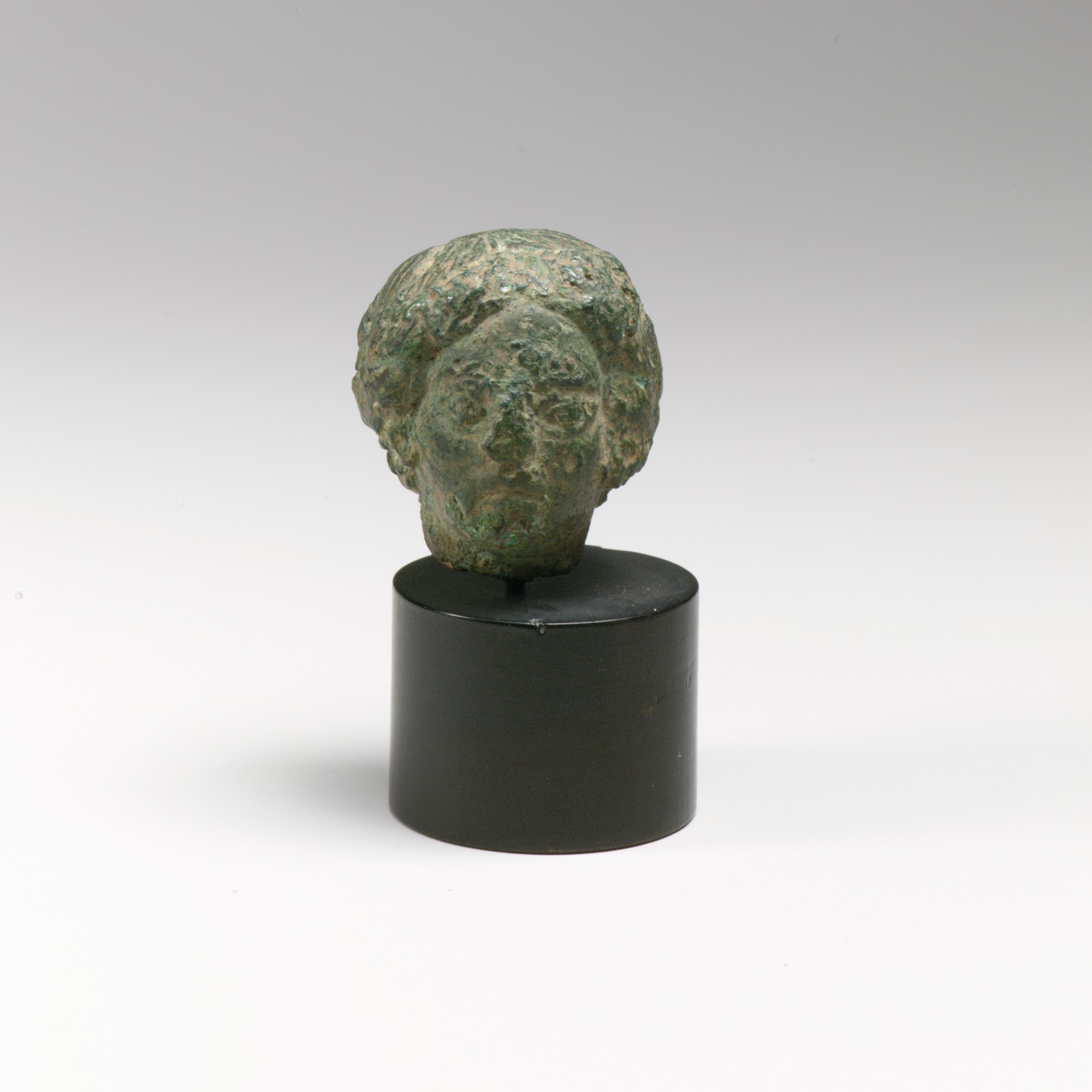
Unknown — "Bronze head of a youth" (ca. 200 BCE–200 CE), public domain
Assassination: The Roman Career Hazard?
Pop culture loves Roman bloodbaths. The tyrant stabbed by senators, rivals lacing a cup with poison, Praetorians turning on their master. From Julius Caesar to Caligula, it's the story that sticks: if you wear the purple, you die badly.
Most Emperors Died in Bed, Not on the Floor.
Of roughly 70 emperors in Rome's main line, the majority died of natural causes—some even abdicated. Augustus, the empire’s founder, died in his seventies. Antoninus Pius passed after a long illness. Quiet deaths, not daggers, were more common than the history books let on.
Why All the Assassination Stories?
Roman historians loved drama. Suetonius and Cassius Dio spin tales of murder and mayhem—it sold copies and made moral points. But dig into the numbers, and it’s the uneventful endings that really ruled the empire.
Most emperors actually died of natural causes—illness, old age, or even retirement. Murder made headlines, but it's the exception, not the rule.
