
Elevator Trapdoors in the Colosseum
Beneath the Colosseum floor, slaves worked in pitch darkness—hauling ropes, cranking winches, and waiting for the cue.
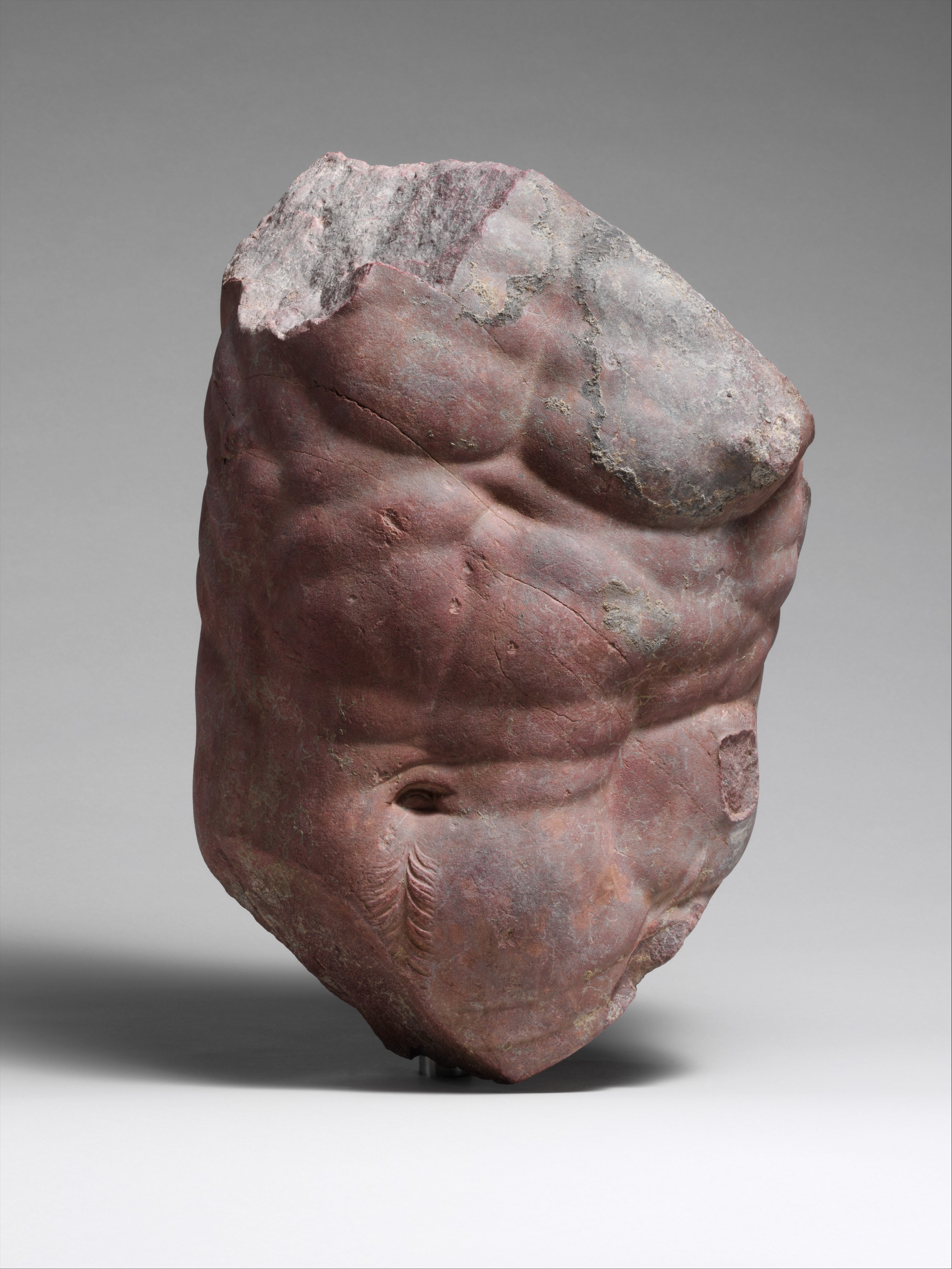
Unknown — "Rosso antico torso of a centaur" (1st–2nd century CE), public domain
Lions Appear—From Below
Beneath the Colosseum floor, slaves worked in pitch darkness—hauling ropes, cranking winches, and waiting for the cue.
Roman Stage Magic: Trapdoors and Elevators
Ancient engineers installed dozens of wooden elevators and trapdoors under the arena. With a single signal, wild animals or gladiators could rise into the sunlight—apparently from nowhere. The machinery left scratch marks deep in the stone and grooves worn where ropes creaked for decades.
Showtime Engineering
The effect was pure spectacle: a lion leaping from the ground, a bear bursting from a trapdoor, all on cue for a roaring crowd. Even today, you can see the scars of this ancient stagecraft cut into the stone foundations.
Ancient engineers installed dozens of wooden elevators and trapdoors under the arena. With a single signal, wild animals or gladiators could rise into the sunlight—apparently from nowhere. The machinery left scratch marks deep in the stone and grooves worn where ropes creaked for decades. The effect was pure spectacle: a lion leaping from the ground, a bear bursting from a trapdoor, all on cue for a roaring crowd.
