
Bronze Toothpicks and Scrapers: Dental Care in Pompeii
Walk the dusty ruins of Pompeii, and you’ll find bronze toothpicks glinting from kitchen drawers and bedroom floors.
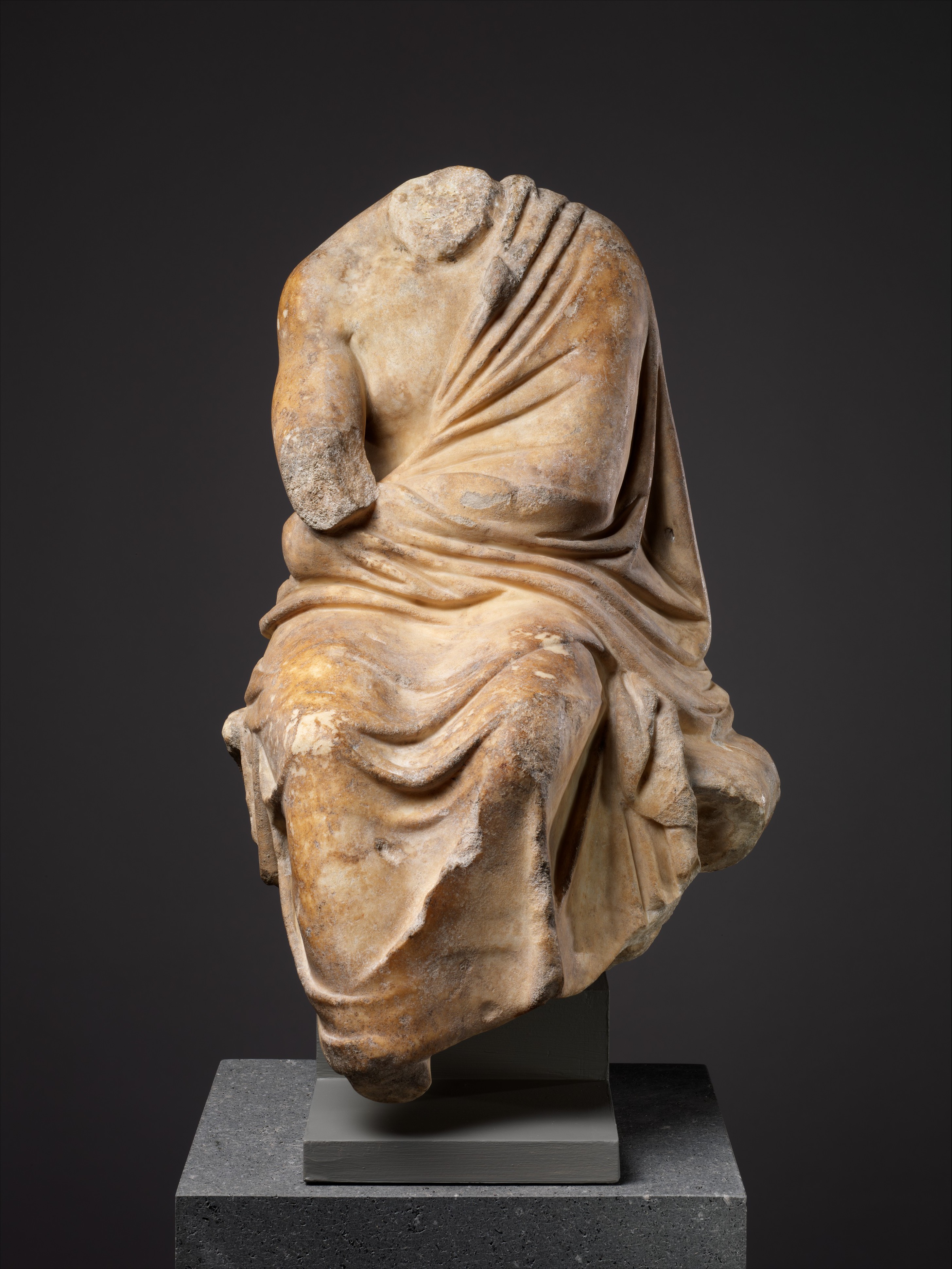
Unknown — "Marble statuette of a seated philosopher" (1st or 2nd century CE), public domain
Bronze Toothpicks Found in Roman Homes
Walk the dusty ruins of Pompeii, and you’ll find bronze toothpicks glinting from kitchen drawers and bedroom floors. These tiny tools turn up in bakeries, bedrooms, and even public baths—mixed right in with cooking spoons and jewelry.
Personal Grooming Was a Roman Ritual
Clean teeth mattered to Romans of all classes. Archaeologists have uncovered stacks of toothpicks, dental scrapers, and tweezers. Some were worn on necklaces, others tucked in a belt. Ancient hygiene was a hands-on business—no minty toothpaste required.
Romans obsessed over oral hygiene used special bronze tools—sometimes stored right next to their spoons and knives. Archaeologists keep digging up tiny toothpicks, tweezers, and dental scrapers, scattered inside homes, taverns, and even public latrines. Clean teeth weren’t just for the wealthy—ordinary Romans carried their toothpicks as personal items, hung from belts or worn as jewelry.
