
Roman Dentists Used Drills and Fillings
Archaeologists have found Roman teeth with holes bored deep into the molars—then plugged with metal.
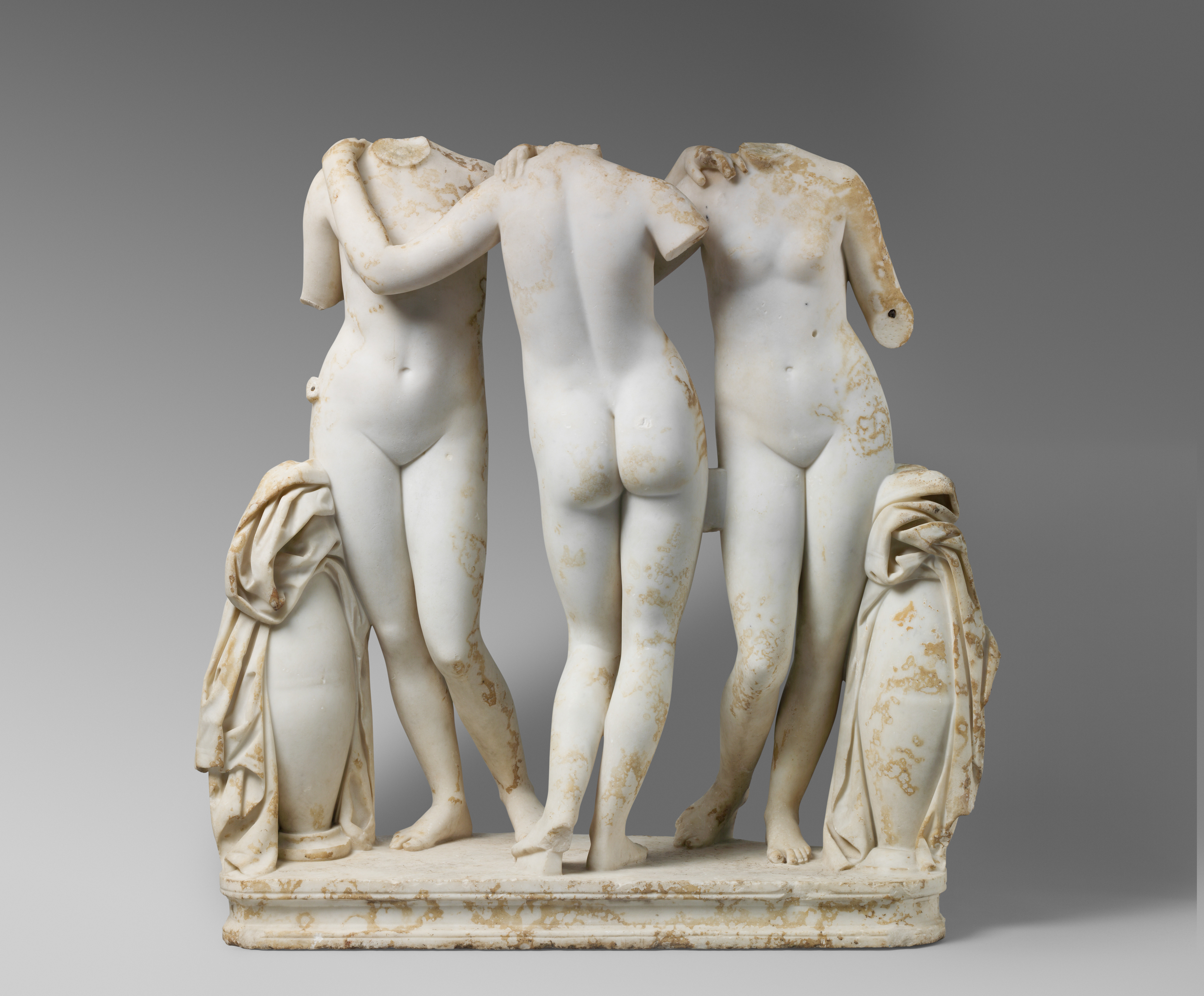
Unknown — "Marble Statue Group of the Three Graces" (2nd century CE), public domain
Drilled Teeth Found in Ruins
In the buried towns of Pompeii and Herculaneum, archaeologists have uncovered skeletons with teeth drilled deep through the enamel. Some of these ancient cavities are plugged with strips of gold or bits of tin. Roman dentists weren’t just pulling teeth—they were trying to save them.
Painful Proof of Ancient Dentistry
Dental texts survive from the Roman world, but these skeletons turn the theory into fact. Tools for cutting, scraping, and even tiny dental drills have been found in Roman doctor's kits. No anesthesia, no gentle bedside manner—just grit and raw nerve.
Dental pain wasn’t just shrugged off in ancient Rome. Archaeological evidence from sites like Herculaneum and Pompeii shows teeth drilled with astonishing precision, sometimes packed with gold wire or tin as an early kind of filling. These weren’t common, but they show some Romans endured a dentist’s drill centuries before the electric chair—not always out of fashion, but out of necessity.
