
Chariot Racing: Not Always Four Horses
You picture Roman chariot races: thundering teams of four horses, drivers standing tall, sand flying. Every film makes it a quadriga. But the track told a messier story.
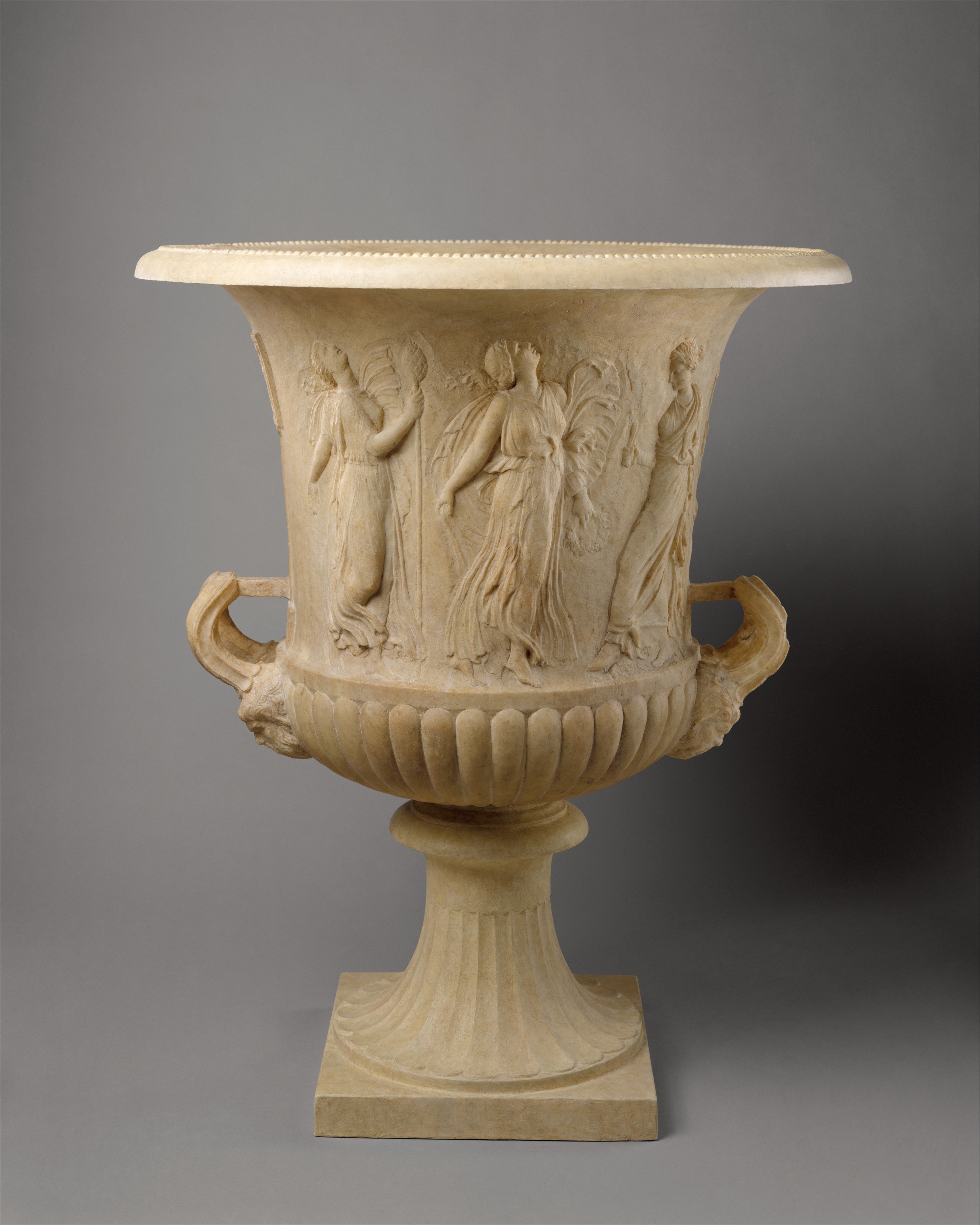
Unknown — "Marble calyx-krater with reliefs of maidens and dancing maenads" (1st century CE), public domain
Four horses, always? Not so fast.
Every movie sets the scene: the arena, the roar, the quadriga—four horses pulling a driver around the Circus Maximus. It’s a visual shortcut for Roman adrenaline. But ancient sources describe much wilder races.
Chaos at the Circus Maximus.
Romans ran chariots with two, three, four, even up to ten horses in a team. Ovid describes wild contests with a tangle of reins, and mosaics show everything from nimble bigae to monstrous decem-juga, ten horse teams careening down the track. For Romans, variety was half the thrill.
Why the myth stuck.
The four-horse image comes from imperial victory art—triumphal quadriga statues, coins, and later neoclassical paintings. But the races themselves were far less predictable, and way more chaotic than any Hollywood set piece.
Roman chariot races featured everything from two-horse teams (biga) to ten-horse monsters. The real spectacle was variety and chaos, not a four-horse formula.
