
Roman Cosmetics: Beauty Comes With Poison
Cosmetic face powder in Rome sometimes contained deadly lead.
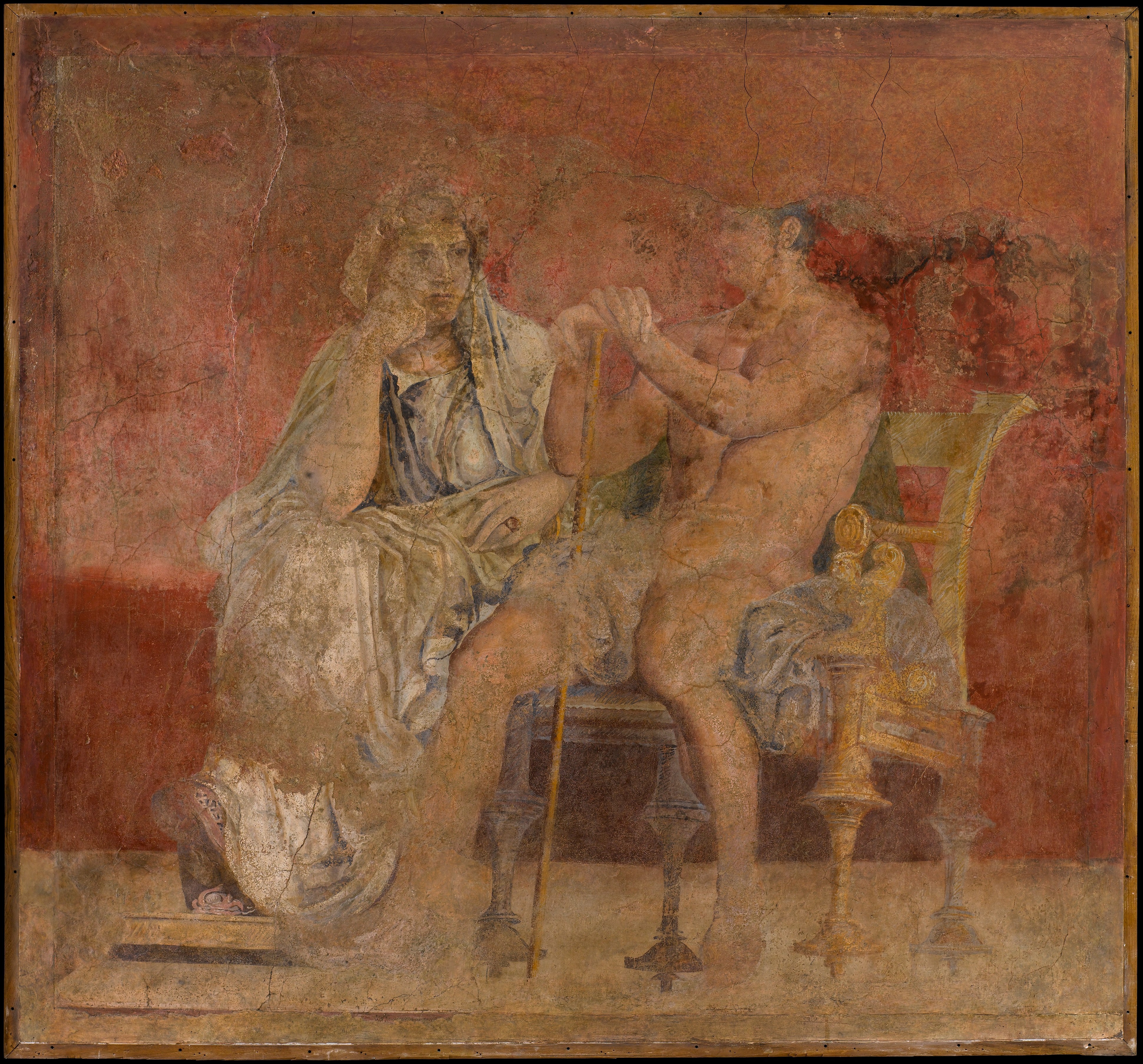
Unknown — "Wall painting from Room H of the Villa of P. Fannius Synistor at Boscoreale" (ca. 50–40 BCE), public domain
Powdered Peril: Fashion With a Price
Elite Roman women prized pale complexions. Their secret weapon? Face powders made with white lead, a substance now known to be poisonous. Lead-based recipes appear in both archaeological finds and in Roman writers' lists of beauty secrets.
Warnings Ignored—For the Sake of Style
Pliny the Elder cautioned that white lead was harmful, but beauty manuals and cosmetic sellers kept pushing the product. Scientists have recovered ancient makeup containers still caked with lead residue, showing that this toxic trend wasn’t just a rumor—it was a real, everyday risk.
To achieve a fashionable pale look, Roman women often dusted their faces with powders made from white lead. Archaeological analyses of cosmetic containers show high levels of lead residues. Though ancient writers like Pliny the Elder warned about its dangers, the pursuit of beauty trumped concerns for health—a risk literally worn on the skin.
