
Roman Baths and Cleanliness
You picture Roman baths as giant hot tubs, teeming with unwashed bodies and filthy water—ancient germ soup. The myth sticks: Romans bathed in grime.
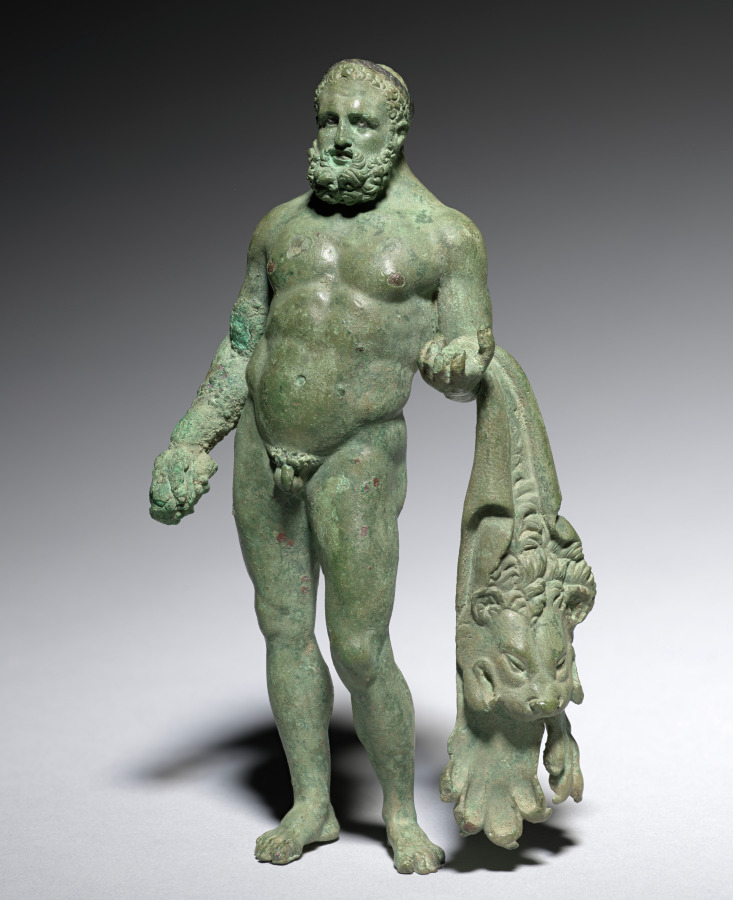
Unknown — "Hercules" (c. 30 BCE–20 CE), CC0
Romans bathed in filthy water?
Every movie shows marble pools swirling with bodies—cloudy water, sweat, and who-knows-what else. The myth: Roman baths were a daily dip in shared dirt. Even textbooks repeat it—imagine the germs!
Baths were cleaned daily.
In reality, Roman baths used a constant flow of fresh water, often drawn from aqueducts straight into the pools. Attendants drained and scrubbed the basins every night. Some large complexes even had early forms of drains and filters—trickling out the grime, leaving behind surprisingly clear water.
Why do we picture bathhouse grime?
Medieval writers looking back blamed the baths for all Rome’s diseases—sin and filth in one steamy package. Victorian artists then painted the baths as hotbeds of vice and illness, cementing the myth for the next hundred years.
Roman baths cycled and filtered water constantly, and attendants scrubbed the pools every day. Far from filthy, public baths were a marvel of hygiene for their time—cleaner than many medieval or even 19th-century spas.
