
Roman Barber Shops and Shared Lice Combs
Walk into a Roman barber shop and take a seat. The next thing handed to you is a bronze lice comb—fresh from the last customer’s hair.
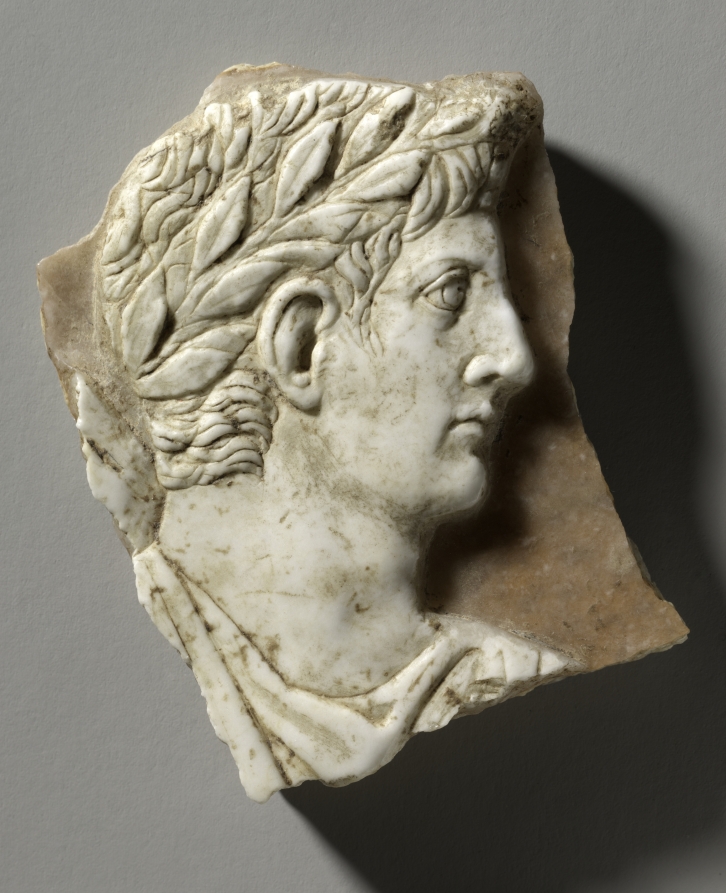
Unknown — "Cameo: Julio-Claudian Imperial Portrait" (30 BCE–54 CE), CC0
Lice Combs for Everyone
Walk into a Roman barber shop and take a seat. The next thing handed to you is a bronze lice comb—fresh from the last customer’s hair.
The Tonstrina—Rome’s Lice Battleground
Barber shops (tonstrinae) were the beating heart of Roman street life. Archaeologists have found dozens of bronze combs and razors, sometimes still crusted with lice eggs. In crowded cities, lice flourished, and barbers did brisk business removing them—combs were communal, one after another. No sanitizer, no replacements. Just the same comb, scraping hundreds of scalps.
Barber shops (tonstrinae) were the beating heart of Roman street life. Archaeologists have found dozens of bronze combs and razors, sometimes still crusted with lice eggs. In crowded cities, lice flourished, and barbers did brisk business removing them—combs were communal, one after another. No sanitizer, no replacements. Just the same comb, scraping hundreds of scalps.
