
Did Romans Really Feast on Peacock Tongues?
You picture a Roman feast: senators gorging on peacock tongues, dormice stuffed with nuts, and dishes so bizarre they'd stun a modern chef.
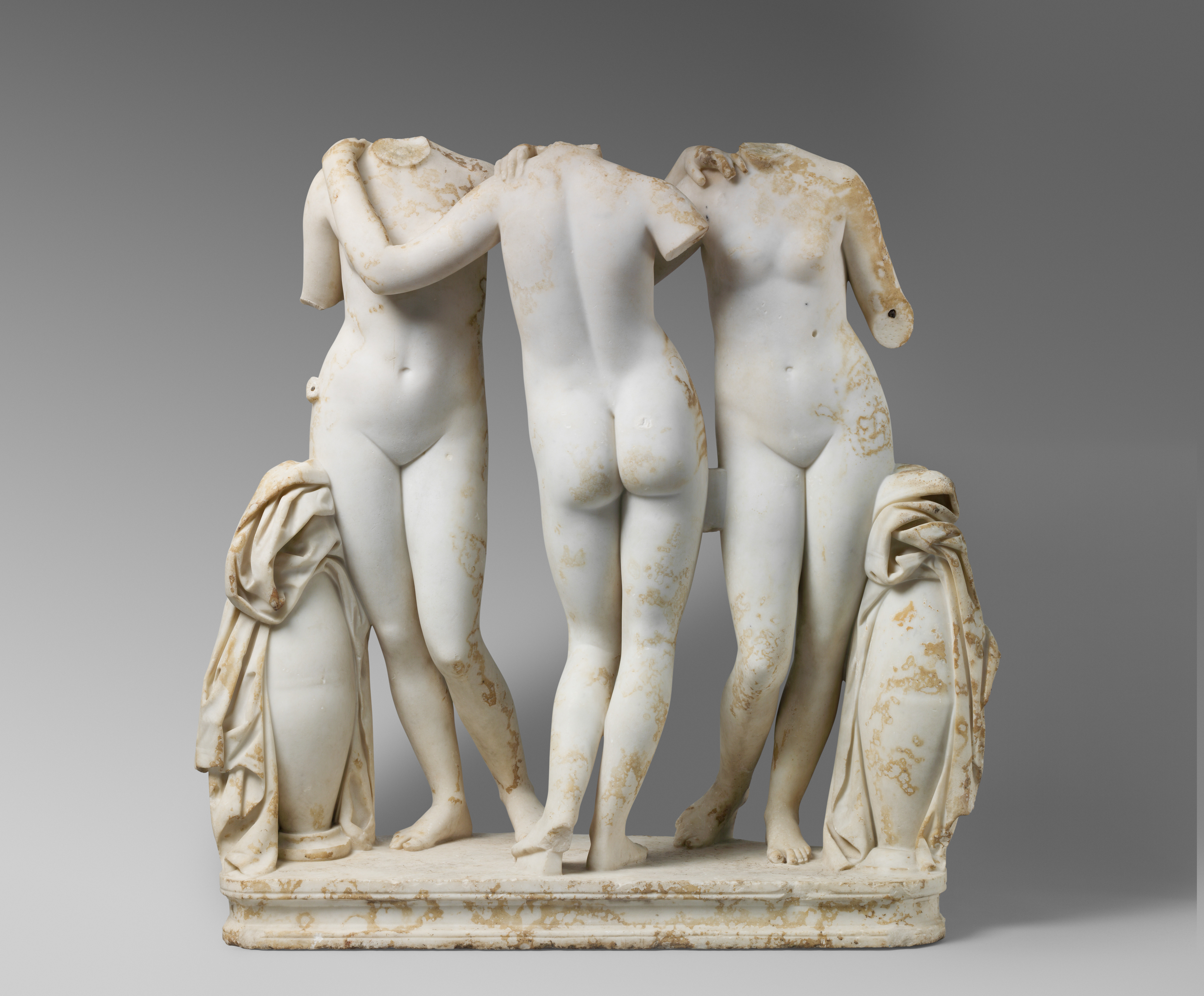
Unknown — "Marble Statue Group of the Three Graces" (2nd century CE), public domain
The myth of grotesque Roman dinners.
We’ve all seen it: Roman senators reclining, gobbling bizarre delicacies—peacock tongues, flamingo brains, even a mouse or two. It’s the go-to image for Imperial excess: every feast a culinary freak show.
The truth: Luxury on a silver platter.
Surviving sources—like Petronius’ Satyricon and Pliny the Elder—mention outlandish dishes, but these were rare, headline-grabbing stunts for the super-rich. Most Romans ate simple grains, vegetables, cheese, or pork. Peacock tongues? More for shock value and social boasting than actual dining.
Why do we picture Roman food this way?
Later writers loved to mock Rome’s decay, describing the wildest banquets to show moral decline. Hollywood ran with it. But for most Romans, 'luxury' meant fresh bread, a little wine, and maybe a sauce from fish guts.
While some Roman elites boasted about rare foods, dishes like 'peacock tongues' were extreme luxuries, not everyday fare—often more status symbol than supper.
