
Bakery Slaves Were Branded Like Livestock
A loaf of bread, still blackened from Vesuvius, bears a stamp—right beside the mark scorched into a man’s forehead.
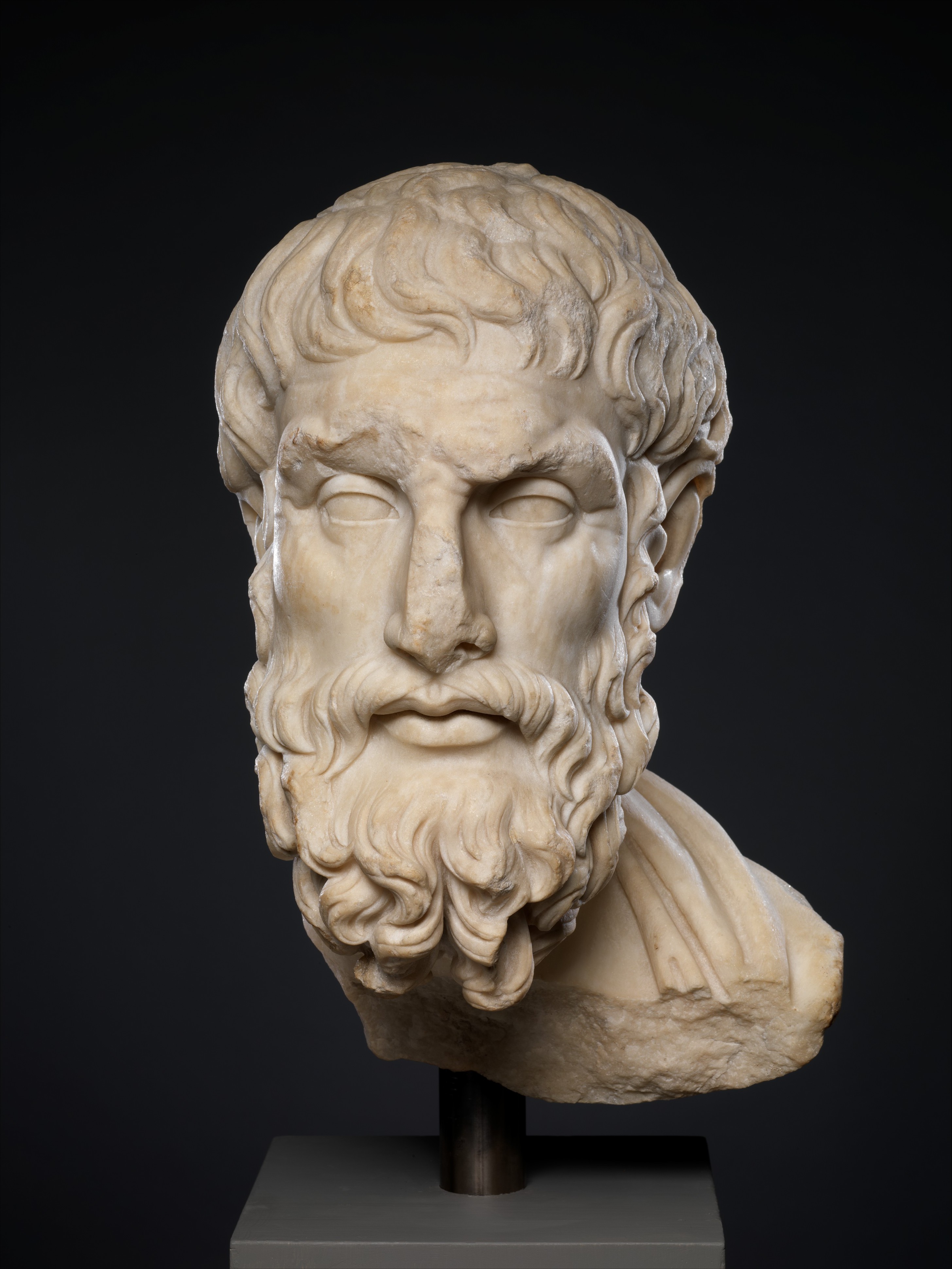
Unknown — "Marble head of Epikouros" (2nd century CE), public domain
Branded for Bread
In a ruined bakery in Pompeii, a carbonized loaf of bread still holds the bakery stamp—proving its origin. Roman law let bakers stamp not just bread, but also their slaves, sometimes right on the forehead.
Property, Marked for Life
The branding iron left a raised scar: the owner’s initials, the bakery’s symbol, or even a warning not to steal. Graffiti and legal texts confirm it happened in bakeries and other trades—turning people into living property.
In ancient Rome, bakery slaves could be branded with their owner’s mark—sometimes right on the face—so there’d be no doubt who they belonged to, even if they ran. Archaeologists have found molds, stamps, and even graffiti describing this practice at Pompeii and Herculaneum.
