
Roman Legionaries: Not a Marching Machine
Picture Roman soldiers moving in mechanical lockstep, boots pounding in perfect unison. The myth: the Roman army invented and drilled rigid, parade-ground marching.
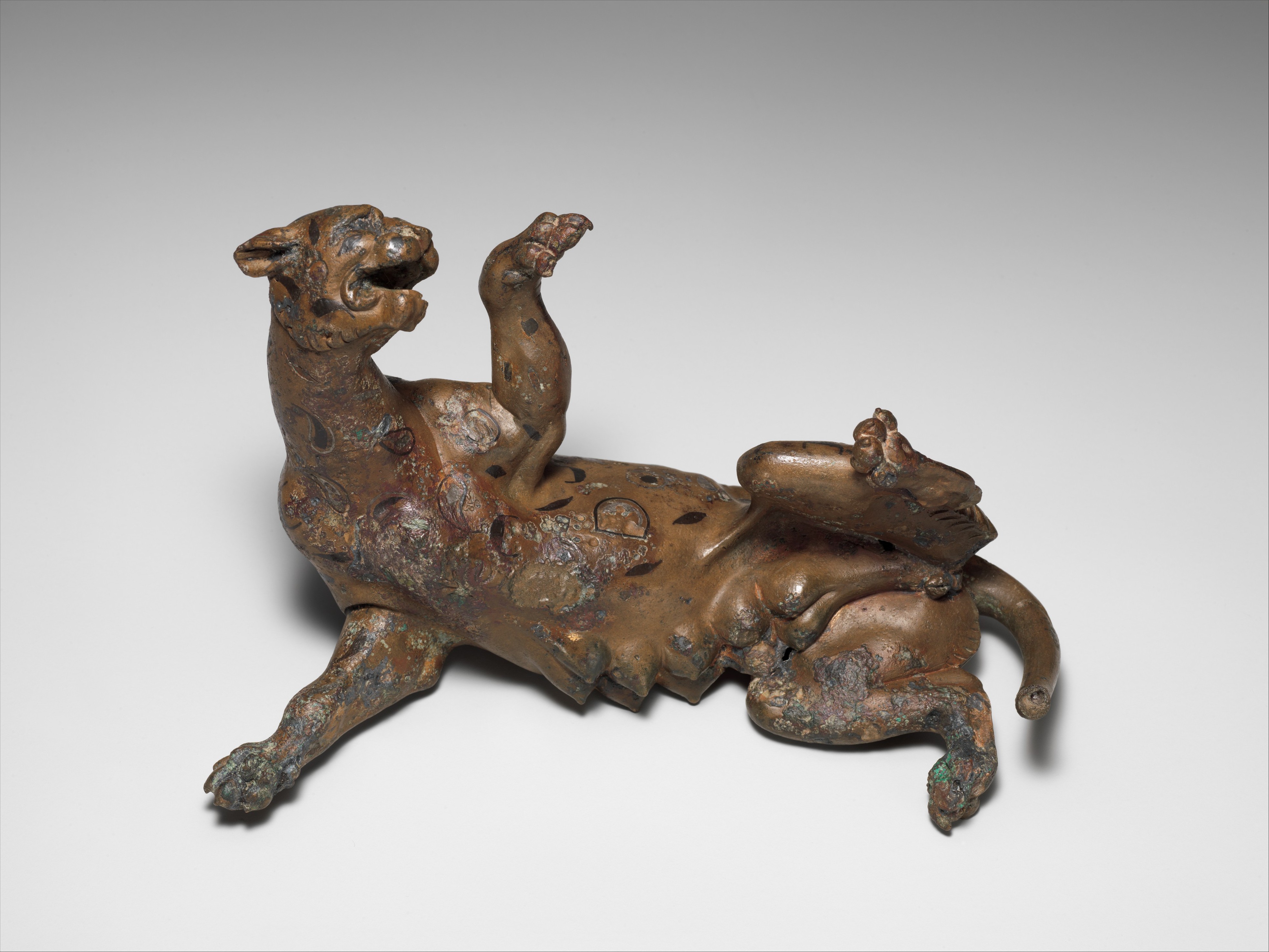
Unknown — "Bronze statuette of a pantheress" (1st–2nd century CE), public domain
Myth: Precision marching lines
Every movie marches Roman legionnaires across Europe, column after column, every boot hitting the dirt in unison. It’s the image of ancient efficiency—an iron machine built for conquest. You can almost hear the drumbeat.
Flexible, not mechanical
Ancient sources never mention Romans ‘marching in step.’ Polybius and Vegetius describe order and discipline, but there’s nothing about strict, synchronized footwork. The lockstep march only appears in European armies around the 17th century. Romans moved fast and in order—but not like Napoleonic soldiers.
A myth with shiny boots
The lockstep image exploded in 19th-century art and military manuals—Victorian painters loved depicting Roman legions as mirror images of their own regiments. It stuck, even though no Roman foot ever drilled to a drummer’s beat.
No ancient writer describes Romans marching in lockstep. The precision march was a modern military invention—ancient armies needed flexibility, not a dance routine.
