
Ancient Greek Pregnancy Tests
Athenian women once peed on barley and wheat to guess if they were pregnant.
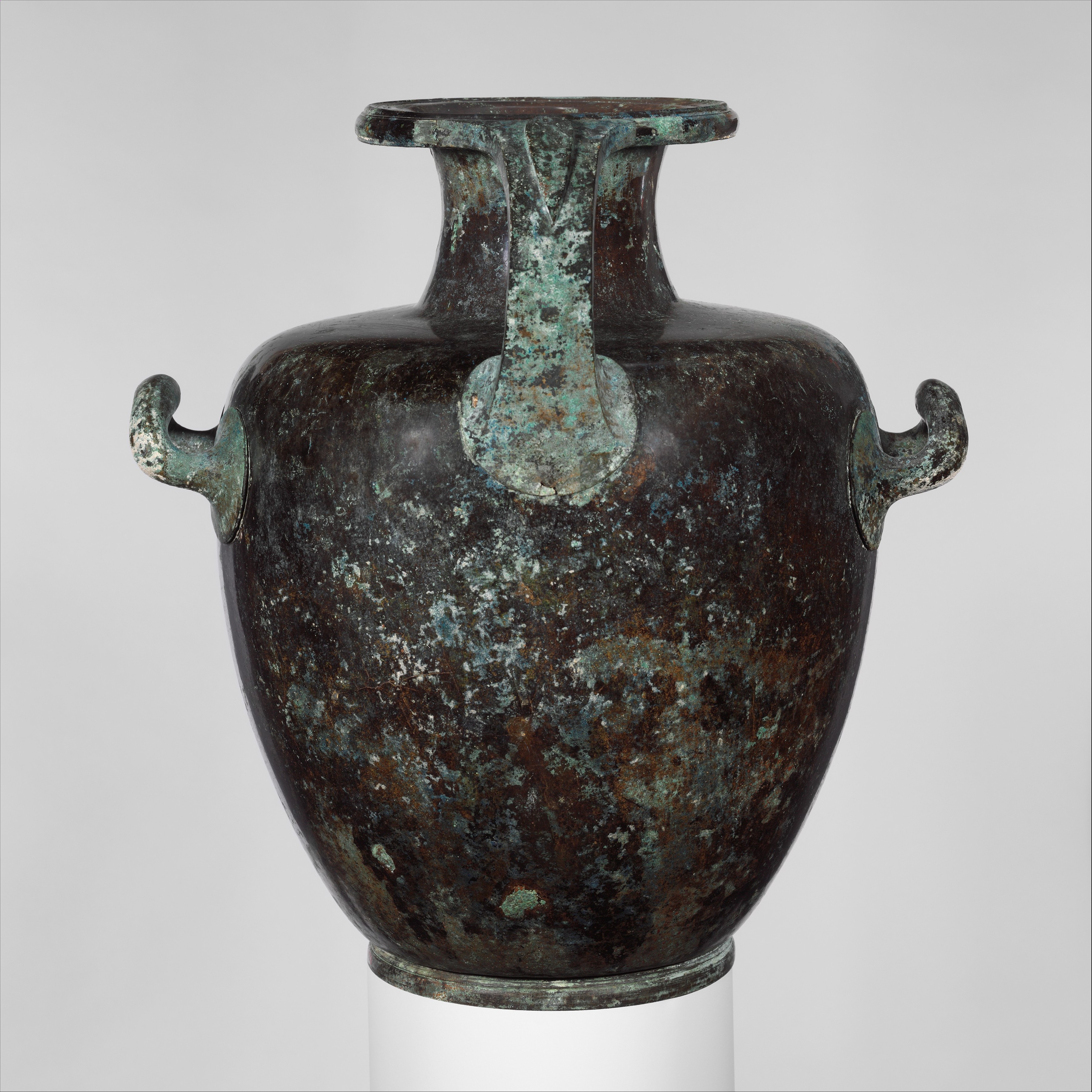
Unknown — "Bronze hydria (water jar)" (5th century BCE), public domain
Pregnancy Test, Ancient Greek Style
Athenian women in the fifth century BCE sometimes relied on a home pregnancy test: they urinated on barley and wheat seeds in a pot. The ancient logic? If the seeds sprouted quickly, pregnancy was confirmed.
Barley for Boys, Wheat for Girls
According to Hippocratic medical texts, if barley sprouted first, a boy was expected. If wheat, a girl. If nothing grew, no pregnancy. Modern science confirms pregnant urine can hasten seed germination—no guarantee on gender, but a hint: even in ancient Greece, people were looking for answers close to home.
If the barley sprouted first, legend said it would be a boy. Wheat meant girl. If neither grain grew, they'd brace for disappointment: no baby this time, or so the test claimed. Modern science backs up the basics—urine from pregnant women does speed up seed sprouting, thanks to hormones—though there’s no guarantee of gender.
