
Regulus and the Oath That Killed Him
He returns home, gaunt and sunburned from a Carthaginian prison. But instead of hugging his family, Marcus Atilius Regulus tells the Senate he must go back — to torture and death.
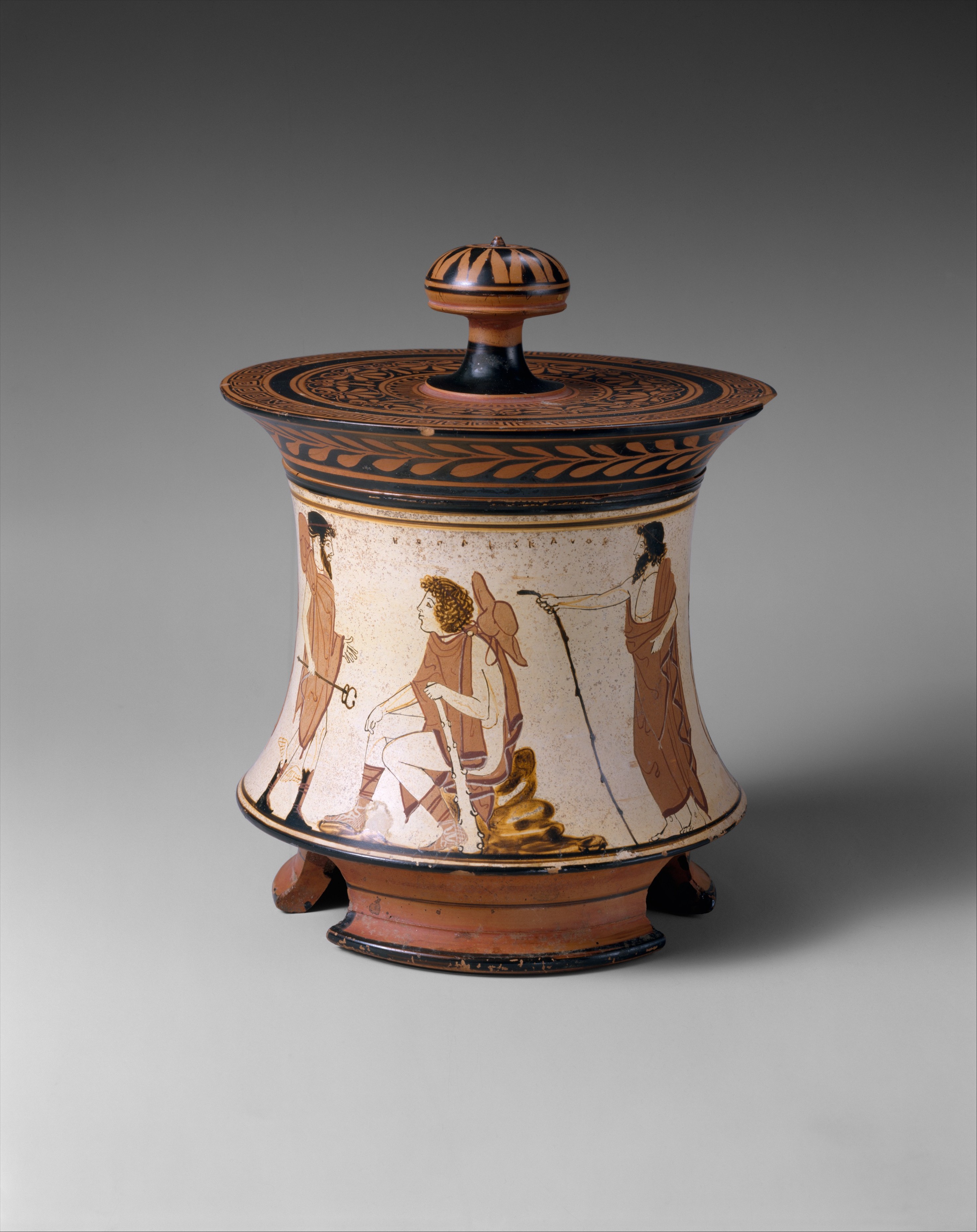
Penthesilea Painter — "Terracotta pyxis (box)" (ca. 465–460 BCE), public domain
An Oath Stronger Than Family
After years as a prisoner, Regulus steps into Rome and asks for only one thing: to return to captivity, because he promised the enemy. His wife begs him to stay. The Senate falls silent. He leaves, a free man choosing his own chains.
When Honor Hurts More Than War
The story froze Rome. To break an oath was unthinkable, even if it meant death. Regulus’ decision split the Senate: duty to Rome, or mercy to a man? Ancient writers replayed the moment for centuries, unsure whether it was heroism or madness.
Memory That Shamed a Republic
Regulus’s bones never came home. But his ghost haunted Roman politics, dragged out whenever senators wanted to prove loyalty meant everything — even when it meant dying for the enemy’s victory.
Regulus may have been stubborn or delusional — but for one moment, he forced Rome to choose between mercy and honor, and they let him walk out the door.
