
Hippocrates: Refusing to Blame the Gods
Hippocrates walks into a plague-ridden house and tells the family: stop praying, start boiling the water.
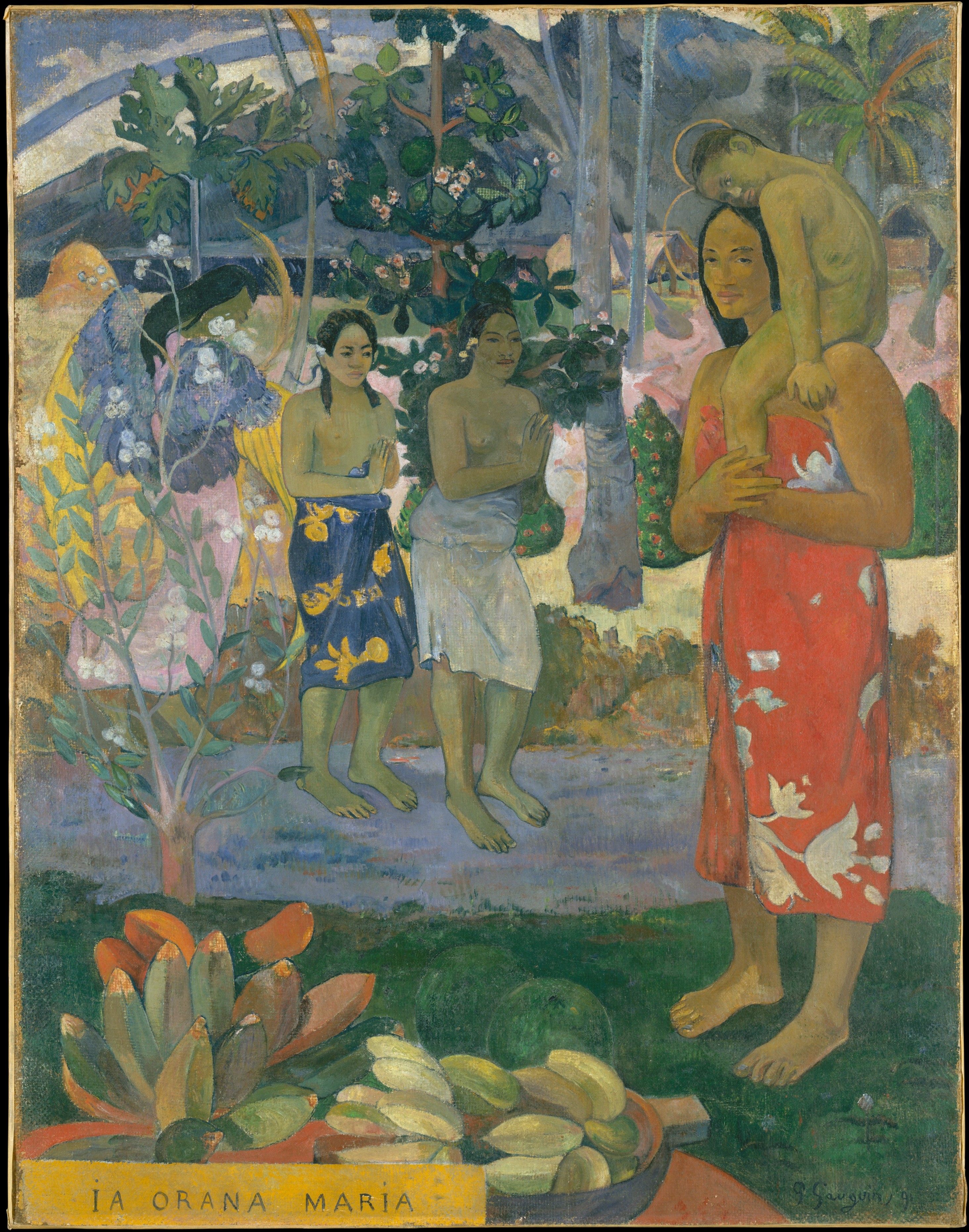
Paul Gauguin — "Ia Orana Maria (Hail Mary)" (1891), public domain
No More Miracles, Just Methods
Hippocrates walks into a feverish household, quietly observing. He tells the family to air the room, heat the bath, and hide the amulets. Sickness, he insists, does not come from the gods’ anger—it is a thing of the body, and bodies can be studied.
A World Built on Ritual, Not Reason
In ancient Greece, most believed disease was a message from Olympus—cures were sacrifices, not science. Hippocrates wrote detailed case notes, tracked symptoms, and taught his students to look for patterns instead of omens. He took healing off the altar and set it on a table.
Legacy: The First Patient Chart
When you see a doctor take notes or check your chart, thank Hippocrates. He gave medicine the world's first systematic approach—one that asked questions instead of offering prayers.
He changed medicine forever by insisting illness had natural causes, not divine punishment.
