
Plautus, Comedy From the Breadline
The most popular playwright in Rome once worked backstage—literally grinding flour to survive between scenes.
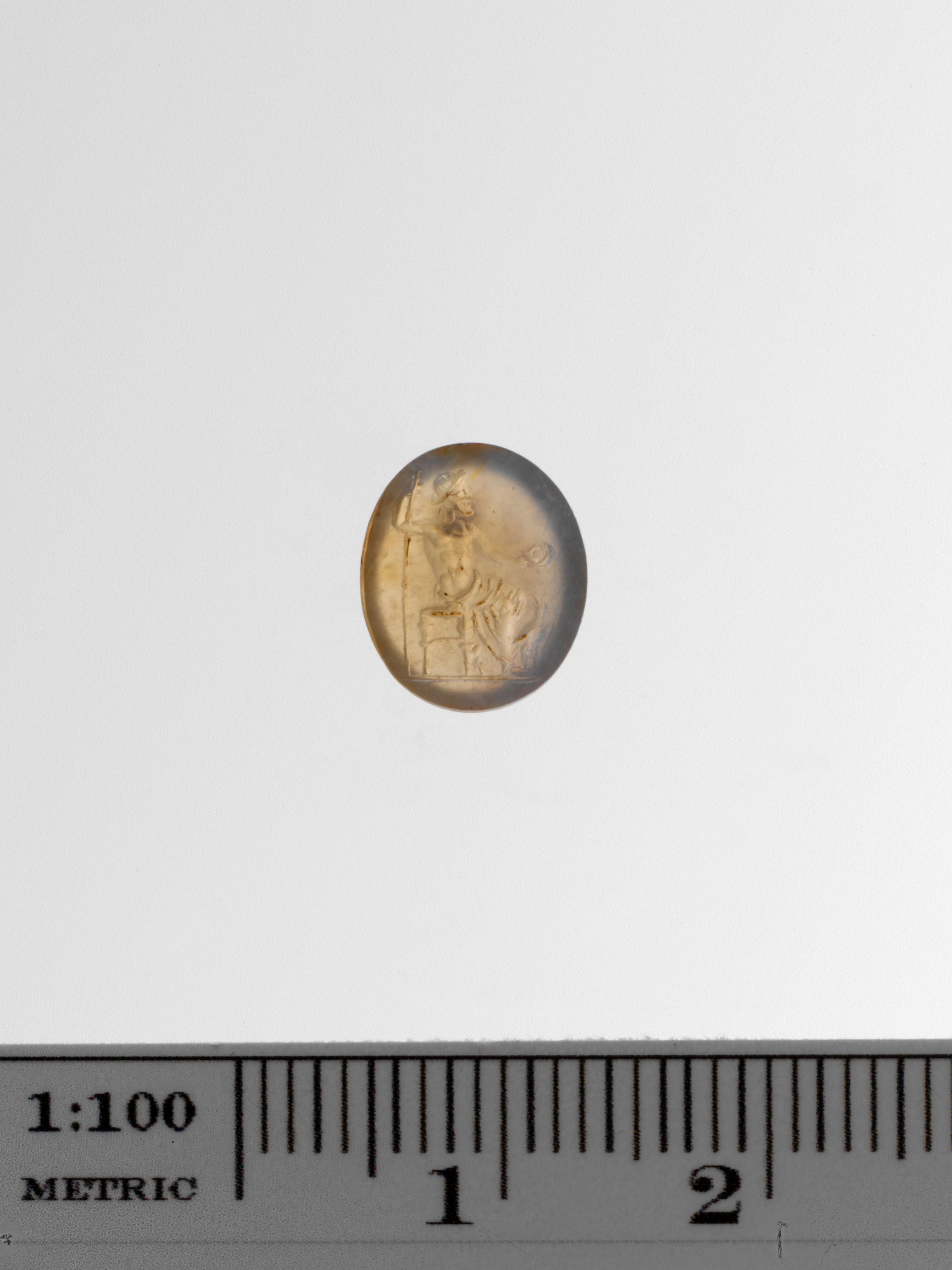
Unknown — "Chalcedony ring stone" (1st century BCE–3rd century CE), public domain
Laughter Forged in Poverty
The most popular playwright in Rome once worked backstage—literally grinding flour to survive between scenes.
Comedy for the Hungry
Plautus lost his savings as a young man and took a job turning a millstone. His plays sparkle with hungry servants and scheming slaves—bits of everyday desperation, tuned to make Rome’s crowds howl. For Plautus, laughter was both shield and weapon.
From Millstone to Spotlight
Plautus’s comedies aren’t just jokes—they’re warnings and sly nods to anyone living on the edge. He never stopped writing for the people who knew what an empty purse felt like.
Before Plautus filled theaters with laughter, he lost all his savings and took a job at a mill. His comedies, packed with hungry servants and trickster slaves, hint at how poverty shaped his wit. Every Roman could see themselves in Plautus’s desperate, side-eyed humor: too clever to starve, too poor to rest.
