
Plato Was Not an Atheist
Plato wasn’t a secret atheist trying to banish the gods. He wrote about the divine more than Homer.
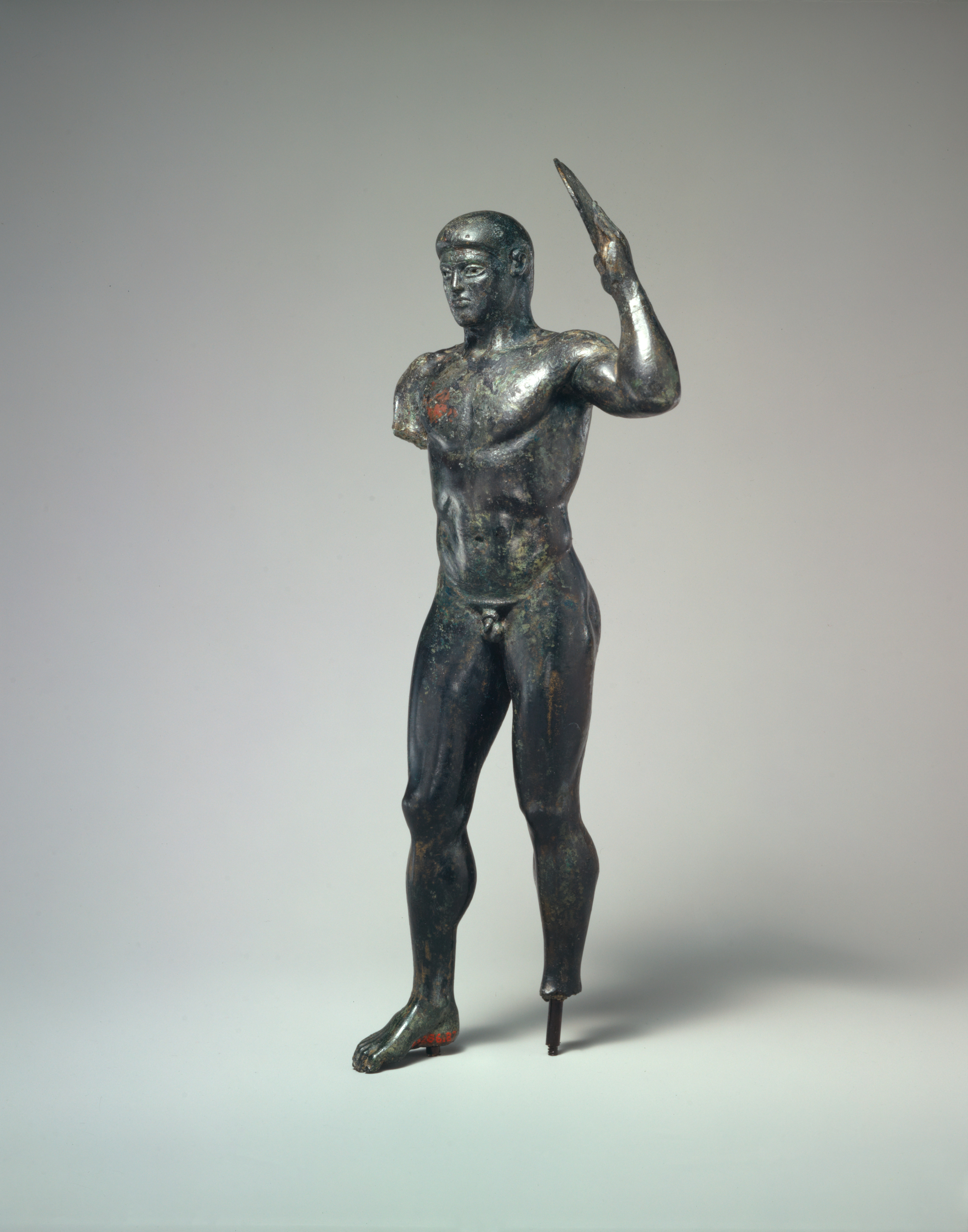
Unknown — "Bronze diskos thrower" (ca. 480–460 BCE), public domain
Was Plato out to kill the gods?
You might picture Plato as a pure philosopher, railing against religion and secretly plotting to erase the Greek gods. His 'banishment of poets' gets twisted into a banishment of all belief.
Philosophy remixed religion.
In his dialogues, Plato argues for a higher order of divinity—less capricious, more just. He doesn’t erase the gods; he debates what they should be like. His Athens was buzzing with new ideas, and he helped steer the conversation.
How did the myth start?
Later Christian writers and some modern atheists loved the image of Plato as a rebel against religion. But the texts themselves show a thinker deeply interested in divinity—just not the old stories.
Plato’s dialogues wrestle with the nature of the gods, the soul, and cosmic order. He criticizes superstition and the old myths, but he never denies the divine. In many ways, he helped reshape how Greeks imagined their gods.
