
Phrynichus: The Playwright Banned for Truth
The audience in Athens bursts into tears. The city fines the playwright for showing them too much pain.
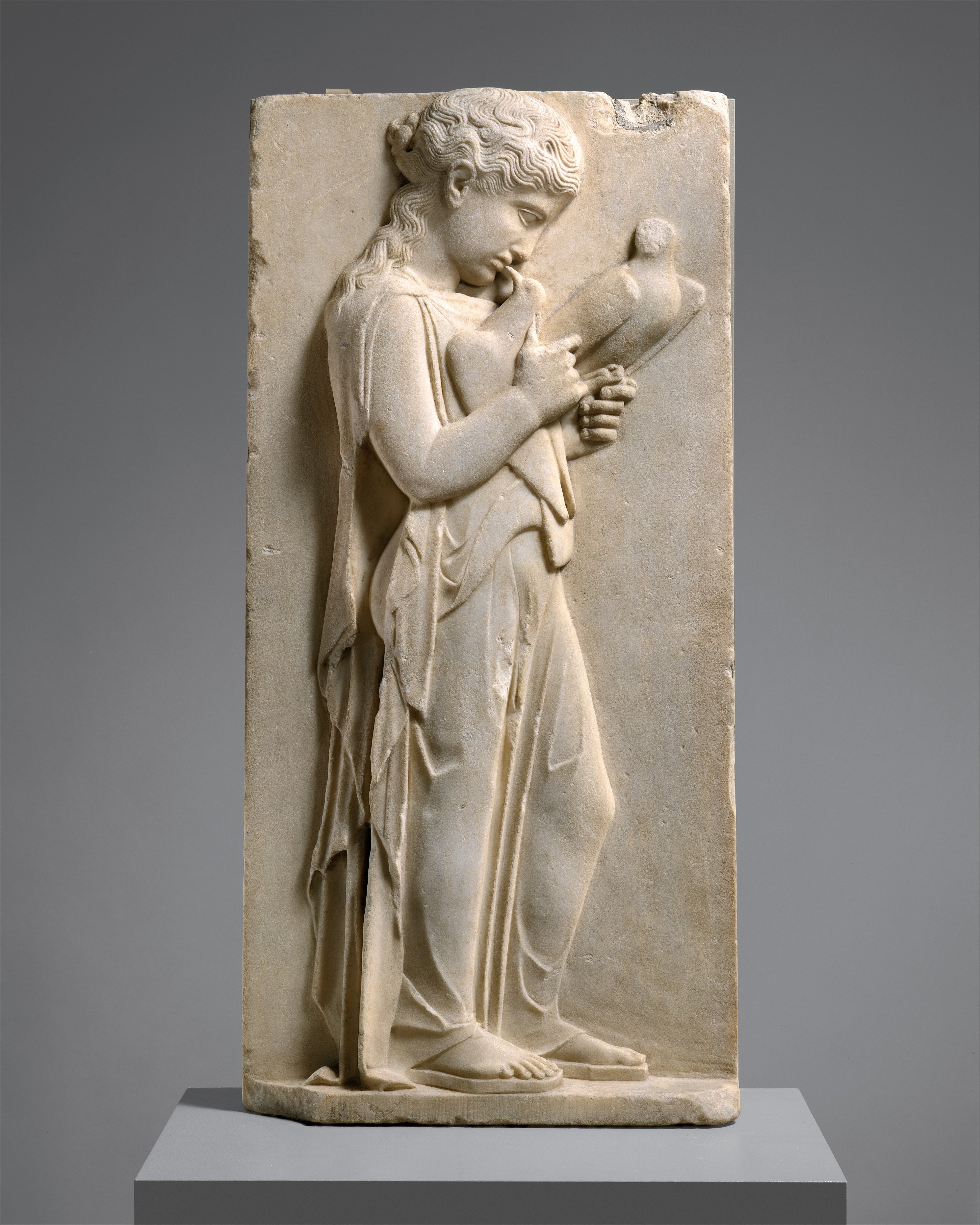
Unknown — "Marble grave stele of a little girl" (ca. 450–440 BCE), public domain
Too Much Truth on Stage
Phrynichus stages 'The Capture of Miletus.' Athenians watch actors wail for their lost brothers, their ruined city. The wounds from the Persian conquest are still raw—and by the final chorus, the audience is sobbing aloud.
Fined for Honesty
The city reacts not with applause, but rage and grief. The festival judges hit Phrynichus with a heavy fine and ban the play from ever being performed again. Tragedy, it turns out, has limits—even in a democracy famed for debate.
Art as a Battlefield
Phrynichus' script is lost, but his impact remains. He crossed the line between entertainment and trauma, forcing Athenians to confront the cost of war. Sometimes, a play can hurt worse than a spear.
His play was too real—the first known case of art being censored not for lies, but for honesty.
