
Death by Hemlock, Not by Rocks
No, Socrates was NOT stoned to death in Athens. His end was quieter—and far more unsettling.
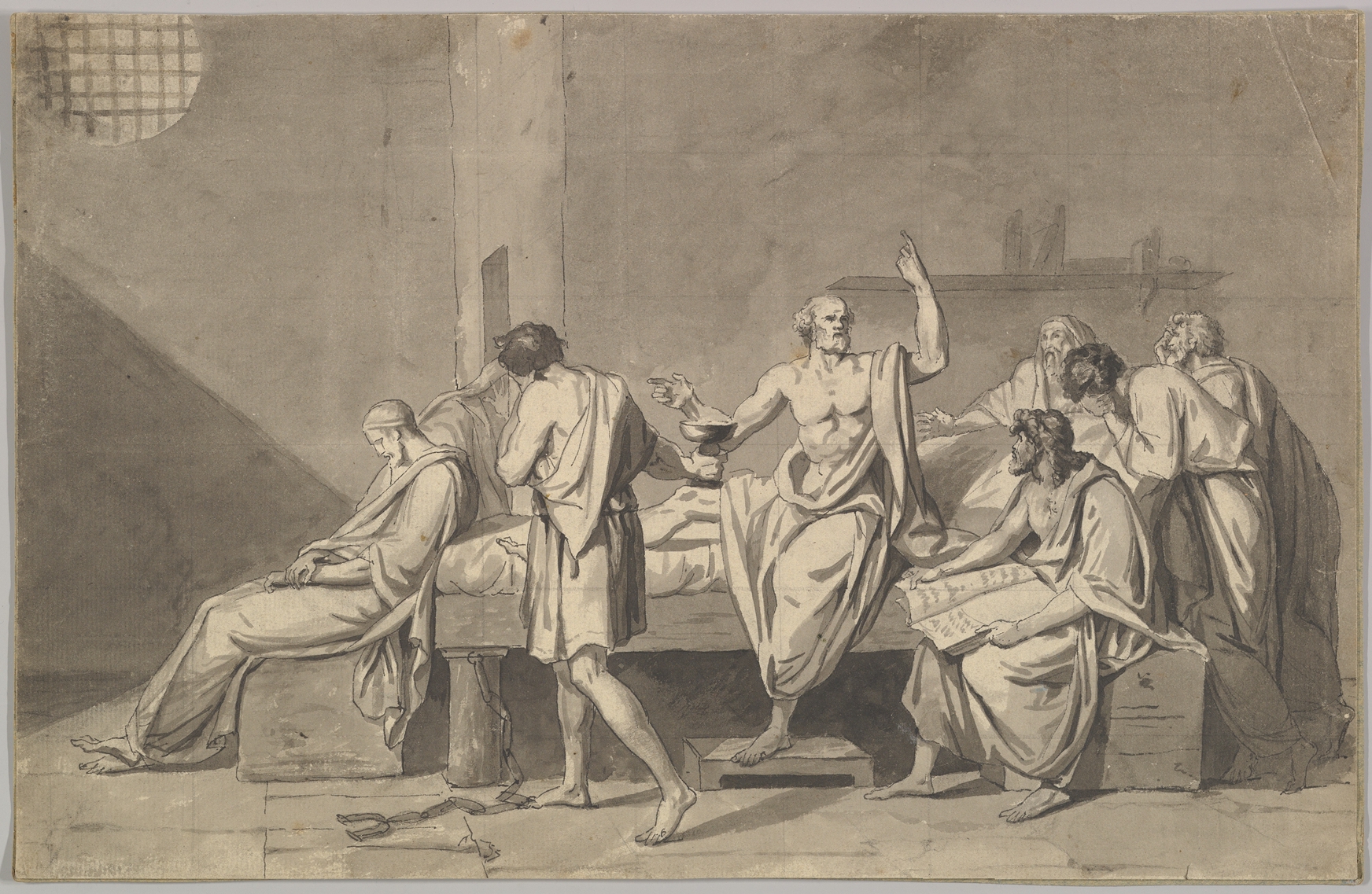
Jacques Louis David — "The Death of Socrates" (ca. 1782), public domain
Stoned for his ideas?
You might picture angry Athenians pelting Socrates with rocks, philosopher silenced by mob justice. Schoolyard rumors and old books like to paint Athens as a place where thinkers risked a stony end for saying the wrong thing.
A cup, not a crowd, killed Socrates.
In reality, Socrates was executed by legal decree—ordered to drink a cup of hemlock in a quiet jail cell. Plato describes his calm final moments, surrounded by friends, discussing the soul. It was a chilling ritual, not a public stoning.
Why do we get this wrong?
The image of 'stoning the radical' is biblical, not Athenian. Ancient Athens reserved stoning for rare mob violence, not for courtroom sentences. The drama of the idea stuck, while the bitter taste of poison—documented by eyewitnesses—got sidelined.
Socrates was legally executed with a cup of hemlock, not a mob's stones. The truth of his trial and death is more chilling than the myth.
