
Phaedo, The Freedman Who Became a Philosopher
A former slave sits at Socrates’ feet, recording his final words—the only eyewitness who will shape how the world remembers that death.
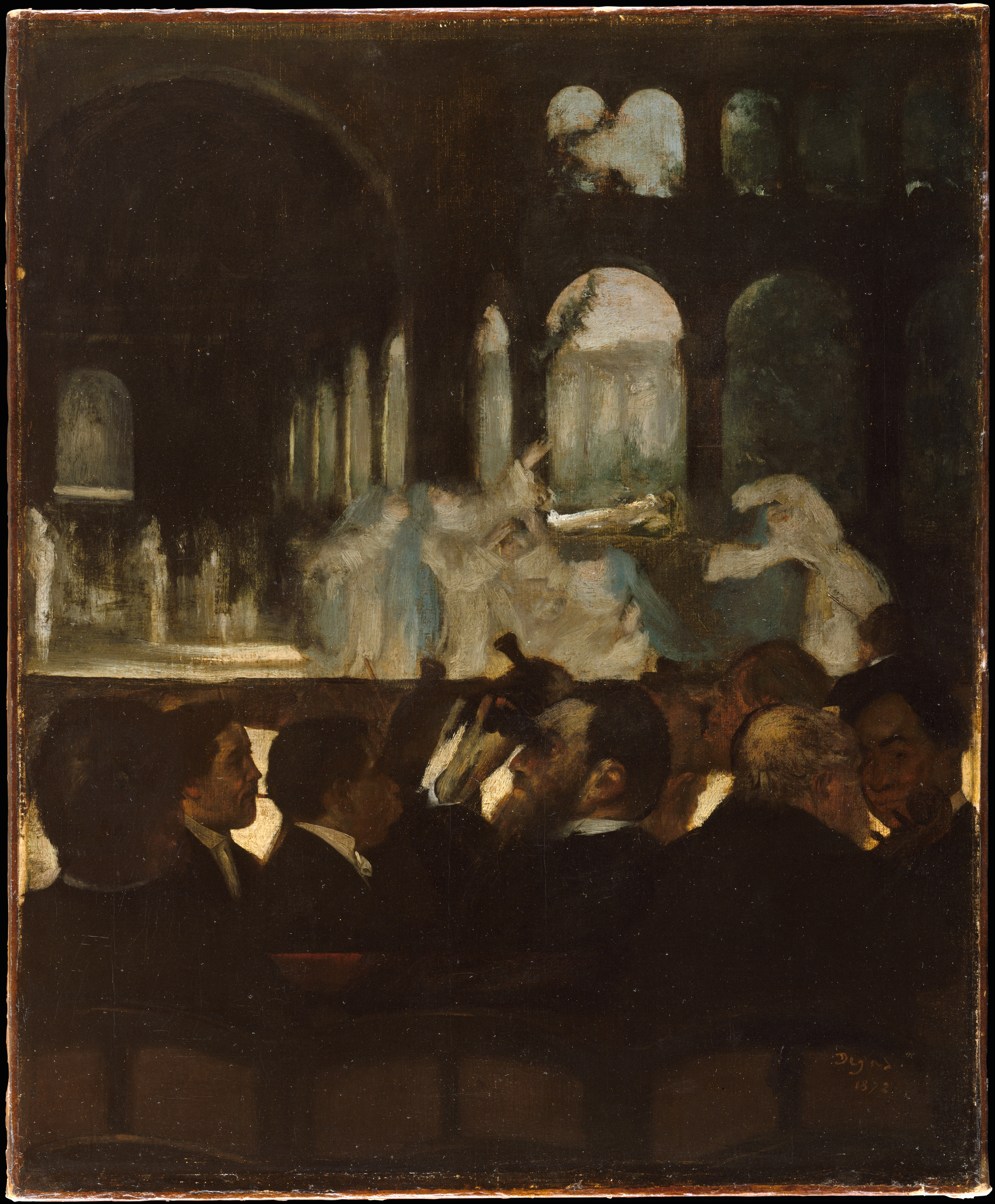
Phaedo, The Freedman Who Became a Philosopher, public domain
Slave Turned Witness to History
Phaedo starts life as a slave in Elis, sold in the chaos after Athens’ defeat. He washes up in Socrates’ circle—dirty, unfree, but sharp. On the day Socrates drinks the hemlock, Phaedo doesn’t flinch. He observes every tremor, every word, knowing he’ll be the one to retell it.
Philosophy by Firelight, Not Ivory Tower
Phaedo’s account, later immortalized by Plato, isn’t cold reporting. It’s a story of a man who found freedom not when the chains came off, but when he witnessed someone meet death with unwavering calm. Socrates debates the soul’s fate while his friends weep—Phaedo reports it all, the courage and the cracks alike.
A Freedman Defines an Era
Phaedo goes on to found his own school, his credibility forever tied to that final day. If Socrates’ courage in death still shapes philosophy, it’s because a former slave made sure we heard it, tremor by trembling line.
Phaedo’s memory of Socrates’ death isn’t just a transcript. It’s a freedman’s lens on fear, dignity, and the choice to live by reason—right up to the end.
