
Pericles’ Funeral Oration
The bodies of Athens’ war dead lay in wooden coffins—then Pericles stood and changed the meaning of death itself.
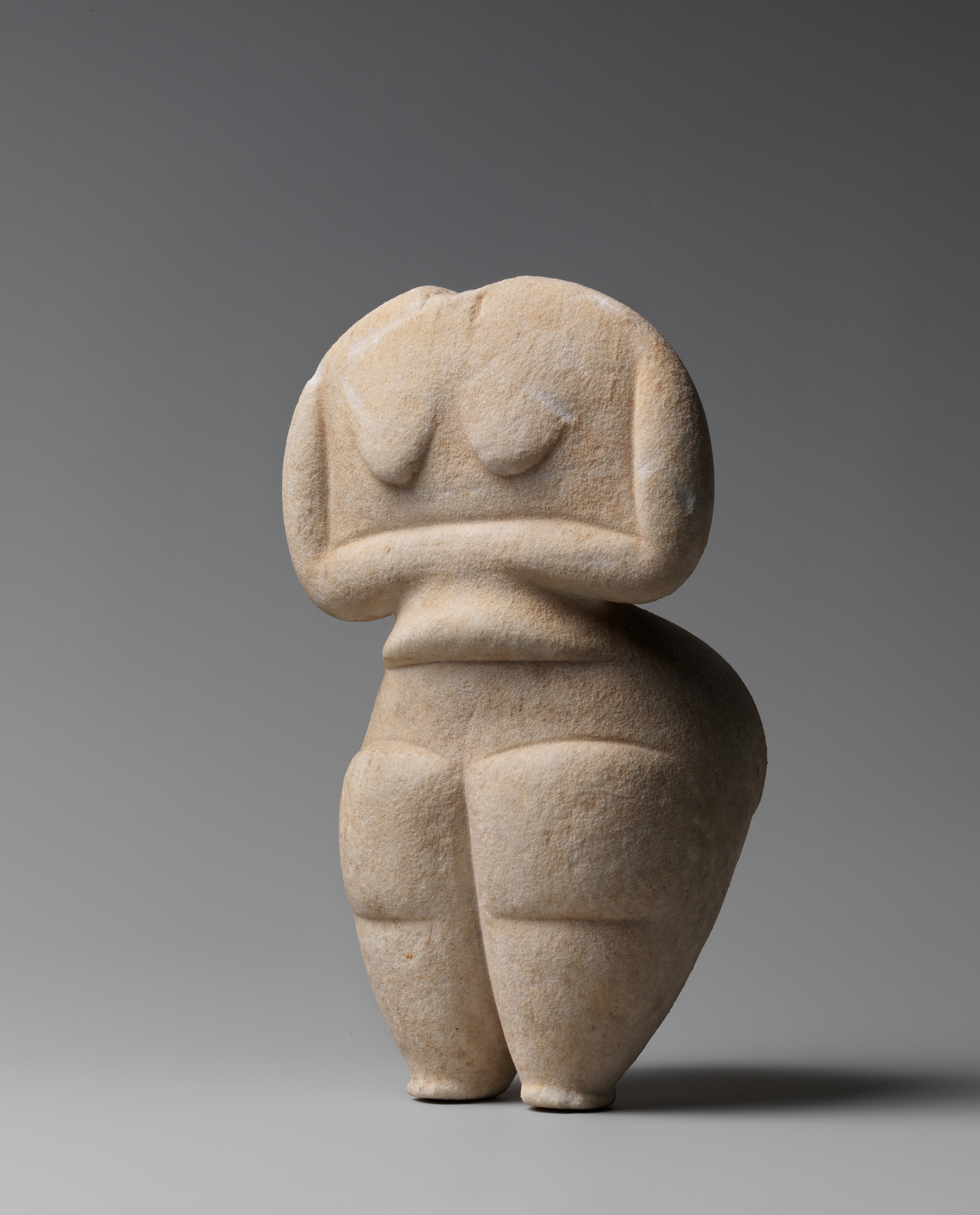
Unknown — "Marble female figure" (4500–4000 BCE), public domain
A city watches in silence.
After the first year of the Peloponnesian War, rows of coffins lined the Athenian agora. Citizens gathered under a gray sky—parents, widows, children—waiting for words to lift them above their losses.
Pericles rewrites the rules of mourning.
Pericles steps up. Instead of listing names, he praises the spirit of Athens: freedom, beauty, daring. In Thucydides’ account, he tells them the city itself is the greatest monument. Not the tombstones, not the tears.
Grief becomes pride.
By the time Pericles is done, no one’s just a mourner. They’re part of something larger. Even in loss, Athens claims victory—a kind of immortality not written in stone, but in memory and courage.
Pericles’ speech didn’t just honor the fallen—it redefined what it meant to be an Athenian, fusing grief and pride into the DNA of a city at war.
