
Perfume Factories Scented Ancient Athens
Step into the Agora on a hot day and catch a breeze of cinnamon, myrrh, and iris—smells drifting from industrial-scale perfume workshops clattering behind the market stalls.
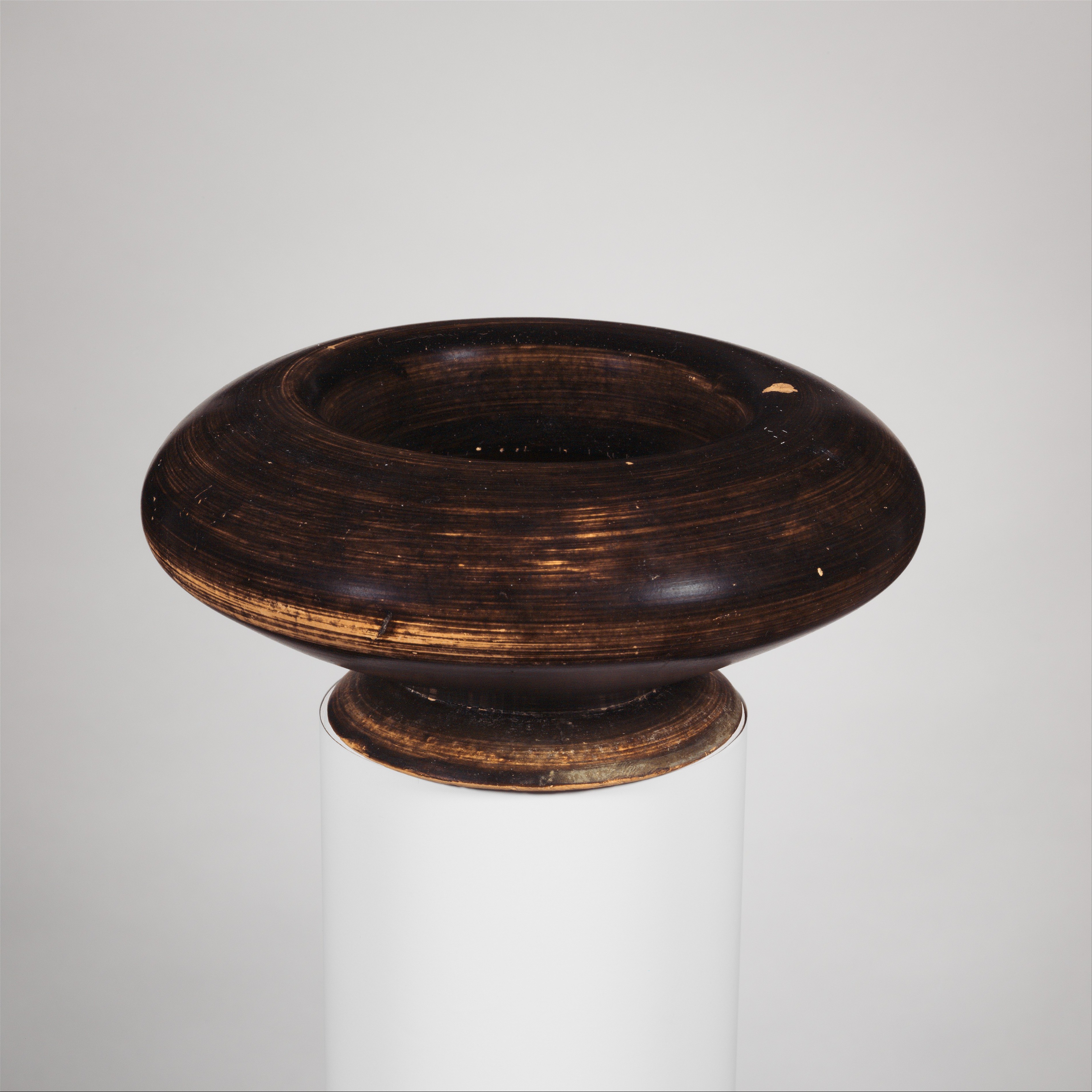
Unknown — "Terracotta plemochoe (vase for perfume)" (5th century BCE), public domain
Athenian Marketplace, Awash in Scent
Behind the chatter and coin-clink of Athens’ Agora, clay vats bubbled with scents. Cinnamon, iris, and myrrh were simmered with oil, filtered, and sold by the flask. Pottery sherds still carry molecular traces of these ancient perfumes.
Perfume: Big Business and Daily Ritual
Perfumes weren’t just for fancy events. They marked religious rituals, funerals, and even athletes’ post-games scrubs. The perfume industry employed potters, traders, and expert mixers—everyone chasing the perfect scent.
Archaeologists near Athens’ marketplace uncovered rows of clay vats and ash pits—evidence of large-scale perfume manufacturing. Perfume wasn’t just a luxury—it was an industry, producing scented oils for ritual, funerals, and everyday skin care. Recipes survive on tablets; so do fragments of Athenian pottery, still holding traces of ancient fragrance.
