
Alexander Orders Parmenion's Death
One morning, Parmenion was among the most trusted men in Alexander’s empire. By sunset, he was dead—killed on the king’s secret orders, never having seen his own crime.
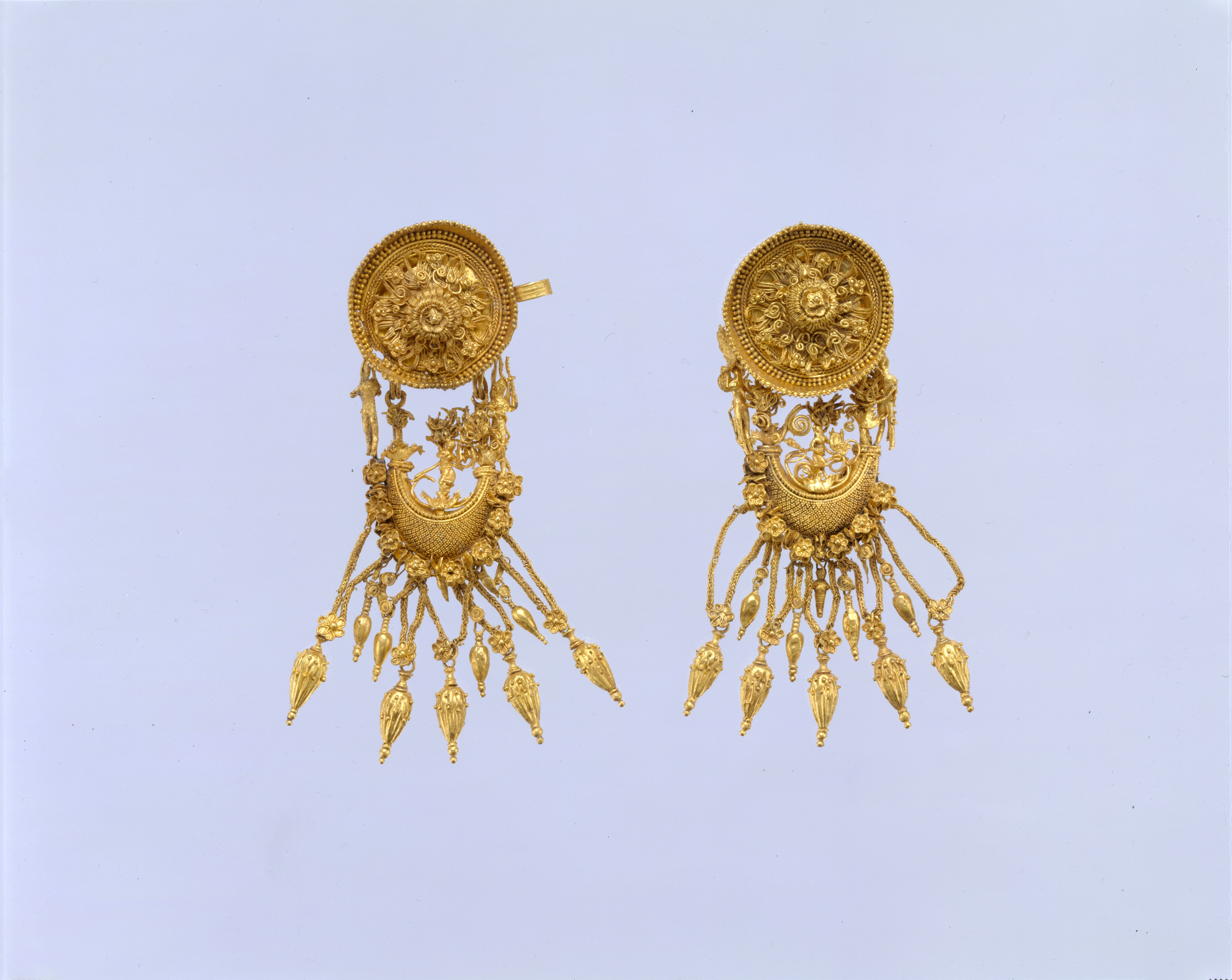
Unknown — "Pair of gold earrings with disk and boat-shaped pendant" (ca. 330–300 BCE), public domain
A General's Sudden Fall
Parmenion had fought alongside Alexander’s father and was second only to the king himself. He’d helped win Asia, commanded armies, and received kingdoms to govern. Then, his son Philotas was accused of plotting against Alexander.
Death Rides Ahead of the News
After Philotas was tortured and killed, Alexander ordered Parmenion’s death too—afraid the old general would rebel if he learned his son was gone. A small team rode hundreds of miles to Media, arriving before any warning could reach him. They stabbed Parmenion without trial, on the king’s word alone.
Trust and Terror at the Heart of Empire
No act shook Alexander's inner circle more. If the king could turn on Parmenion, no one—no matter how loyal—was truly safe. It marked a turning point: from here, suspicion and violence became inseparable from Alexander’s rule.
Parmenion, Alexander’s oldest general, was executed not for his own actions but for his son’s supposed treason. Alexander sent riders racing across the desert to complete the killing before word could reach the veteran. In a world of shifting loyalties, even lifelong service offered no shield.
