
Panaetius: The Stoic Who Softened Power
A Greek philosopher sits at the Roman dining table, swirling Falernian wine while senators hang on his every word.
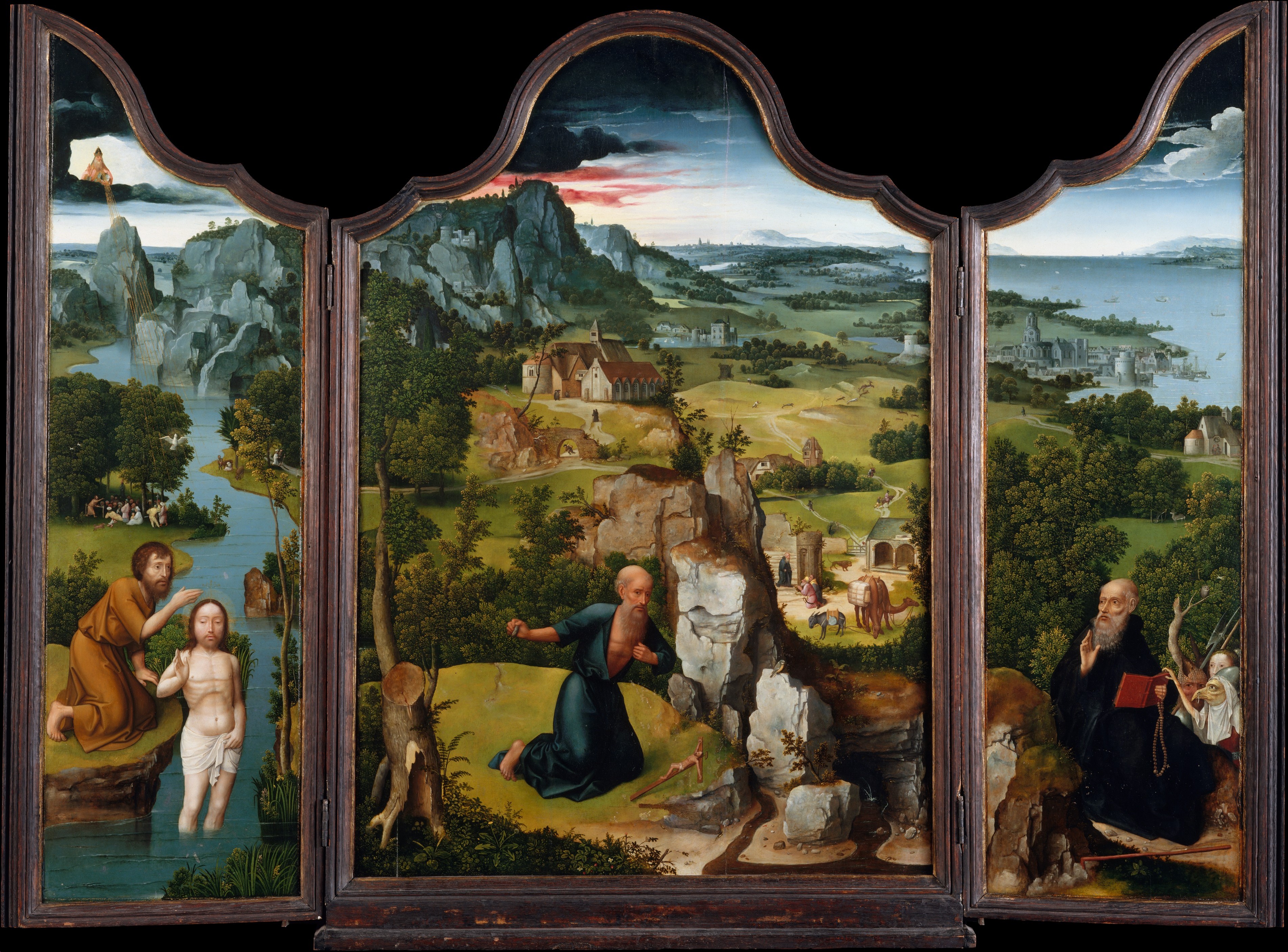
Joachim Patinir — "The Penitence of Saint Jerome" (ca. 1515), public domain
A Greek at the Roman Table
A Greek philosopher sits at the Roman dining table, swirling Falernian wine while senators hang on his every word. This is Panaetius—Stoic, exile, and unexpected powerbroker. Stoicism, born in Athens, is being remade over red marble and silver platters.
From Exile to Influence
Panaetius arrives in Rome when philosophers are still suspect, but Scipio Aemilianus welcomes him to his circle. Instead of preaching renunciation, he teaches Romans how philosophy can run armies, govern cities, and manage ambition. He softens the sharp edges of old Stoicism for men who build empires, not just escape them.
A Quiet Revolution in Thought
Long after his dinners end, Roman statesmen still quote Panaetius. He’s the missing link—the reason Cicero, Seneca, and Marcus Aurelius dream of virtue beneath their armor. Sometimes the world changes not with a war, but a conversation.
When Rome conquered Greece, Panaetius quietly began conquering Rome—from the inside. This Stoic didn’t preach withdrawal from the world but dined with Scipio Aemilianus and rewrote Stoicism to fit the rough hands of Roman generals. He told them virtue wasn’t just for philosophers in sandals but for men in togas and armor.
