
Pallas of Epirus: The Slave Who Became a Kingmaker
Born a Greek slave, Pallas signs imperial edicts in his own name—right beneath the emperor’s. Roman senators grit their teeth, powerless.
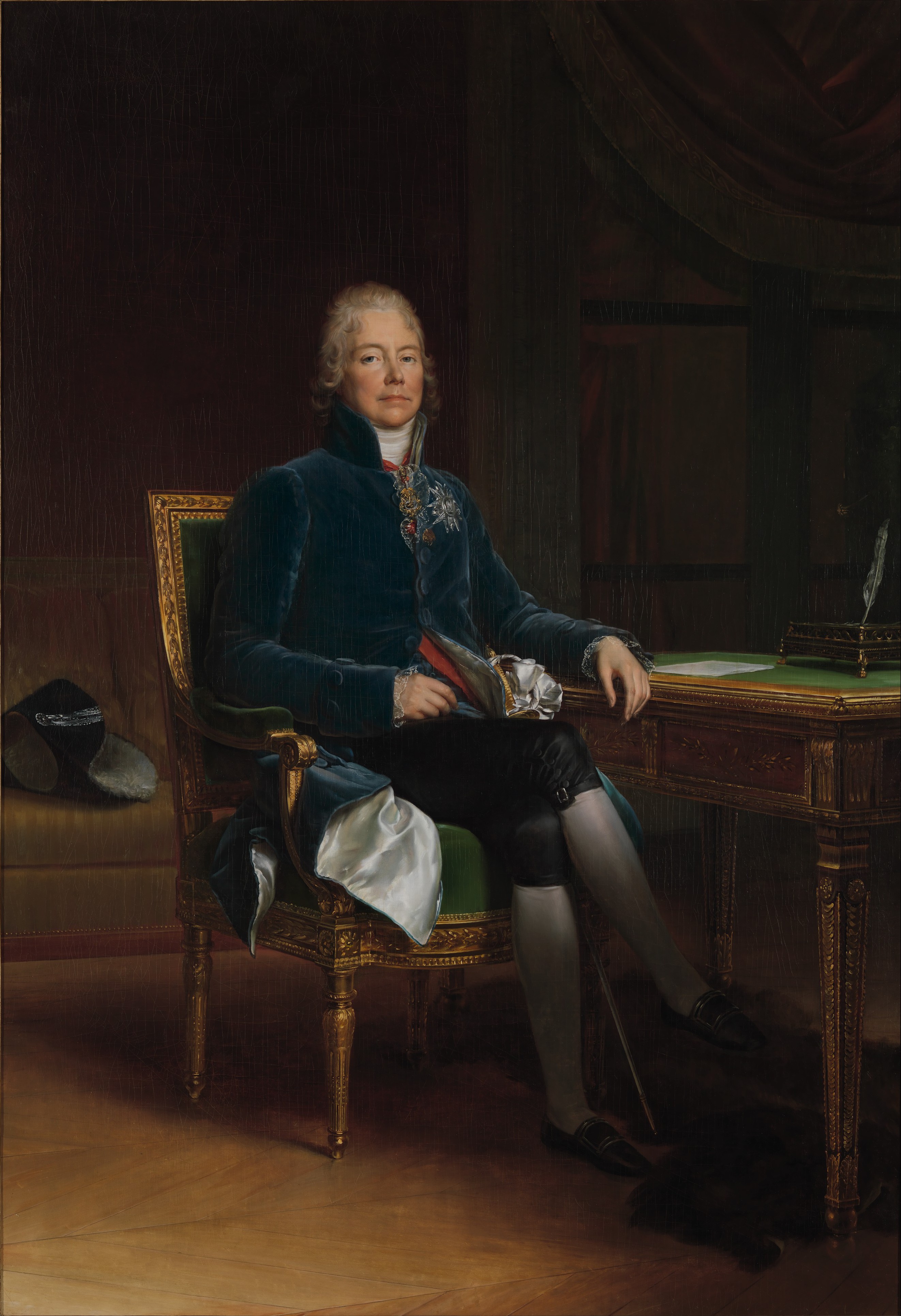
baron François Gérard — "Charles Maurice de Talleyrand Périgord (1754–1838), Prince de Bénévent" (1808), public domain
The Signature That Shamed Senators
A Greek slave’s name appears on imperial decrees. Pallas, once owned, now commands Roman fortunes and writes laws. A freedman’s flourish on parchment makes Rome’s oldest families fume.
The Man Behind the Empress
Pallas masterminds Agrippina’s rise, moving money and secrets between palace walls. Tacitus calls him corrupt, but everyone agrees—without Pallas, Nero might never have become emperor.
Power Has No Pedigree
Pallas died rich, honored, and hated. His story warns: in Rome, yesterday’s slave might hold tomorrow’s crown—at least for a moment.
Pallas starts as property in the imperial household. But his brains and loyalty vault him to the top: secretary to the emperor, master of imperial finances, and the power behind Empress Agrippina’s rise. Tacitus fumes that Rome’s destiny was shaped by a man who wasn’t even free by birth. What mattered wasn’t blood or title, but who held the keys to the treasury.
