
Did Nero Really Burn Christians as Torches?
Picture Nero: gardens blazing with human torches—Christian martyrs burning to light the emperor’s parties. The stuff of nightmares, repeated in textbooks and documentaries.
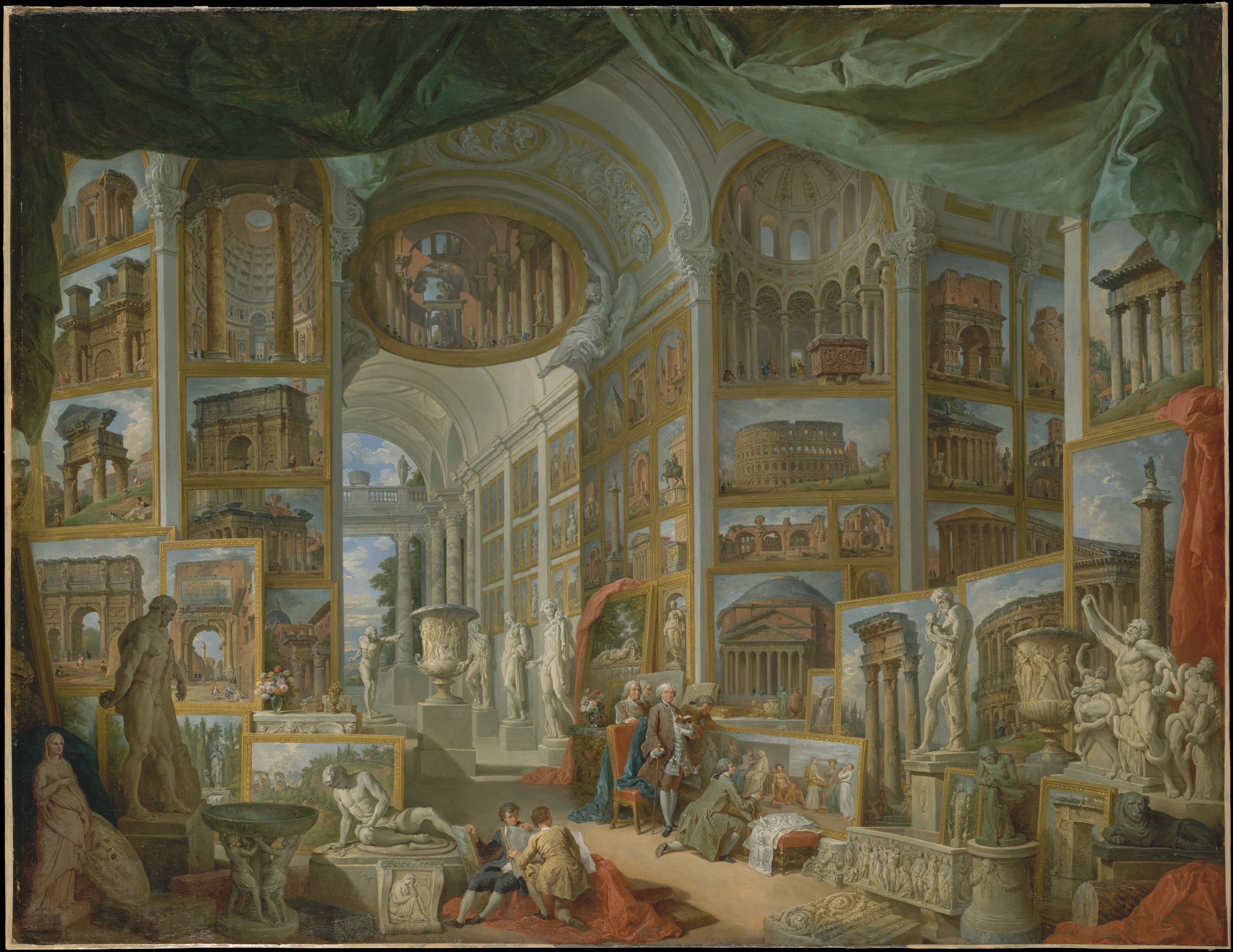
Panini — "Ancient Rome" (1757), public domain
Nero’s garden of burning martyrs?
You’ve heard it: Emperor Nero, silk-robed, strolls through his gardens at night, the lawns lit by the bodies of burning Christians. It’s a scene that’s haunted Western imagination for centuries. Even now, it shows up in museum plaques and novels.
What do we actually know?
Our only detailed source is Tacitus, writing sixty years after the Great Fire of Rome. He claims Nero used Christians as living torches. But no contemporary Roman or Christian source mentions it, and Tacitus hated both Nero and the cult. Archaeology is silent. Even many modern historians suspect exaggeration or invention.
How did the myth take root?
Christian writers, eager for martyrs and villains, repeated Tacitus’s story. Painters ran with the image, and it fit centuries of anxiety about imperial cruelty. Whether the horror was real or legend, it became one of the most enduring tales of Roman persecution.
The most vivid accounts come not from Roman records but from one brief, much later passage in Tacitus—writing decades after the events. No Roman eyewitness records the spectacle, and historians debate whether the story reflects brutal truth or Christian mythmaking.
