
The Poisoning of Britannicus
At a royal banquet, a 13-year-old prince drank from his cup—then collapsed, gasping, in front of the emperor.
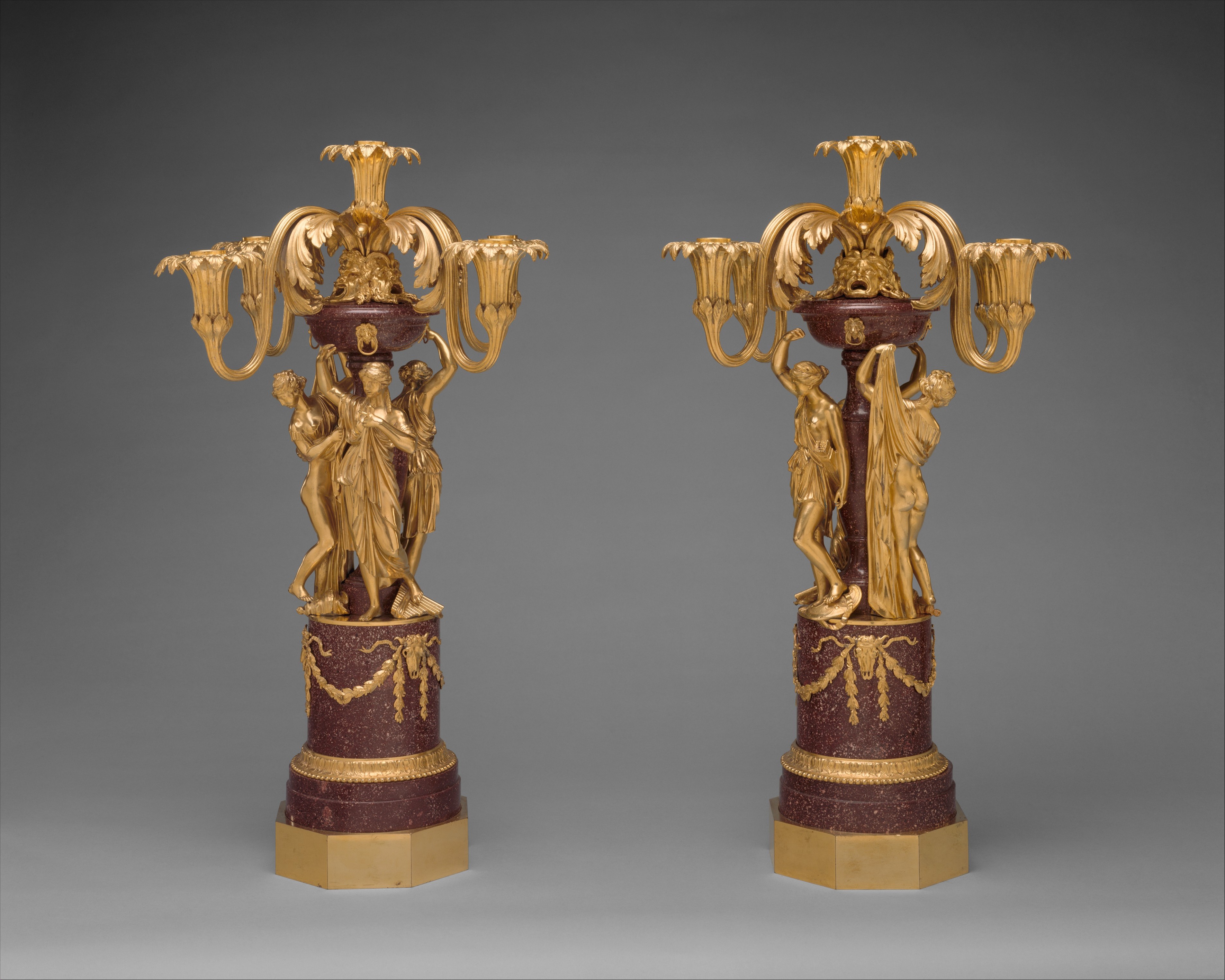
Luigi Valadier — "Pair of five-light candelabra" (1774), public domain
Death at the Emperor’s Table
The candles flicker. Slaves pour wine. Britannicus, the teenage son of Claudius, takes a sip—and seconds later, he’s clawing at his throat. In front of half the Roman elite, the boy dies gasping, with Emperor Nero watching expressionless from his couch.
A warning, served cold
Ancient historians like Tacitus describe how poisoners slipped the fatal dose into Britannicus’s drink. The boy’s death, staged at a public banquet, was more than murder—it was political theater. Nero removed his only true rival and sent a signal: power at Rome’s heart could turn deadly in an instant.
No sanctuary under the roof of an emperor
The message sank in with every guest. If a prince could be killed before their eyes, who was safe? After that night, every meal at Nero's palace came with a taste of fear.
Nero had his stepbrother Britannicus poisoned during dinner, cementing his grip on power and sending a message to every guest: no one under his roof was safe.
