
Musonius Rufus on Justice
“To stand aside and remain silent is to help the wrongdoer.” Musonius Rufus, Rome’s stubborn philosopher, calls out cowardice — in Greek.
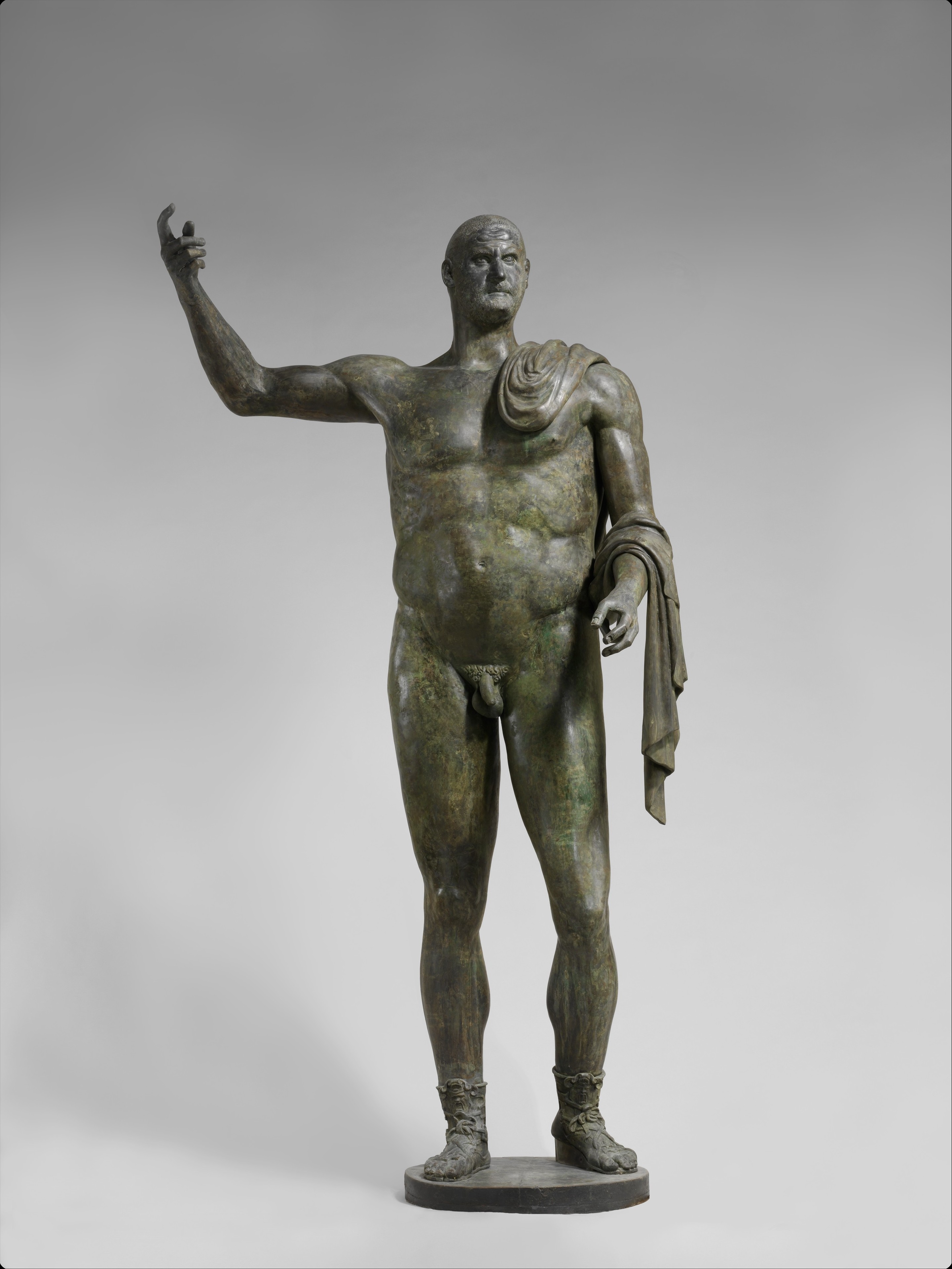
Unknown — "Bronze statue of the emperor Trebonianus Gallus" (251–253 CE), public domain
A warning in Greek.
Musonius Rufus, in a surviving fragment (as preserved in Stobaeus, Anthology), delivers: «Τὸ μὴ ἀντιλέγειν τοῖς ἀδίκοις συνηγορεῖν ἐστιν.» — "To stand aside and remain silent is to help the wrongdoer." He fires this shot in a city addicted to political silence.
Why Musonius spoke up.
Rome’s Senate was a place for speeches and secrets. Musonius Rufus believed real philosophy had to step into the mess — even if it meant exile. Injustice tolerated was injustice multiplied.
Stoic troublemaker.
He was exiled more than once for refusing to shut up. While others worked the system, Musonius turned silence itself into a vice. The lesson: sometimes the bravest act is to speak, not just to endure.
Musonius Rufus risked exile, arrest, and worse for his principles. He put action far above reputation; for him, not resisting injustice was itself a crime.
