
Musonius Rufus on the Dignity of Work
"No labor is dishonorable." — Musonius Rufus, exiled philosopher, wrote the line that embarrassed Rome’s idle rich.
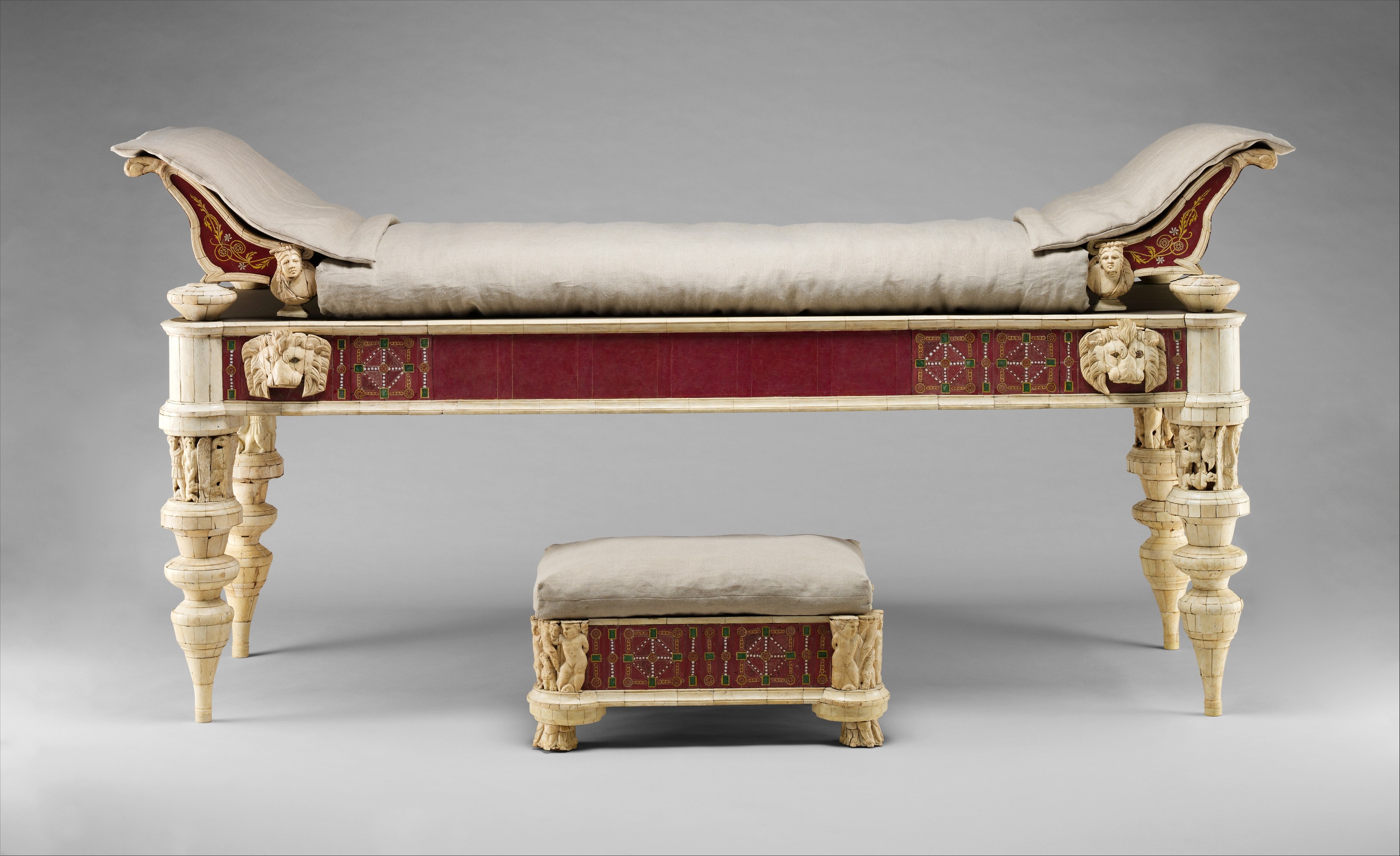
Unknown — "Couch and footstool with bone carvings and glass inlays" (1st–2nd century CE), public domain
Musonius Rufus lifts work above status.
In his Lectures (Fragment 93, quoted by Stobaeus), Musonius Rufus declares: «Οὐδὲν ἔργον ἀδοξοποιὸν οὐδ᾽ αἰσχρὸν ἐστίν.» — "No labor is dishonorable." He puts plowing a field and statesmanship on the same rung of virtue.
Sweat as philosophy.
For Musonius, honest work was the true measure of character. He saw the Roman elite shunning labor as beneath them—he called that a sickness. Virtue, he argued, is built in muscle and habit, not idle talk or borrowed gold.
A Stoic with dirt under his fingernails.
Exiled for challenging emperors, Musonius farmed, taught, and endured. He practiced what he preached: dignity comes from doing what needs to be done, no matter who is watching.
Musonius didn’t just sling words from a study. He tilled the fields alongside slaves, believing sweat was proof of virtue, not shame.
