
Musonius Rufus on Friendship and Honesty
"A true friend speaks not what is pleasant, but what is useful." — Musonius Rufus never let flattery pass for loyalty.
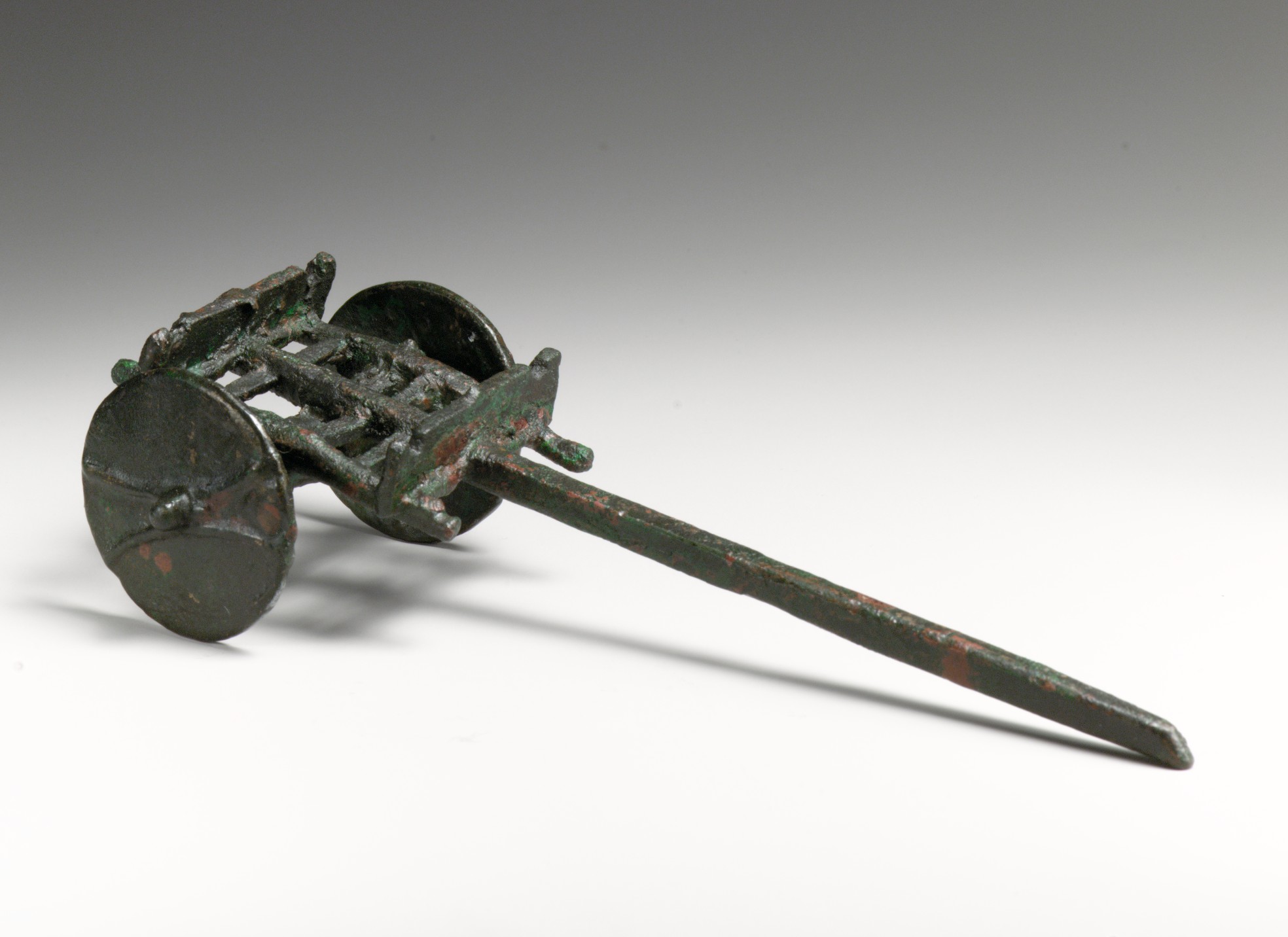
Unknown — "Bronze model of a cart with farmyard group" (2nd century BCE–1st century CE), public domain
Friendship isn’t applause, it’s correction.
Musonius Rufus, in his lectures (as recorded by Stobaeus), says: «Οὔτε τὸ ἡδύ, ἀλλὰ τὸ χρήσιμον ὁ φίλος λέγει.» — "A friend says not what is pleasant, but what is useful." He expected honesty, even if it stung.
Why provoke a friend?
For Musonius, friendship was about strengthening each other’s character. Flattery is cheap; criticism, if true, is a gift. He didn’t want comfort—he wanted virtue sharpened in the forge of argument.
He practiced what he preached.
Musonius Rufus was exiled more than once for crossing those in power. He taught both men and women, senators and slaves. His friends didn’t always thank him, but they never doubted his honesty.
For Musonius, real friendship was a discipline, not a safe haven. He believed the best friends made you bristle, not just smile.
