
Musonius Rufus on Exile
“To the wise man, every place is a homeland.” Musonius Rufus, banished again and again, erased the borders on every map.
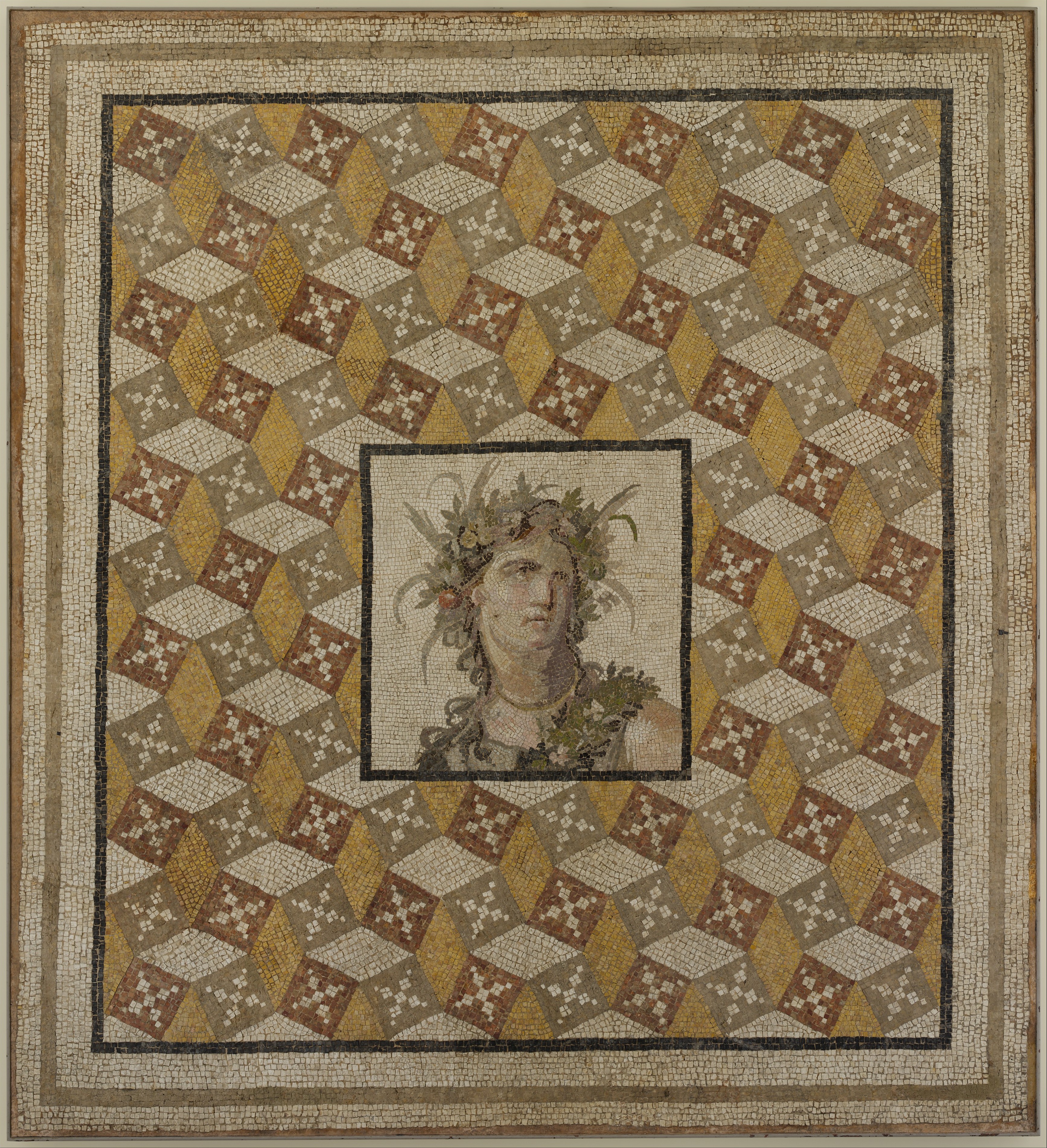
Unknown — "Mosaic floor panel" (2nd century CE), public domain
Home is where you stand.
Musonius Rufus, in a fragment recorded by Stobaeus (Florilegium 4.52.44), says: «Πᾶσα γῆ σοφῷ πατρίς.» — “To the wise man, every place is a homeland.” He laid this down between banishments, packing philosophy for the road.
Turning exile inside out.
Rome used exile as punishment. Musonius flipped it: you carry your character with you, not your citizenship. Stoic training isn’t about gardens or palaces — it’s about being self-sufficient, unshaken, portable.
The philosopher who wouldn’t stay put.
Musonius was exiled to the edge of the Empire — blown from Rome to Gyaros to Sicily and back. Each time, he taught, wrote, and lived as if nothing essential had changed. His philosophy moved with him — and still does.
Musonius Rufus didn’t just survive exile — he turned it into a test of character. When circumstances changed, he carried himself unchanged across the world.
