
Musonius Rufus on Educating Women
"Women should study philosophy, too."—Musonius Rufus didn’t just say this in Latin. He meant it, and trained his own daughters as Stoics.
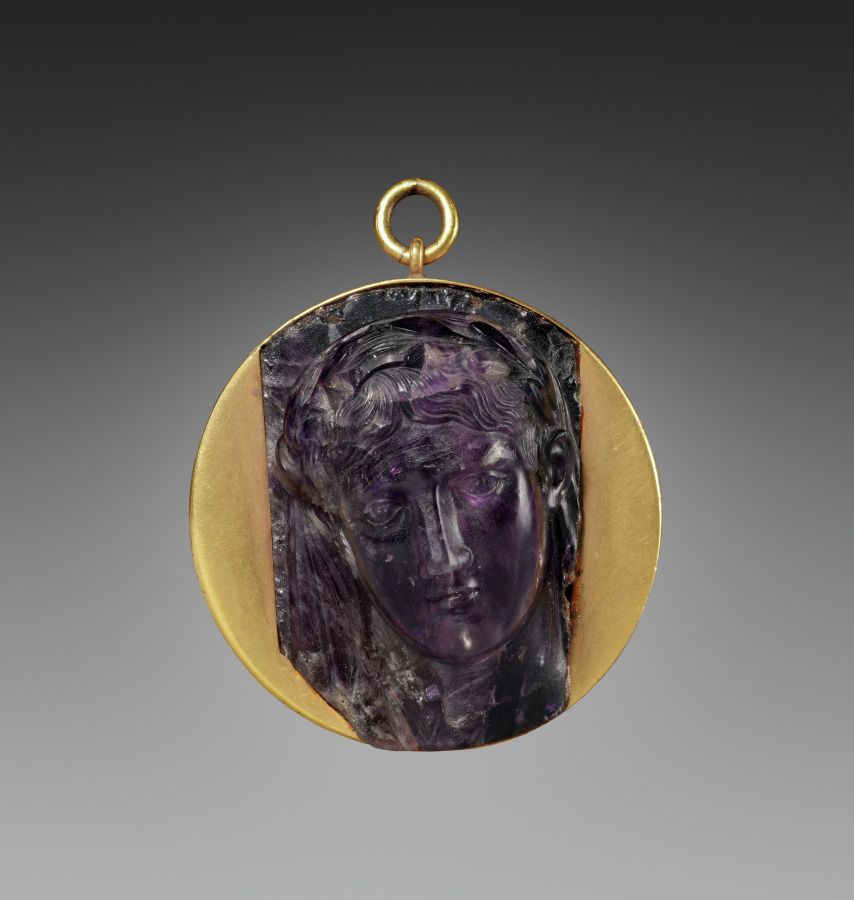
Unknown — "Cameo: Head of a Woman" (1–100 CE), CC0
A radical classroom: Rome, 1st century AD.
Musonius Rufus, in his Lecture 4, declared: «ἀρετὴν γὰρ οὐκ ἄρρενα μόνον φύσει, ἀλλὰ καὶ θήλειαν ἐνδέχεται» — «Virtue is not only for men by nature, but for women as well.» His lectures make clear: women deserved the same training in reason and ethics as men. In a world of arranged marriages and rigid roles, this was more than theory.
What Stoic equality really meant.
Stoicism taught that virtue—wisdom, courage, justice—was the only thing that mattered. Musonius pushed this further: why train only boys to endure hardship, be just, keep temper? He insisted: philosophy makes better humans, not just better men. He faced ridicule from traditionalists but never changed his tune.
Meet the teacher who defied Roman norms.
Musonius Rufus taught philosophy even during Nero’s worst persecutions. Seneca and Epictetus called him the ‘Roman Socrates’—he taught not just rich young men, but wives, daughters, and even slaves. Today, his words still resonate: education is for everyone, not just those born with the right privileges.
Centuries before modern debates on gender and education, Musonius Rufus made the case that virtue has no gender. For Stoics, character—not birth or sex—was what counted.
