
Musonius Rufus on Patient Strength
"It is a sign of a great soul to bear with patience one who is in error." Musonius Rufus, the Stoic drillmaster, thought patience was harder than courage.
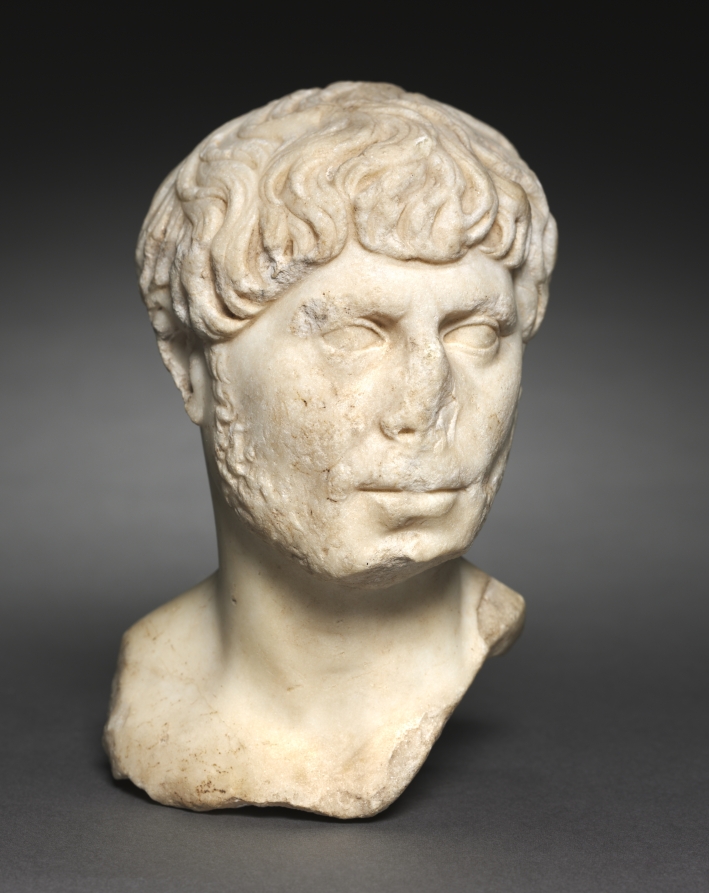
Unknown — "Head of a Bearded Man" (c. 125 CE), CC0
«Μεγάλου ἀνδρὸς σημεῖον τὸ καρτερεῖν ἐν τῷ πταίειν.»
In his lectures (as preserved by Stobaeus), Musonius Rufus says: «Μεγάλου ἀνδρὸς σημεῖον τὸ καρτερεῖν ἐν τῷ πταίειν» — "It is a sign of a great soul to bear with patience one who is in error." This wasn’t said from comfort. It was a survival tactic for anyone surrounded by pettiness and malice.
What’s the Stoic read?
Musonius believed that real strength isn’t about domination or retaliation. Anyone can lash out; few can keep steady when tested by fools or enemies. Patience, for him, was more brutal training than the Roman gymnasium. To outwait an adversary is to win the only battle that matters—over yourself.
Philosophy under exile.
Musonius was banished from Rome not once, but twice—always for saying things emperors didn’t want to hear. He kept teaching, unpaid, in whatever dusty outpost he landed. If he could swallow insult and keep teaching, anyone can start practicing patience—with bosses, with family, with the world on fire.
Musonius spent years exiled by Roman emperors who didn’t like his honesty. He thought true power wasn’t crushing your enemies, but learning to outlast them without losing your cool.
