
Musonius Rufus on Women and Wisdom
"Women have the same natural capacity for virtue as men." — Musonius Rufus, asking the question Rome wouldn’t.
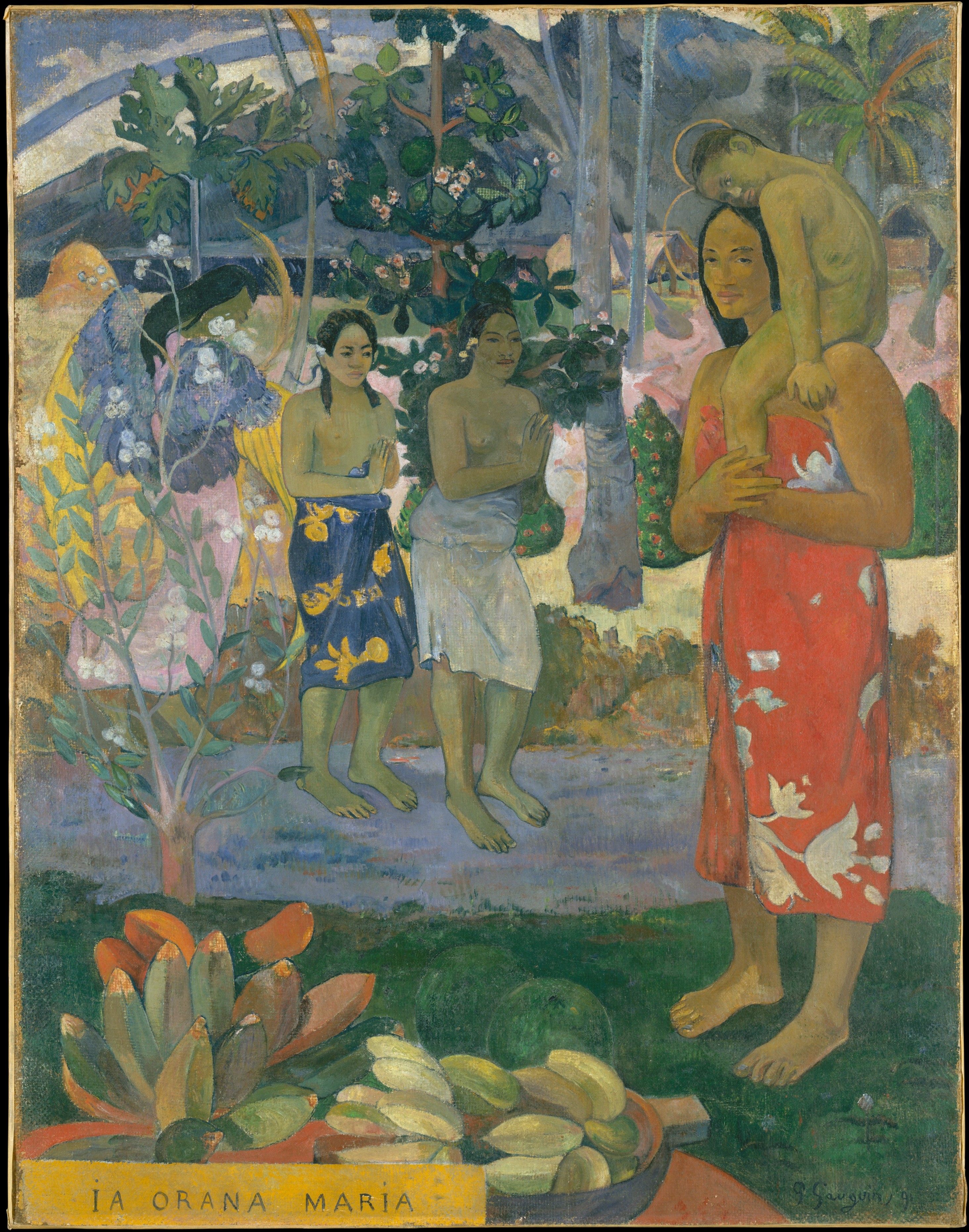
Paul Gauguin — "Ia Orana Maria (Hail Mary)" (1891), public domain
Virtue knows no gender for Musonius.
Musonius Rufus, in his Lectures (Lecture III), states: «Τὸ γὰρ τῆς ἀρετῆς εἶδος ἐν ἀνδράσι καὶ γυναιξὶν ἕν.» — "The type of virtue is the same in men and women." At a time when women were barely taught to read, he set the bar higher.
Philosophy for all.
Musonius wasn’t interested in empty flattery. He argued that women could reason, endure hardship, and live bravely, just as well as any man. For him, philosophy wasn’t a luxury for the few—it was medicine for everyone.
Rome’s Stoic rebel.
Musonius Rufus was exiled, ignored, and laughed at—but he kept teaching. He coached not just young men for public life, but women in virtue and resilience. In a marble patriarchy, he planted seeds of equality no one could unsee.
Musonius Rufus didn’t just teach philosophy to senators—he taught it to their daughters. He believed virtue wasn’t limited by gender, and he said it right to the face of Roman tradition.
