
Musonius Rufus on Truth-Telling
"It is better to be hated for telling the truth than to be loved for telling lies." — Musonius Rufus, Rome’s Stoic drillmaster, carved this in plain Greek.
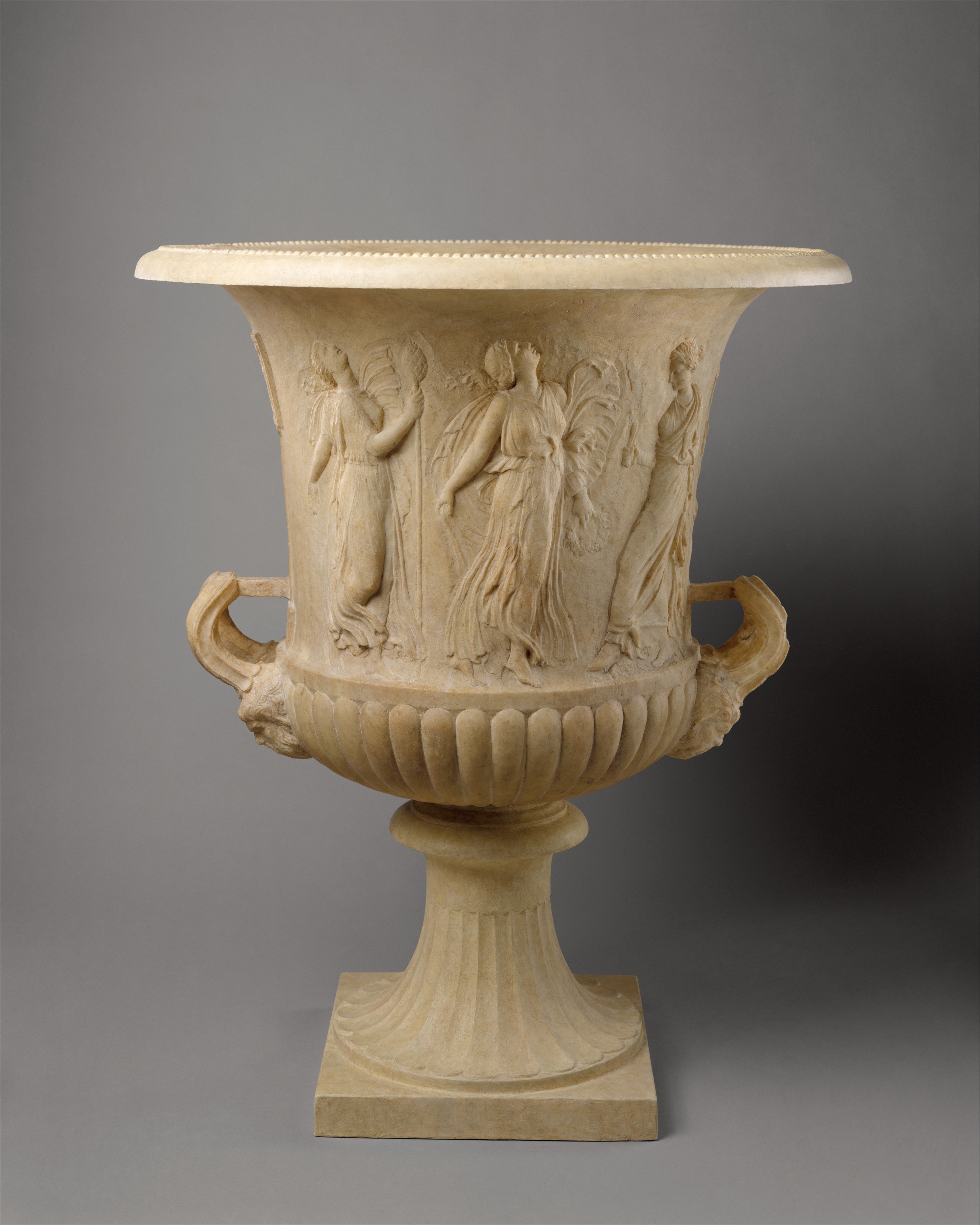
Unknown — "Marble calyx-krater with reliefs of maidens and dancing maenads" (1st century CE), public domain
Musonius Rufus, the blunt instrument.
Musonius Rufus, as recorded in Stobaeus (Florilegium 3.16.38), delivered: «Κρεισσον μισεῖσθαι ἀληθεύοντα, ἢ φιλεῖσθαι ψευδόμενον.» — «It is better to be hated for telling the truth than to be loved for telling lies.» In a city of flattery, he chose iron.
When truth-telling burns bridges.
To Musonius, stoic ethics meant facing exile, enemies, and discomfort, all for the sake of honesty. He believed real friendship and society depended on truth, however awkward. To betray truth was to betray yourself first.
The philosopher Rome couldn’t silence.
Musonius was exiled repeatedly for saying what emperors didn’t want to hear. He taught in fields and on the road, never softening his message for power or applause. His students called him the Roman Socrates for a reason.
Musonius didn’t just demand virtue; he lived it, even when truth cost him exile. His words still sting in any era that rewards comfort over honesty.
