
Marcus Aurelius and the Inner Fortress
"Dig within. Within is the wellspring of good." — Marcus Aurelius, writing under siege and plague, found strength not in legions, but in himself.
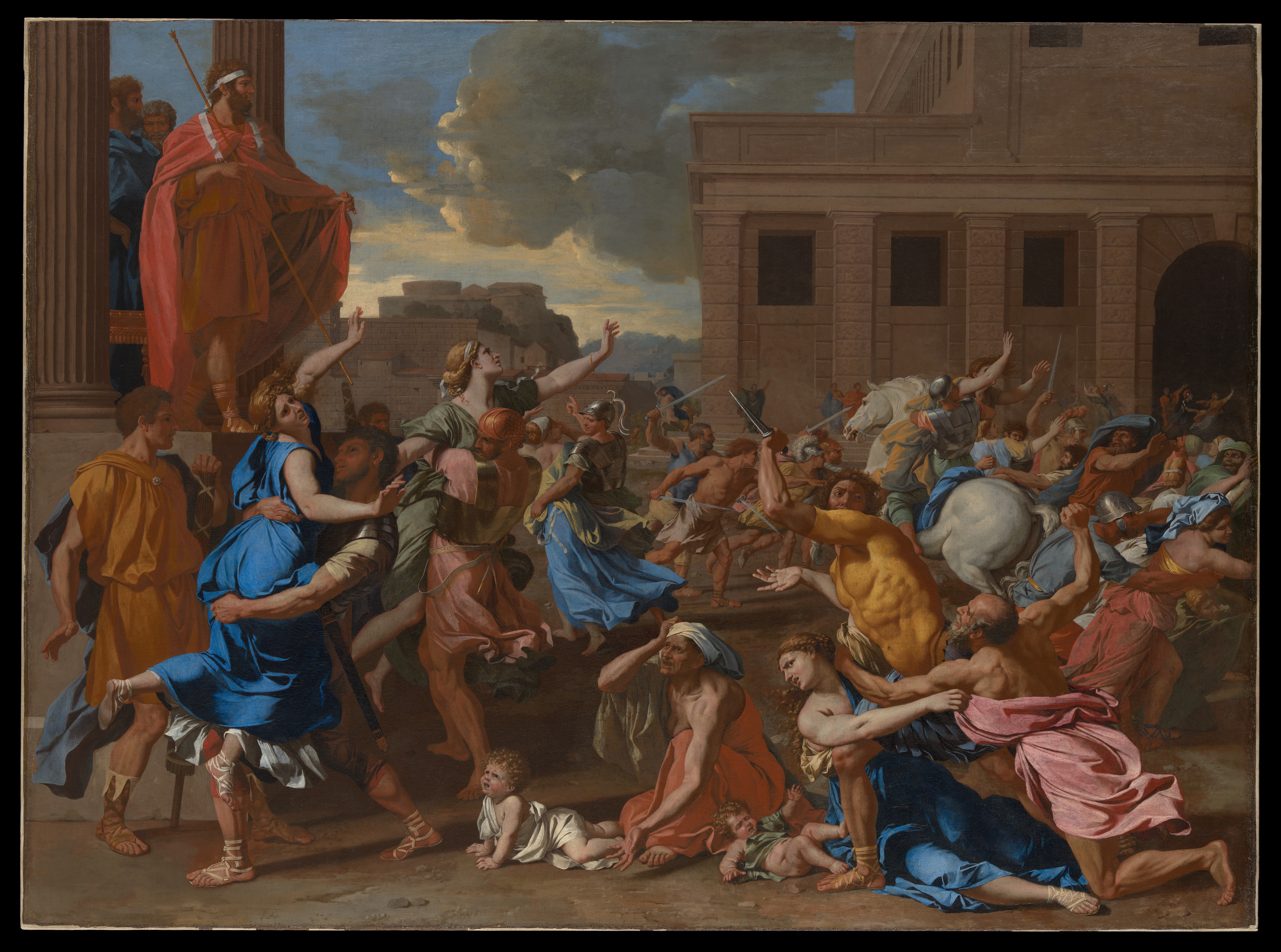
Nicolas Poussin — "The Abduction of the Sabine Women" (probably 1633–34), public domain
“Dig within.” The emperor’s secret citadel.
Marcus Aurelius, in Meditations (Book VII), writes: «Ὅθεν ὄρεξε, ἔνδον ἄντλησον τὰ ἀγαθά» — «Dig within. Within is the wellspring of good.» He penned this while camped on the empire’s frontiers, surrounded by war and plague. For a man with the world at his feet, his refuge was always inward.
What did Marcus really mean?
He wasn’t telling generals to look for water. Marcus’s Stoicism taught that nothing external can shake the truly good person. Your mind is a fortress, stronger than any Roman wall. No disaster, no betrayal, not even death can touch the wellspring inside you. This was how an emperor survived history’s worst days.
The emperor who journaled for sanity.
Marcus Aurelius ruled through wars, disease, and endless politics. Each night, by lamplight, he wrote notes to himself—not for glory, but just to get through the day. The inner spring he wrote about? He drew from it every time duty or despair threatened to flood him. Some emperors built monuments; Marcus built an inner world.
The emperor who ruled an empire in chaos believed the only citadel you could never lose was the one inside your mind.
