
Marcus Aurelius, Alone on the Frontier
The emperor sits in a muddy tent at the edge of the world, writing not decrees, but letters to himself about how to endure suffering.
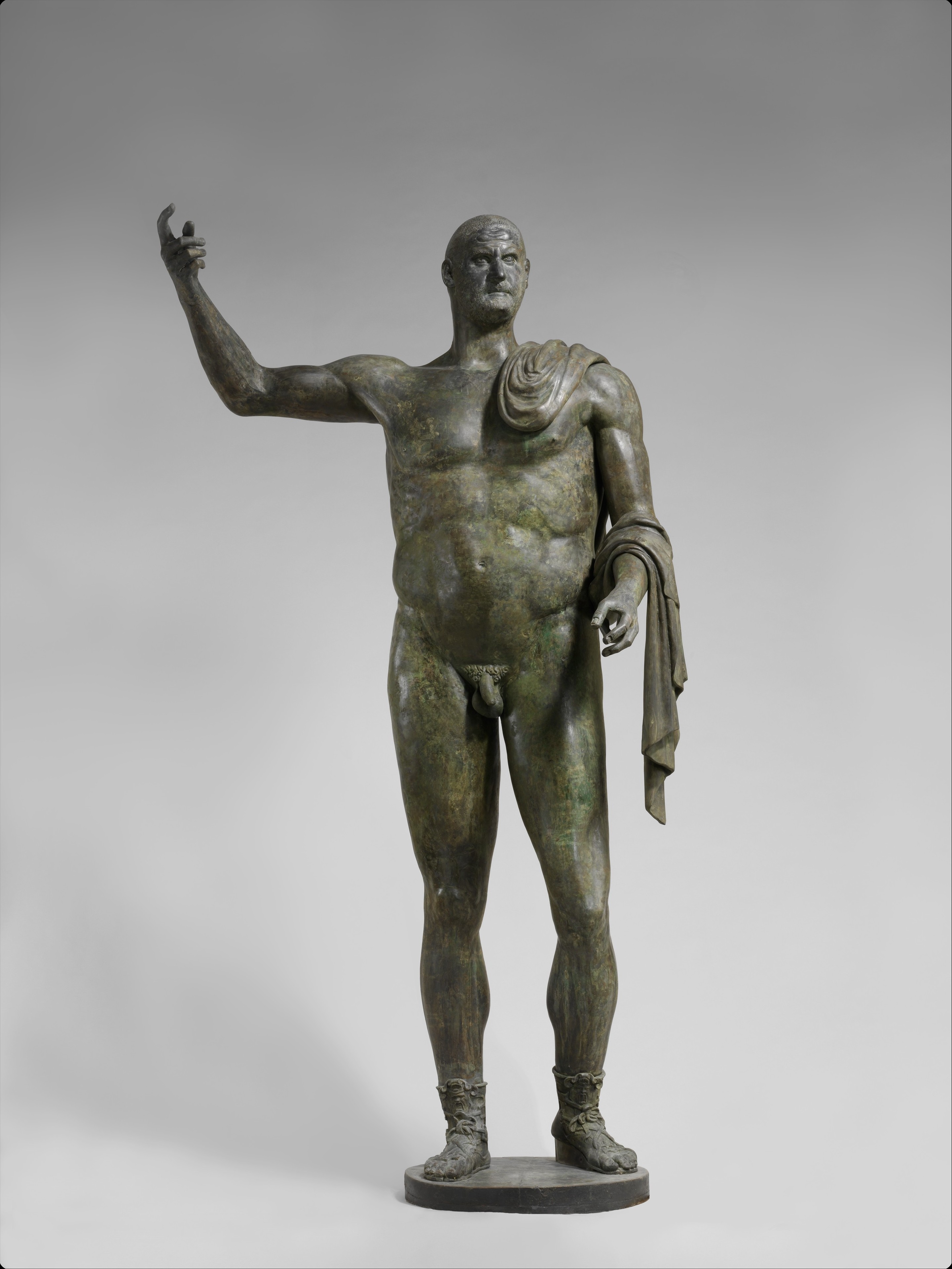
Unknown — "Bronze statue of the emperor Trebonianus Gallus" (251–253 CE), public domain
Philosopher in a War Tent
Marcus Aurelius, emperor of Rome, spent his nights on the Danube frontier, fighting not just enemies, but despair. Instead of speeches or laws, he turned to his notebook—writing down words to steel himself against loss and fear.
A Mind at War, Not at Peace
The Meditations are not the polished wisdom of a man at ease; they are battle notes. Marcus wrote while his army starved, while the plague raged, and while his own son, Commodus, grew up far away in Rome. These are the private thoughts of a man holding the empire together at the seams.
A Philosopher’s Legacy, Born of Crisis
What survives of Marcus is not his victories, but these fragments—scribbled in darkness and anxiety, never meant for us. His struggle made him a sage, though he often felt barely holding on.
Marcus Aurelius is remembered as the philosopher-emperor, but most of his Meditations were scribbled during a brutal war on Rome’s northern border. Plague swept through the legions, barbarian raids kept coming, and the empire felt paper-thin. Marcus wrote down his self-doubts and commands to persevere—often sleepless, far from marble and ceremony.
