
The Night the Geese Saved Rome
In the dead of night, sacred geese start honking—waking a sleeping soldier just as Gauls begin to scale Rome’s last holdout.
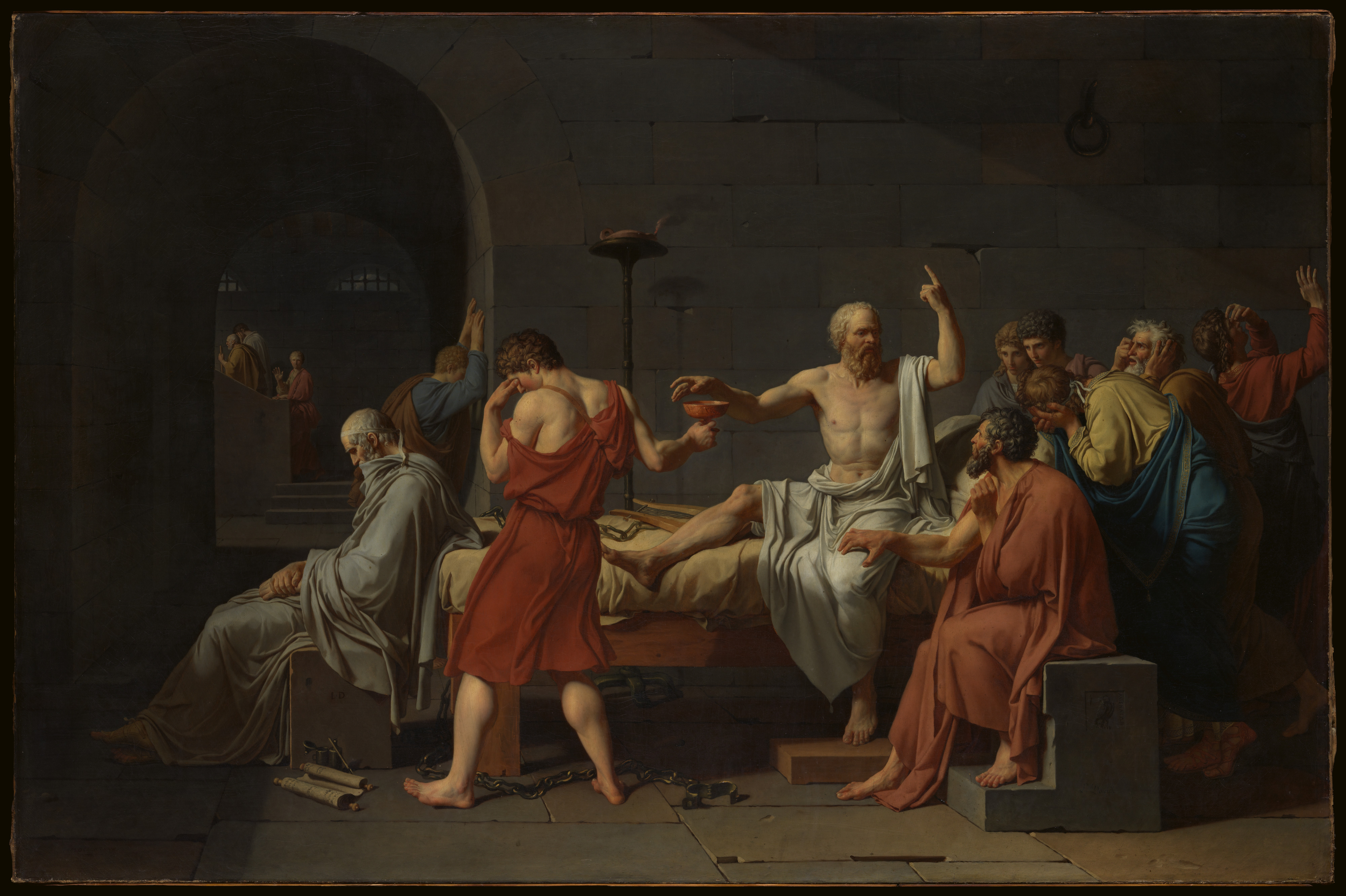
Jacques Louis David — "The Death of Socrates" (1787), public domain
The attack at midnight.
390 BC. Rome is broken and burning after a Gallic invasion. Only the defenders of the Capitoline Hill still hold out. In the dark, Gaulish warriors climb silently—expecting the city to sleep.
Honk, honk—alarm!
It’s not a dog or a sentry who raises the alarm, but the sacred geese of Juno. Their wild cries wake the defenders. A Roman named Marcus Manlius throws himself into the fray, pushing Gauls from the brink and saving the city from final capture.
Never ignore the birds.
Romans honored the geese for centuries, parading them through the city every year. Sometimes, survival hinges on the one thing you took for granted—the animals at the edge of the firelight.
Sometimes, it’s not the soldiers, but the animals, that change history. The geese atop the Capitoline Hill sounded the alarm that saved Rome itself.
