
Maecenas: Kingmaker in the Shadows
He never wore a laurel wreath—but every poet in Rome courted his favor.
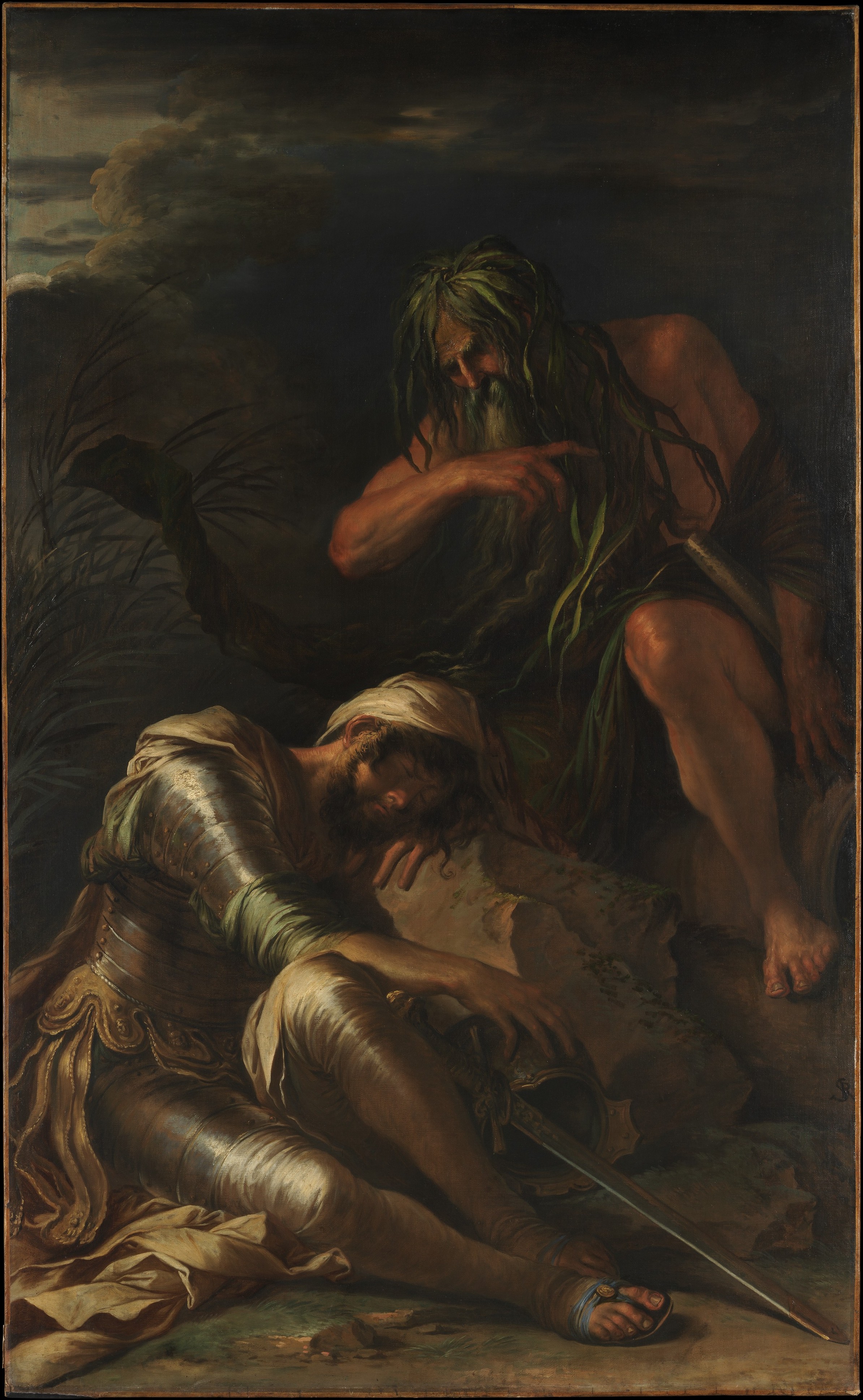
Salvator Rosa — "The Dream of Aeneas" (1660–65), public domain
Rome’s Most Powerful Guest
He threw more parties than anyone in Augustus’ circle. But Maecenas never ran for office—he was the one every politician wanted at their table. In a city of ambition, he chose to rule behind closed doors.
The Patron’s Quiet Revolution
By lavishing gifts on poets, Maecenas didn’t just buy verses—he shaped Rome’s memory. Virgil’s Aeneid? Horace’s Odes? Both born from the safety of Maecenas’ villa. Through art, he steadied Augustus’ regime—a subtler empire built on ink, not iron.
Invisible, But Inescapable
Today, we remember emperors and soldiers. But Maecenas’s power lingers in every line of Rome’s golden poetry. His legacy is the Rome we imagine—crafted by the voices he lifted.
Caius Maecenas was no emperor, no general. Yet, in the twilight of the Republic, he wielded a quieter power: patronage. Rich, cultured, and a confidant to Augustus, he turned poets like Virgil and Horace into household names. In salons scented with imported perfumes, Rome’s cultural future was shaped over a cup of Falernian wine.
