
When Athenian Women Declared a Sex Strike
While Athens and Sparta bled each other dry, the women of Greece locked themselves inside a temple—and refused to sleep with their husbands until peace was made.
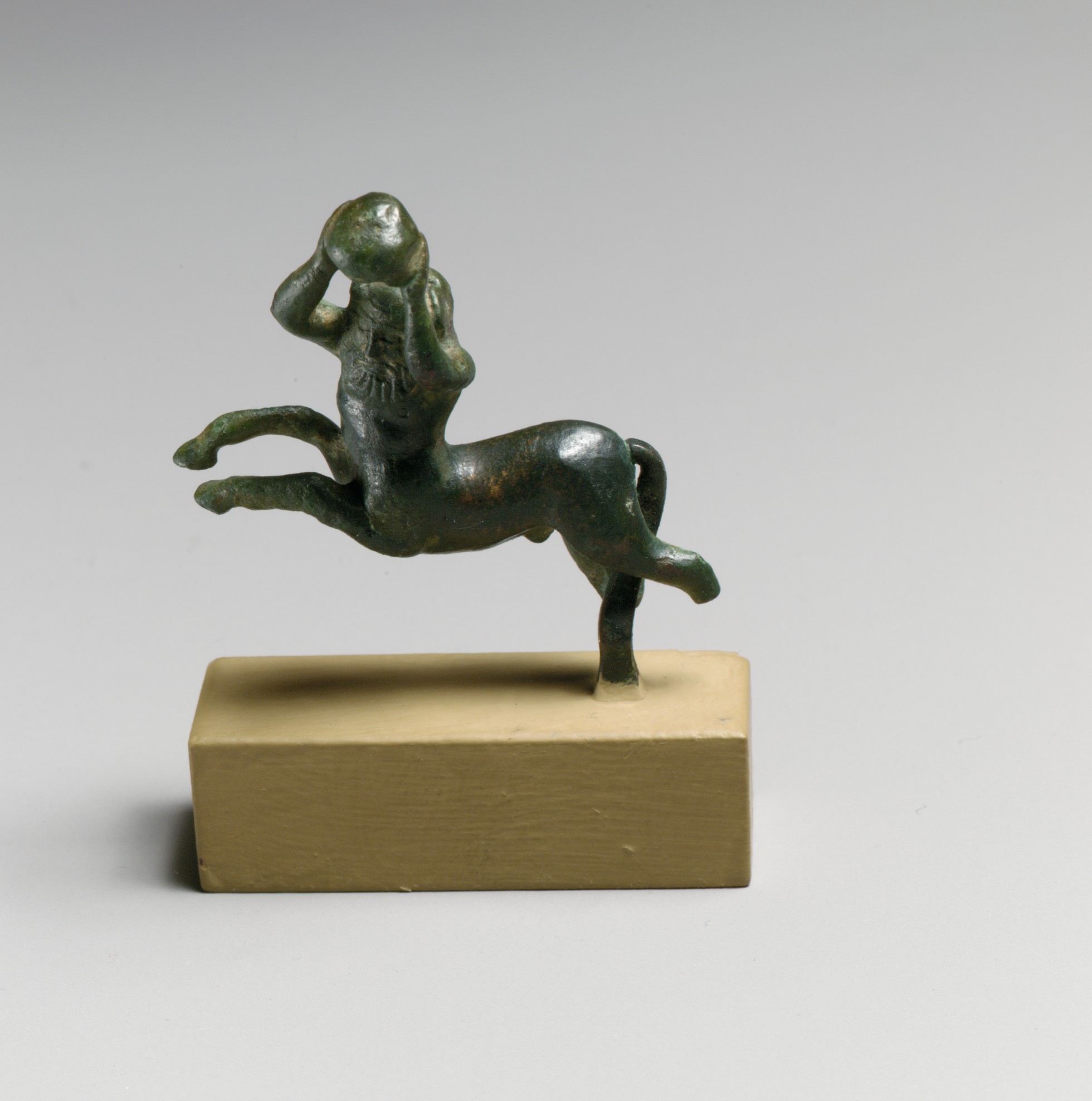
Unknown — "Bronze centaur" (late 5th century BCE), public domain
Locked Gates, Empty Beds.
In 411 BC, as the Peloponnesian War dragged on, Athens staggered under bloodshed and loss. Aristophanes staged Lysistrata: a comedy where Greek women unite, seize the acropolis, and declare a sex strike to force their men to negotiate peace.
Laughter as Protest.
The play was a riot—women threatening to take control of the city, raiding the treasury, mocking generals, and outmaneuvering desperate husbands. Behind the laughs, Athenians glimpsed a society overturned and the possibility that real change could come from the least expected corner: the women’s quarters.
Fantasy With a Kernel of Truth.
No records say Athenian women staged a mass sex strike—but Aristophanes’ wild idea is a sign of exasperation with endless war. Sometimes, only a joke is bold enough to name the power everyone pretends isn’t there.
Aristophanes' Lysistrata is a comic fantasy, but it parodies real frustration—Athenian women, usually excluded from politics, found a way to seize power in the one arena men couldn’t ignore.
