
The Rape and Death of Lucretia
Lucretia pressed a knife to her chest—then fell dead before her stunned family.
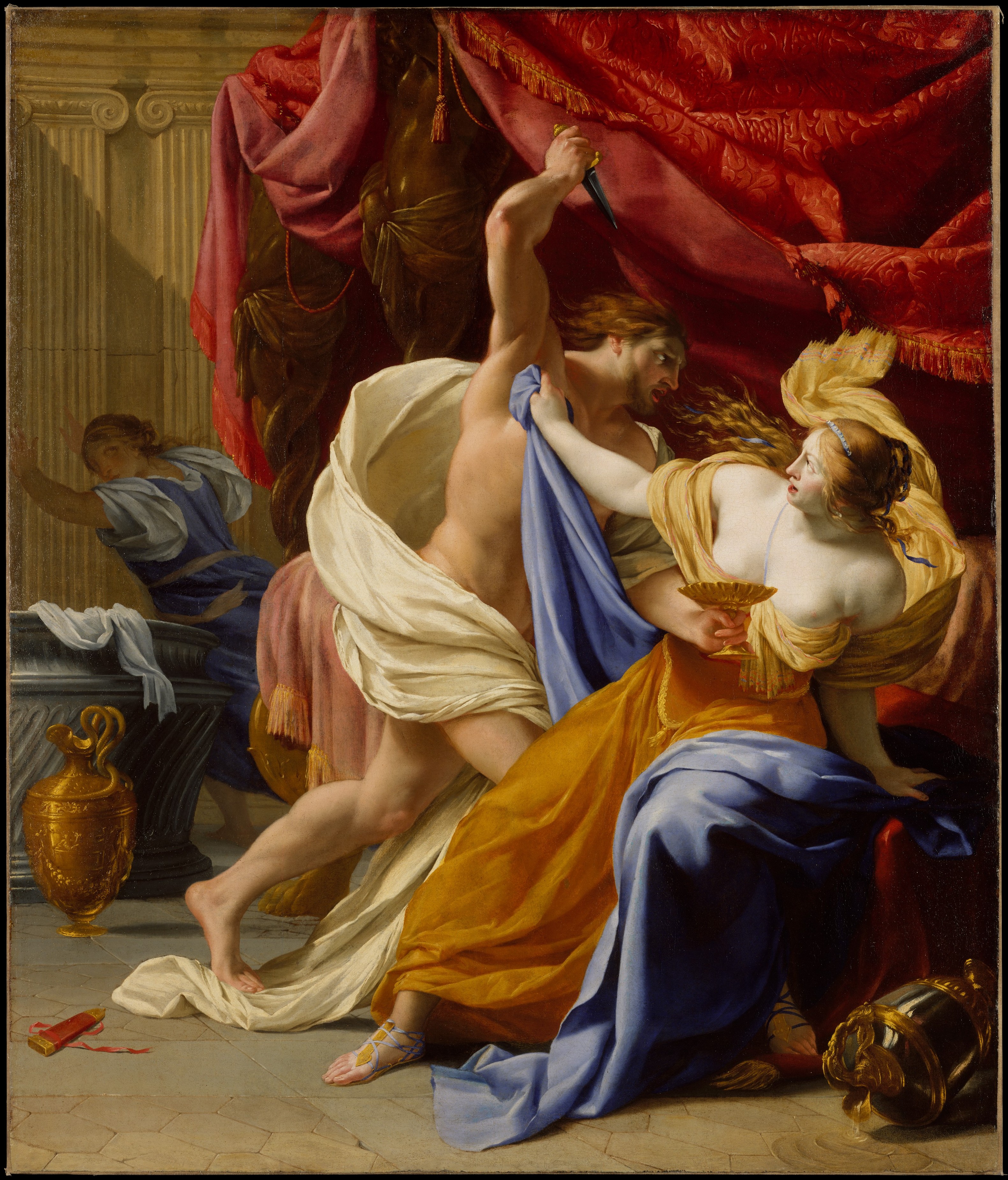
Eustache Le Sueur — "The Rape of Tamar" (probably ca. 1640), public domain
A personal tragedy, a public eruption.
Lucretia, a respected Roman matron, was assaulted by Sextus Tarquinius, the king’s son. She called her father and husband, revealed everything, and then—while they begged her to live—she killed herself on the spot. Blood on her dress, grief in the air.
The city explodes.
Her death was like a thunderclap. Lucius Junius Brutus brandished the bloody dagger and rallied the people. The outrage against royal arrogance boiled over—Romans stormed the palace, expelled the Tarquins, and swore never to have a king again.
The birth of the Republic.
Lucretia’s tragedy did what no army could. Outrage forged a new system: the Roman Republic, run not by kings but by elected officials. A single act of desperation reshaped the world’s greatest city.
Lucretia’s suicide, sparked by royal violence, became the match that set the Roman Revolution alight—toppling kings and founding the Republic.
