
Lucius Verus, the Emperor Who Loved the Games
He looks like a god on coins—curls shining, beard oiled, draped in purple. But behind the arena cheers, Lucius Verus spends entire weeks gambling in his private box, skipping the Senate for dinner parties with actors and gladiators.
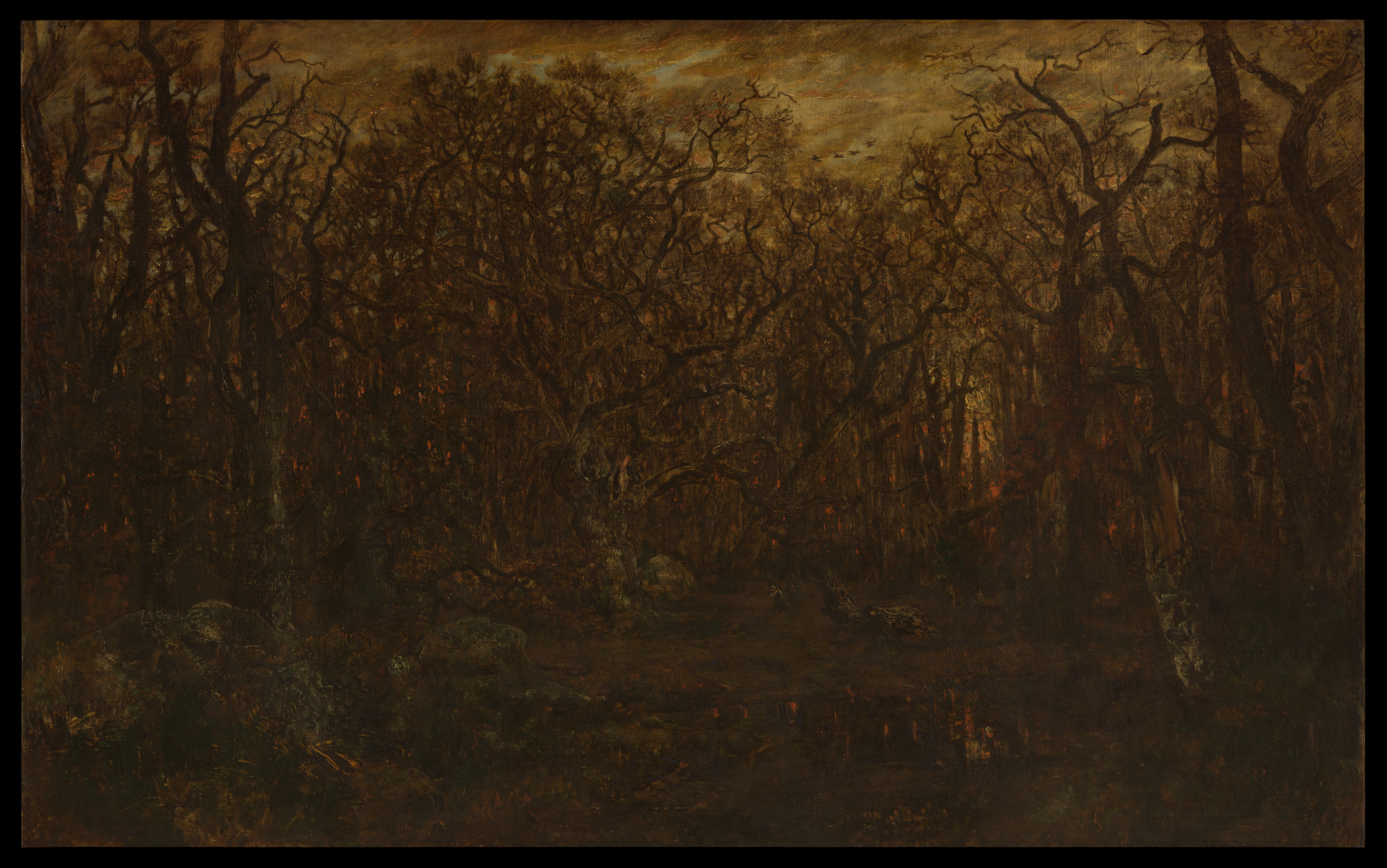
Théodore Rousseau — "The Forest in Winter at Sunset" (ca. 1846–67), public domain
The Emperor with Time to Waste
A golden youth, Lucius Verus spends hours at the games, splashing out on bets and banquets while the crowd roars for blood. Senators grumble as he tosses golden coins to the winners and trades jokes with gladiators. The grapevine whispers: the real empire is run by the man in the next room.
A Co-Emperor in Name Only
When war comes, Lucius rides to the front—then spends the campaign hunting and feasting, leaving command to seasoned generals. In Rome, he hosts actors and mimes at dinner while Marcus Aurelius works late. Public celebrations mask the reality: Lucius is there for the festival, not the fight.
Legacy of a Shadow King
Lucius dies young, luxuriously mourned. His statues gleam, his name is carved on victories won by other men—but even his contemporaries suspect he never held the reins. Rome remembers him as the emperor who let someone else do the worrying.
While co-emperor of Rome, Lucius Verus let Marcus Aurelius shoulder the empire’s burdens. Lucius played at heroism—rode out with the army, threw lavish feasts—but left the real decisions to others. His reign is a study in image over substance, and what happens when charisma covers for absence.
