
Livilla: Poison, Power, and Motherhood
Livilla wept at her son’s funeral—over a body she may have helped poison.
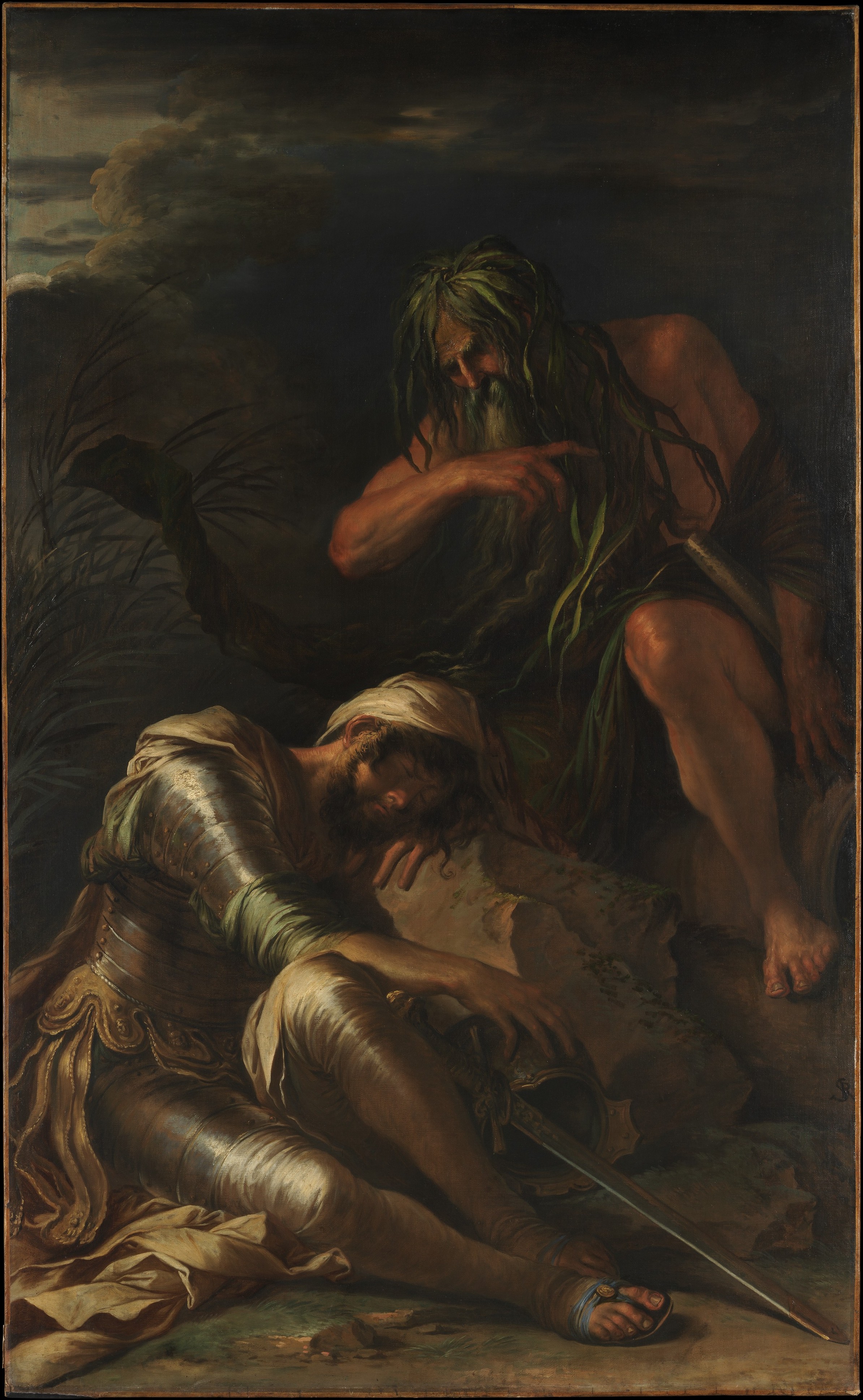
Salvator Rosa — "The Dream of Aeneas" (1660–65), public domain
Tears or Treason?
When Livilla’s young son died, she was seen sobbing at the funeral. Yet Roman historians like Tacitus whisper she played a part in his and her husband’s deaths—helping poison one, perhaps both, to advance her family’s interests at court.
Surviving Rome’s Deadliest Family
Livilla was born into the imperial house, surrounded by suspicion. Women in her position were watched, accused, sometimes destroyed. True or not, the rumors of poison reveal how power in Rome was often a matter of survival—and how even a mother’s grief could be suspect.
Legacy of Accusation
Livilla never escaped the shadow of intrigue. After her own death—allegedly by starvation ordered by her mother—her portraits were smashed, her name erased. But the stories lingered: in Rome, for ambitious women, history often handed out only rumors and revenge.
Tacitus claims Livilla, niece of Emperor Tiberius, took part in a plot to kill her own husband, Drusus the Younger, and possibly her child. The charges—conspiracy, murder by slow poison—were whispered in marble halls long after her own suspicious death. Was she a victim of Rome’s paranoia, or a player in its deadliest games? In Livilla’s story, the line blurs between survival, coercion, and ambition—especially for women in the imperial palace.
