
On This Day: Dies Nefastus, the Day Before the Kalends
June 29 in Rome: The calendar marks a dies nefastus. No lawsuits, no voting, no public business—just the uneasy quiet before the new month begins.
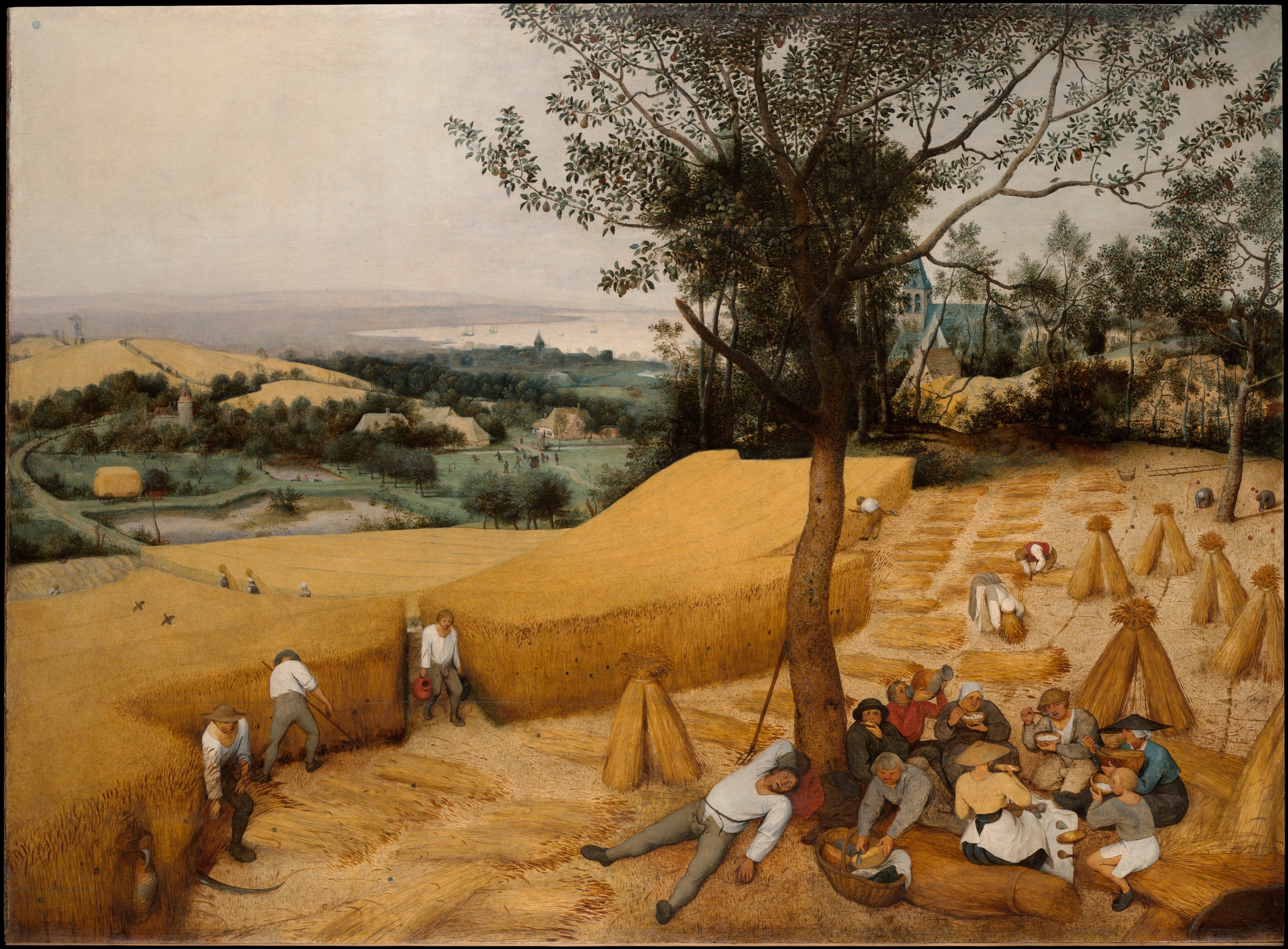
Pieter Bruegel the Elder — "The Harvesters" (1565), public domain
A hush falls over Rome.
On June 29, the Roman calendar read dies nefastus—one of those rare days when the wheels of government simply stopped. No lawsuits, no public assemblies, no votes. The temples loomed, doors shut, and even the loudest politicians were forced to keep their peace.
The gods hold the city in suspense.
A dies nefastus wasn’t just a bureaucratic pause—it was a day of caution. Priests believed certain days were taboo, unsafe for public action, and the day before the Kalends (the first of the month) was sacred. Even routine business waited. Tomorrow, everything—debts, deals, the noise of politics—would start again.
On a dies nefastus, Romans couldn’t conduct any state business. The gods (and the priests) demanded silence, as the calendar ticked toward the Kalends of July and a city’s debts came due.
