
Julia, Daughter of Augustus, Cast Out
Rome’s golden princess was banished to a barren island—her crime was pleasure, not politics.
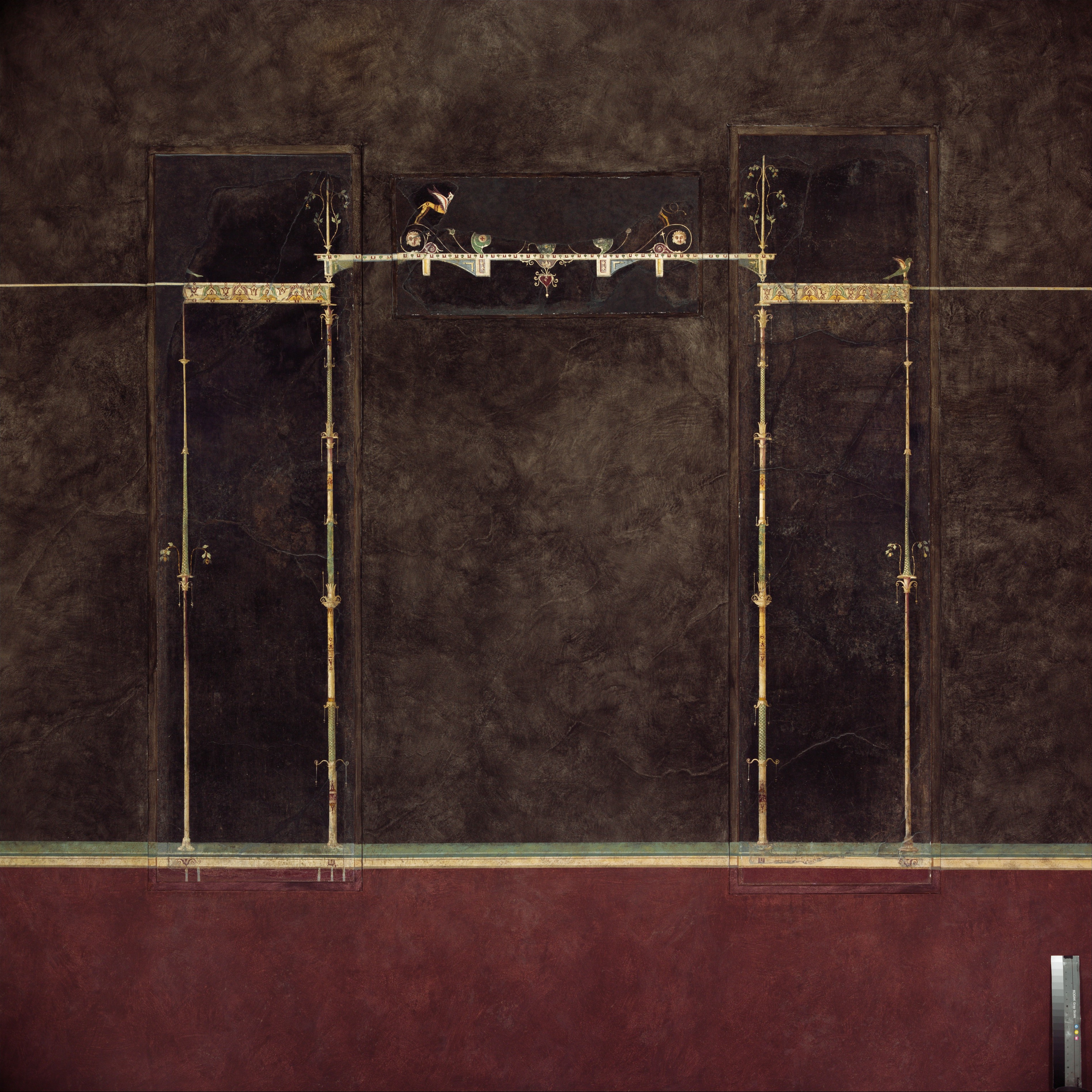
Unknown — "Wall painting on black ground: supports with entrablature, from the imperial villa at Boscotrecase" (last decade of the 1st century BCE), public domain
From palaces to prison.
Julia was Augustus’s only child, the symbol of future Rome. She glittered at the center of every festival, trailed by admirers and poets. But rumors churned—secret lovers, late-night parties, too much laughter for a daughter of Caesar.
Law bends, then snaps.
Augustus had pushed strict new laws: no adultery, family honor above all. When Julia’s scandals became public, her father didn’t just frown—he exiled her to a desolate island, with no wine, no men, and almost no visitors. The message stung more than the sentence: no one, not even family, was safe from the emperor’s virtue.
Exile echoes louder than death.
Julia survived, barely, as Rome hissed and whispered. The city that adored a princess learned to fear a father’s wrath. Power forgets nothing, and mercy rarely ran in imperial blood.
Julia, daughter of Augustus, was adored by the people and envied by the Senate. But when her father’s moral laws turned on his own family, exile followed. Rome learned that even blood could not shield you from the emperor’s new world.
