
Herophilus and the First Dissections
Surgeons in Alexandria sliced open living criminals—on royal orders, in daylight, for science.
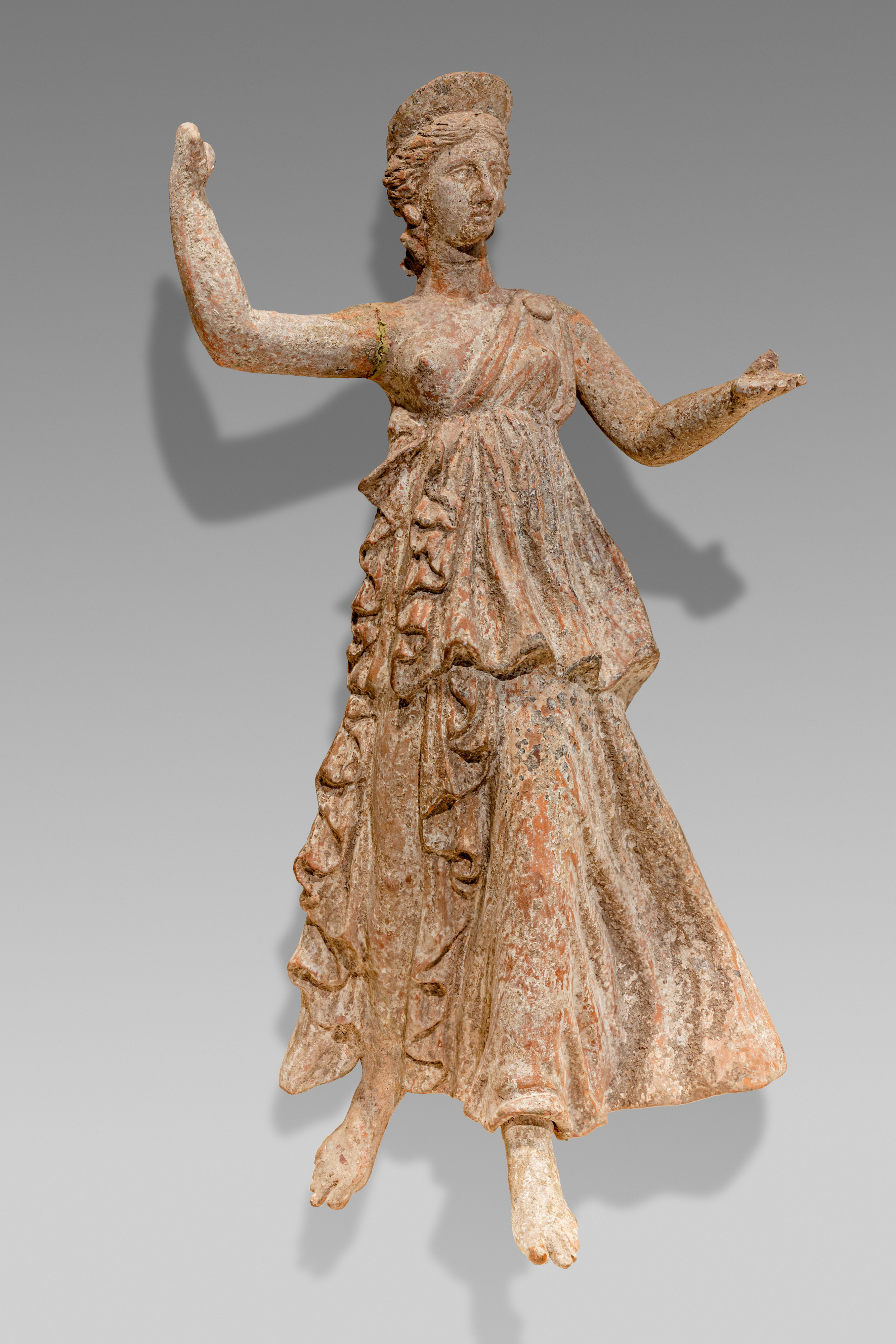
Unknown — "Terracotta statuette of a Nike flying" (early 3rd century BCE), public domain
Blood and Knowledge in Alexandria
In the great Museum of Alexandria, Herophilus unrolled a body on the marble table. Not just a corpse — sometimes criminals handed over by the Ptolemies, alive and under the knife. Scribes in the back took notes as he traced nerves with a stylus.
A Risk for Science
According to Galen and later writers, Herophilus and Erasistratus performed dissections openly—mapping the brain, heart, and optic nerves while the city buzzed outside. This was medicine on the edge: many Greeks were horrified, but royal support silenced protest.
Lost for Centuries
Europe would not see open human dissection again until the Renaissance. Herophilus’ discoveries survived only in fragments—his reputation tangled in legend and outrage. A leap forward, then a long, uneasy silence.
Herophilus dared what almost no one else would: public dissection, even vivisection, with the king’s blessing. He mapped nerves, veins, and organs centuries before anyone in Europe would dare try again.
