
Greek Temples: Not Congregational Spaces
You picture ancient Greeks crowding into massive temples, chanting prayers beneath giant columns. But ordinary worshippers almost never set foot inside.
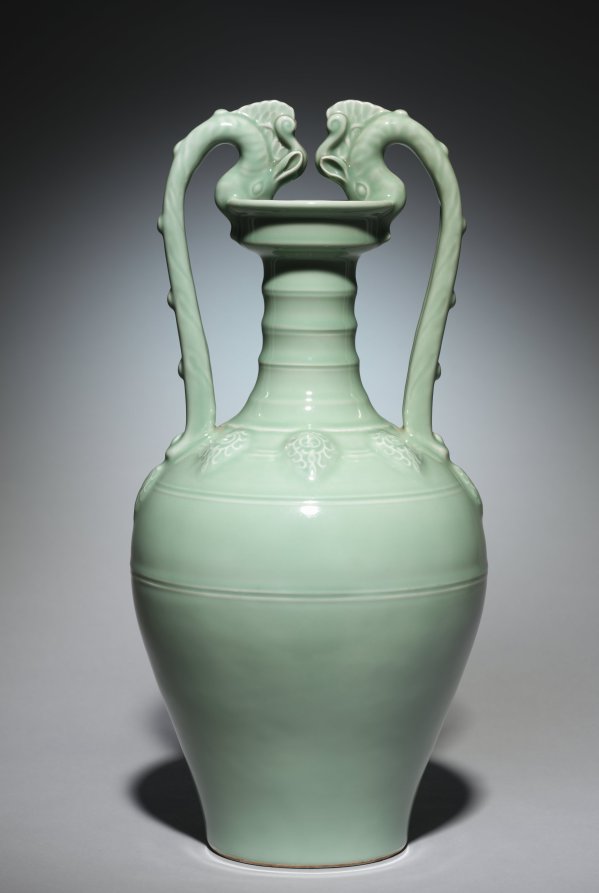
Unknown — "Amphora Vase" (1723–35), CC0
Crowds in the Temple? Not So Fast.
Every movie and textbook shows Greeks packed into marble temples—candles, prayers, the whole city fitting between Doric columns. In reality, temples were virtually empty of people. The public stayed outside.
The Temple Was for the God Alone.
The temple’s main chamber held the cult statue—sometimes gold, sometimes ivory, always imposing. Priests and a few officials entered for ritual care, but regular worshippers performed sacrifices, feasts, and festivals outside on temple grounds. The open altar was the beating heart of Greek religion.
Why the Myth Lingers.
Modern churches and synagogues are gathering spaces, so we assume Greek temples worked the same way. But for the Greeks, the temple was a divine house, shut to crowds. The real spectacle—the rituals, the music—happened in the sunlight, for all to see.
Greek temples were homes for the gods, not places for people to gather. The sacred statue stood at the center—offerings and rituals happened outside, under the open sky.
