
Ancient Greek Refrigerators: The Cooling Power of Porous Pots
Walk into an Athenian kitchen on a sticky summer day and you’ll spot clay water jars, sweating cold beads down their sides.
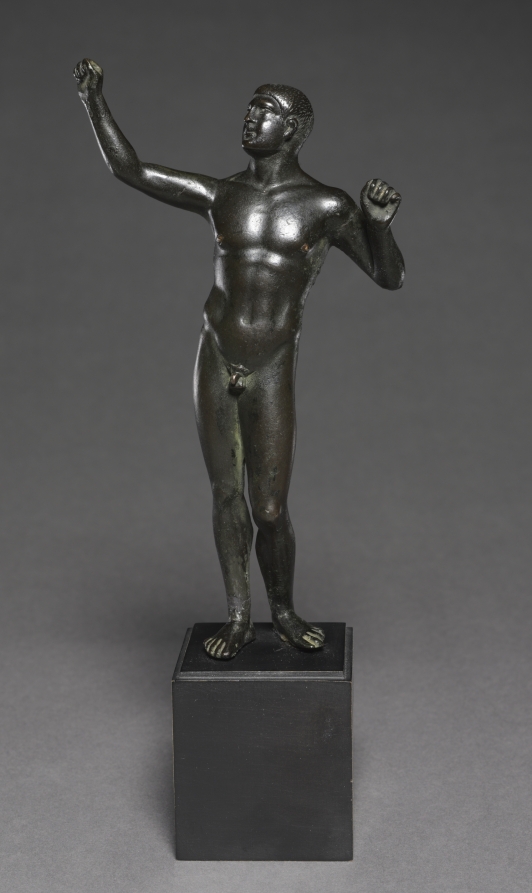
Unknown — "Boxer" (100–30 BCE), CC0
Porous Pots, Cool Water
Walk into an Athenian kitchen on a sticky summer day and you’ll spot clay water jars, sweating cold beads down their sides.
Evaporation: The Ancient Cooling Trick
Greeks kept their water cold using porous clay pots. As water seeped through and evaporated, it drew out heat, leaving the water inside refreshingly cool. Archaeologists have found these jars—still gritty, still unglazed—all across the Greek world.
Greeks didn’t need ice to cool their drinks. They used porous earthenware pots called ‘pithoi’ or ‘amphorae’—left unglazed so water slowly seeped out and evaporated. That evaporation pulled heat away, chilling the contents by several degrees. Archaeological finds from Athens to Sicily prove the practice was widespread—2,400 years before the electric fridge.
