
Greek Surgeons Used Metal Bone Saws
A Greek surgeon once sawed through broken bones using a toothed iron blade—hundreds of years before the Romans caught up.
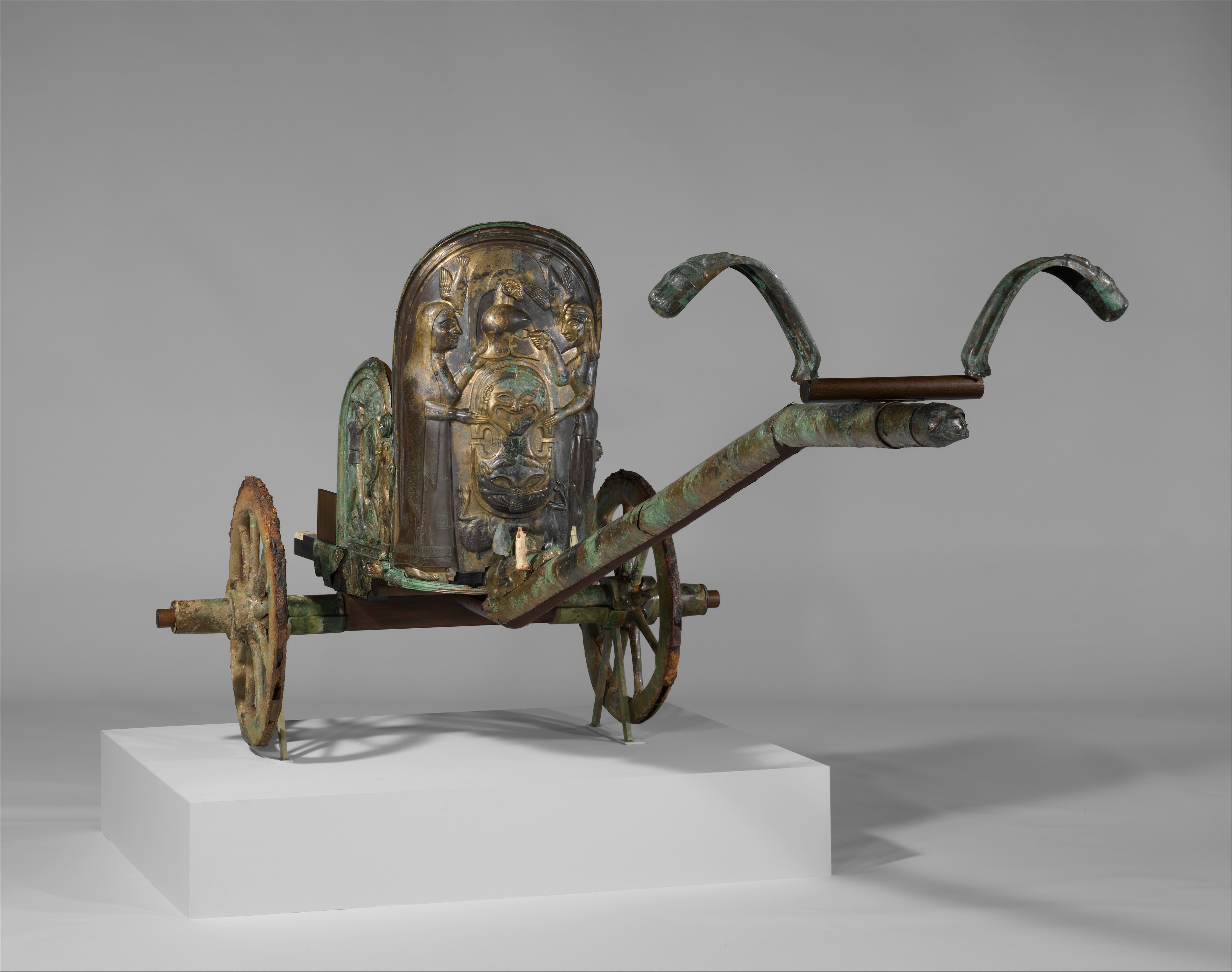
Unknown — "Bronze chariot inlaid with ivory" (2nd quarter of the 6th century BCE), public domain
Bone Saws in Fifth-Century Greece
A Greek doctor in linen stands over a patient—iron bone saw in one hand, bronze forceps in the other. Surgery in ancient Athens wasn’t just theory. They cut, scraped, and stitched real wounds.
Archaeology and Texts Tell the Tale
Archaeologists have dug up folding surgical kits from classical tombs: tiny saws, scalpels, hooks. Hippocrates described scraping skulls after head injuries, draining abscesses, and even amputating limbs—centuries before the Romans refined the tools. Survival must have felt like a miracle.
Archaeologists have uncovered medical kits from ancient Greece holding hand-forged bone saws, bronze scalpels, and forceps. Texts by Hippocrates and later Galen describe amputations, draining abscesses, even scraping skulls after head wounds. Surgery was gruesome, but it worked—survivors sometimes walked away on wooden prosthetics. Next time you shudder at the dentist, imagine a doctor in sandals grinding away at your shin.
