
Athenians Heated Rooms with Incense Burners
Step into a chilly Athenian house and the first thing you smell is heavy, sweet smoke—myrrh, not wood.
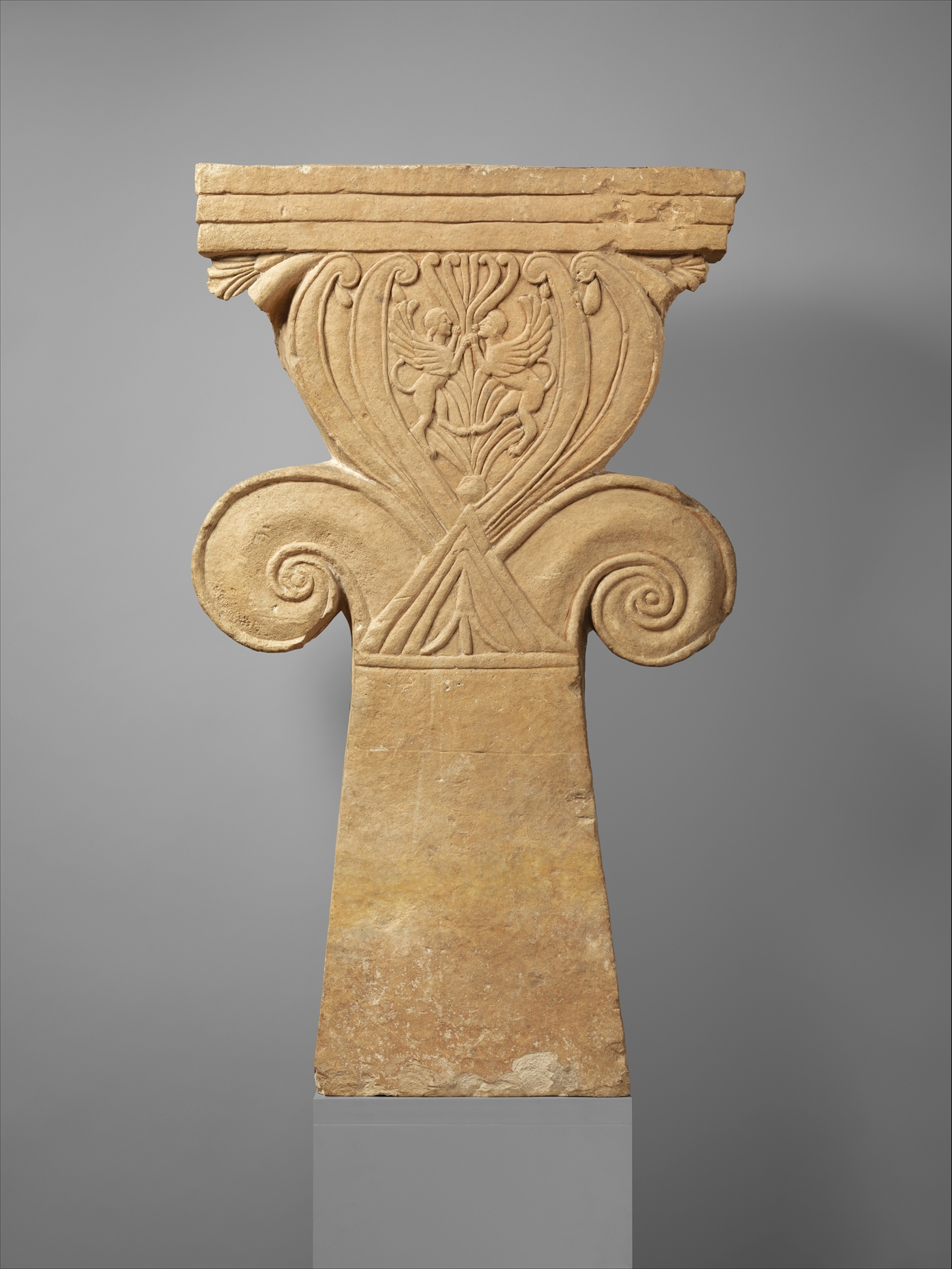
Unknown — "Limestone funerary stele (shaft) with a "Cypriot capital"" (5th century BCE), public domain
Warmth by Smoke and Scent
Step into a chilly Athenian house and the first thing you smell is heavy, sweet smoke—myrrh, not wood. Heat comes from a low clay brazier, glowing in the center of the room.
Charcoal, Incense, and Winter Air
Most Greek homes had no fireplaces. Families burned charcoal in shallow bowls and sprinkled incense to mask the fumes. For the wealthy, winter meant myrrh and cinnamon swirling through every room.
Most Greek homes had no fireplaces. Instead, families gathered around ceramic braziers—shallow clay bowls filled with charcoal. To mask the reek of smoke and fuel, Athenians sprinkled incense onto the coals. In richer homes, myrrh, frankincense, and even cinnamon turned stale air into a heady cloud. When winter hit, heat, scent, and status all came from the same fire.
