
Salted Fish for Breakfast: A Greek Staple
A wealthy Athenian breakfast might start with a chunk of salted fish, hard as leather, torn between the teeth and chased down with watered wine.
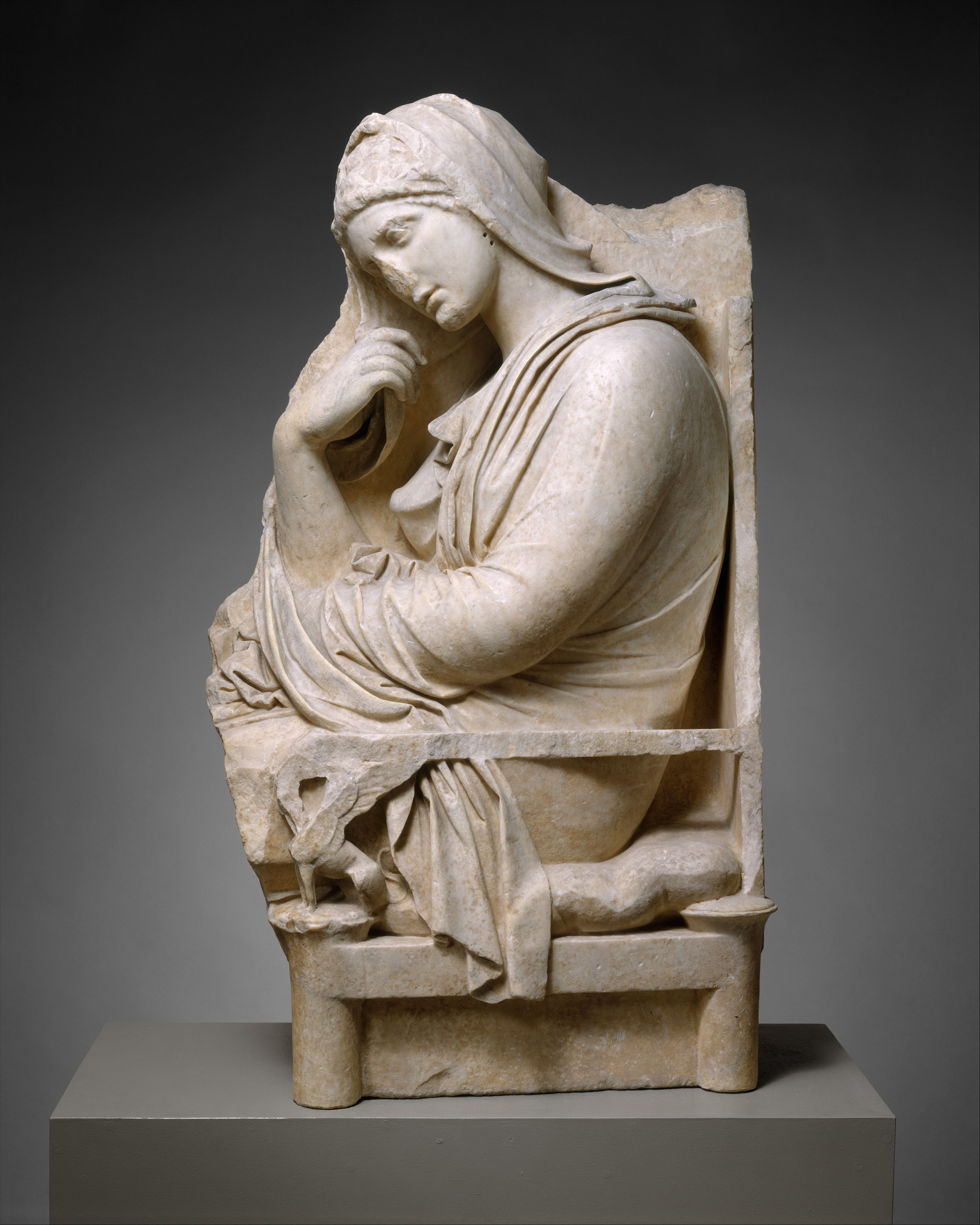
Unknown — "Marble stele (grave marker) of a woman" (mid-4th century BCE), public domain
A Salty Start to the Day
A wealthy Athenian breakfast might start with a chunk of salted fish, hard as leather, torn between the teeth and chased down with watered wine. Fresh bread was a luxury, but pickled fish was a daily staple.
Fish Bones Tell the Story
Archaeological digs in Athens have found piles of fish bones—mackerel, mullet, even anchovies—discarded in home courtyards. Salted fish was cheap, portable, and popular. Some prized varieties came all the way from the Black Sea, tightly packed in brine.
How Far Would You Go for Good Fish?
Greek playwrights joked about shoppers splurging on exotic salt fish as a status symbol. Two thousand years later, the bones tell the same story: the Greek appetite for preserved seafood was real—and relentless.
Archaeological digs in Athens have turned up heaps of fish bones—pickled mackerel, tough grey mullet, and even anchovies—tossed alongside broken cups and olive pits in household rubbish. Ancient plays and market lists name salt fish as a daily treat: cheap, portable, and sold from open barrels in the agora. If you had money, you bought it imported from the Black Sea, packed in brine until your lips tingled.
